





An Experience Worth Paying For
The fundamental question for studios and theatre owners today is no longer just 'is this movie good?' but 'is this movie a theatrical event?'. While overall cinema attendance remains below pre-pandemic levels, box office revenues are showing a strong
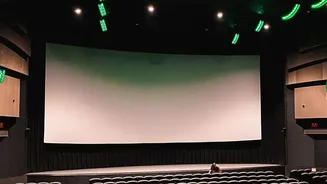
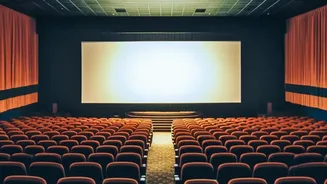
recovery in 2026, largely driven by a handful of massive, must-see-on-the-big-screen films. It's a trend that highlights a major shift in audience behaviour. Viewers have become more selective. The convenience of streaming has claimed the mid-budget drama, the romantic comedy, and the quirky indie film—genres that don't necessarily lose their magic on a smaller screen. What's left for the multiplex is the promise of an experience: sound you can feel, a screen that fills your entire field of vision, and a story told with a sense of scale and grandeur.
The Power of Premium Formats
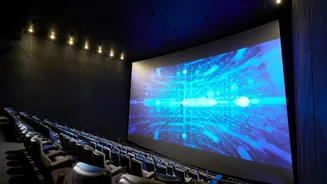
A key part of this theatrical renaissance is the rise of Premium Large Formats (PLFs). Formats like IMAX, Dolby Cinema, and 4DX are no longer a niche offering but a primary driver of box office revenue. Recent blockbusters like 'The Odyssey' and 'Spider-Man: Brand New Day' have seen a huge portion of their earnings come from these premium screens. For 'The Odyssey', enhanced formats accounted for a staggering 41% of its global box office haul. This isn't just about a bigger screen; it's about a more immersive experience that audiences are willing to pay a premium for. These formats are marketed as an integral part of the film's identity, with directors like Christopher Nolan shooting specifically for IMAX to create a unique visual event. The success of these formats proves that when a movie offers a tangible upgrade over the home experience, audiences respond enthusiastically.
The Unmatched Communal Magic
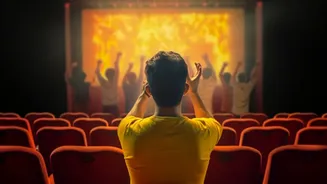
Beyond the technical wizardry, spectacle films tap into something more fundamental: the magic of a shared experience. Watching a blockbuster in a packed theatre creates a collective energy that streaming can't duplicate. The shared gasps during a shocking twist, the communal laughter at a well-timed joke, and the round of applause as the credits roll are all part of the event. This is particularly true for genres like horror and epic action, where the audience's reaction becomes part of the fun. It transforms a passive viewing into an active, communal event, creating a sense of urgency and cultural relevance. You go to the theatre not just to see the movie, but to be part of the conversation happening around it.
The New Economics of Cinema
This event-driven model has reshaped the financial landscape of Hollywood. Studios are increasingly focusing their theatrical efforts on a smaller number of high-budget, high-spectacle tent-pole films designed for a global audience. These are the films that can justify enormous marketing spends and command premium ticket prices. The strategy is clear: go big or go home (to streaming). While this has created a more polarized industry—with fewer mid-budget films getting a theatrical shot—it has also provided a lifeline for multiplexes. Theatrical chains have adapted, investing more in PLF screens and creating environments that feel more like a special occasion than a casual night out. Action films, in particular, dominated the box office in 2024 with a 31.5% share, underscoring this trend.