


The Habit Hiding in Plain Sight
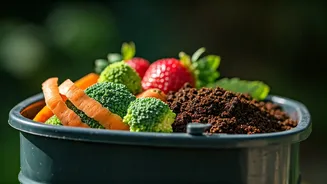
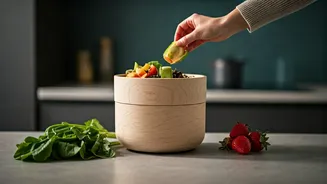
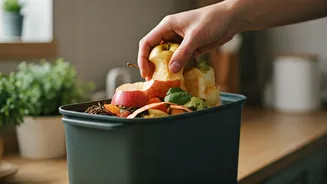
The habit is composting. Specifically, diverting your kitchen’s organic waste—vegetable peels, fruit cores, tea leaves, and coffee grounds—from your dustbin into a simple compost system. Every day, kitchens across India produce a significant amount of this
'wet waste'. When we throw it into the regular trash, it gets mixed with plastic and other non-biodegradable items, sealed in plastic bags, and carted off to a landfill. This simple act of separation is where a powerful environmental change begins. It’s not about buying fancy equipment or overhauling your life; it’s about rethinking what 'waste' truly is.
Why This Simple Act Matters So Much
When organic waste like your leftover sabzi peels and fruit ends up in a landfill, it gets buried under layers of other trash. Deprived of oxygen, it decomposes anaerobically. This process releases methane, a potent greenhouse gas that is over 25 times more effective at trapping heat in the atmosphere than carbon dioxide over a 100-year period. Landfills are a major source of man-made methane emissions. By composting at home, you introduce oxygen into the decomposition process. This aerobic decomposition produces carbon dioxide, water, and rich organic matter—but crucially, it avoids generating large amounts of methane. You are effectively stopping a mini-methane factory that would otherwise operate in your local landfill.
How to Start Composting for Free
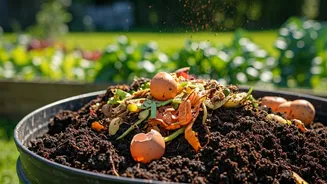
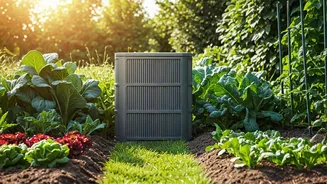
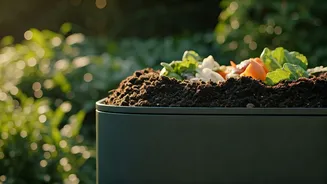
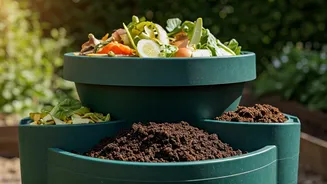
You don't need to buy a fancy, multi-tiered composting bin to start. The simplest method requires nothing but a small patch of soil or a large pot. 1. The Pot Method: Take any large terracotta pot (matka) or an old bucket. Drill a few holes around the sides and one at the bottom for aeration and drainage. Place it in a corner of your balcony or terrace. 2. Start Your Layers: Begin with a layer of 'browns'—dried leaves, small twigs, sawdust, or torn-up cardboard. This is your carbon source. Then, add your 'greens'—kitchen scraps like vegetable peels, fruit waste, and coffee grounds. This is your nitrogen source. 3. Maintain the Pile: Continue alternating layers of browns and greens. Keep the pile moist, like a wrung-out sponge, but not waterlogged. Every few days, use a stick or a small rake to turn the mixture, introducing air. That’s it. You have a functioning compost system. For those with a small garden, a simple pile in a corner, following the same layering principle, works just as well.
Your Kitchen's Green and Brown List
Knowing what to add is key to successful, odour-free composting. For a typical Indian kitchen, the list is straightforward. YES, add these (Greens): * Vegetable peels (potato, carrot, cucumber, etc.) * Fruit scraps and peels (banana, apple, mango) * Tea leaves and coffee grounds * Eggshells (crushed) * Leftover rice or dal (in small amounts) * Wilted flowers from your puja YES, add these (Browns): * Dried leaves and grass clippings * Sawdust or wood chips * Shredded newspaper or cardboard (not glossy) * Coconut husks NO, keep these out: * Meat, fish, or bones (attracts pests) * Dairy products (cheese, paneer, yogurt) * Oily or greasy foods (disrupts the process) * Onion and citrus peels (use sparingly as they can make the compost too acidic)
From Kitchen Waste to 'Black Gold'
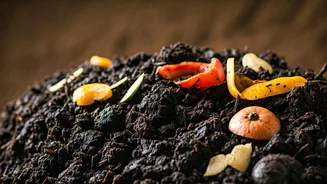
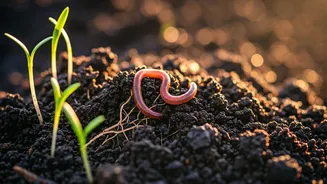
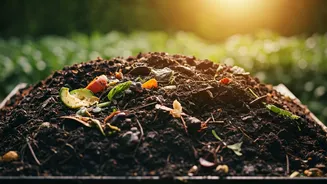
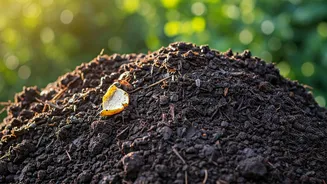
After a few months, the contents of your pot or pile will transform into a dark, crumbly, soil-like material. This is compost, often called 'black gold' by gardeners. It’s a nutrient-rich soil amendment that you’ve created for free. What can you do with it? Mix it into the soil of your potted plants on the balcony to give them a powerful nutrient boost. If you have a garden, work it into your flowerbeds or vegetable patches. Don't have plants? You’ll be surprised how many neighbours or local community gardens would be thrilled to take your homemade compost off your hands. You’re not just reducing waste; you’re creating a valuable resource that helps grow more food and beautify your surroundings.