



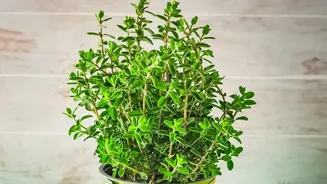
More Than Just a Green Corner
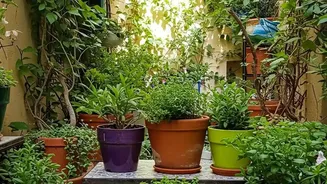
The trend has moved beyond simply buying a plant and finding a spare corner. Today, thoughtful placement is recognised for its power to influence a room's mood, air quality, and overall energy. This approach is rooted in principles of biophilic design,
which suggests that humans have an innate need to connect with nature. Integrating plants into our living spaces can reduce stress, boost creativity, and promote a sense of calm. Rather than being a mere accessory, a well-placed plant becomes an active participant in the home's environment, turning a simple apartment into a restorative sanctuary. It’s a shift from decorative afterthoughts to intentional, wellness-focused design.
Follow the Light
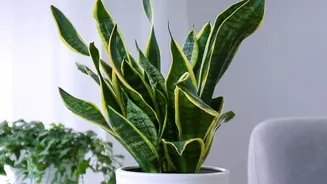
The single most important factor in a plant's health is light. Before you even choose a plant, observe how sunlight moves through your apartment. South-facing windows typically offer bright, direct light, ideal for sun-lovers like succulents, crotons, and cacti. East-facing windows provide gentle morning sun, perfect for plants that prefer medium light, such as ferns and peace lilies. North-facing windows offer the least light, making them suitable for low-light tolerant species like the ZZ plant, snake plant, and pothos. West-facing windows get strong afternoon sun, which can scorch delicate leaves, so it's best to place plants a few feet away. Matching the plant to the light it needs is the first step to ensuring it not only survives but thrives.
Designing with Nature
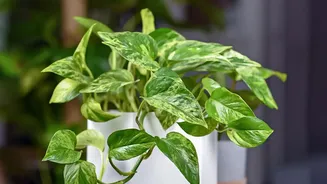
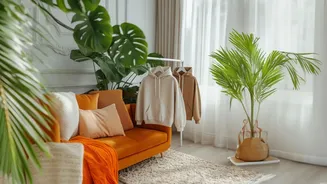
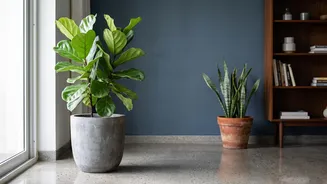
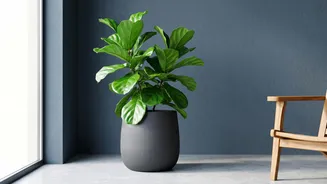
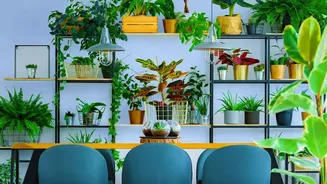
Once you understand your light conditions, you can start using plants as design tools. To create a focal point, use a single large plant like a fiddle leaf fig or a monstera. For smaller spaces, think vertically. Wall-mounted planters, hanging pots, and tall, narrow plants like the snake plant draw the eye upward and save precious floor space. Grouping plants of varying heights, textures, and leaf shapes creates a lush, 'jungle' effect and can even help them grow better by creating a humid microenvironment. Trailing plants like pothos (money plant) are perfect for softening the edges of shelves and cabinets, adding a cascading layer of green.
The Right Plant for the Right Room
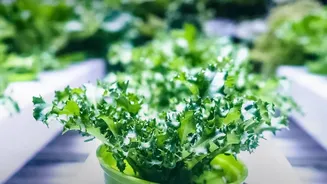
Different rooms have different functions and environments, which should guide your plant choices. The kitchen, with its fluctuating temperatures and humidity, is a great place for a small herb garden on a windowsill; fresh coriander, mint, and basil can be both beautiful and useful. The bathroom's high humidity is a dream for moisture-loving plants like ferns, bamboo, and orchids. For the bedroom, consider air-purifying plants like the snake plant and peace lily, which release oxygen at night and can help improve air quality for a better sleep. Aloe vera is another excellent choice, known for its air-cleaning properties and fitting perfectly on a small desk or side table.
A Nod to Vastu Shastra
For many Indian homes, Vastu Shastra offers another layer of guidance for plant placement to enhance positive energy. According to Vastu principles, most indoor plants are best placed in the north or east directions, which are associated with growth and new beginnings. The sacred Tulsi (Holy Basil) is highly recommended for the north, northeast, or east, as it is believed to purify the space and bring positive vibrations. Money plants are often placed in the southeast corner to attract wealth, while thorny plants like cacti are generally avoided indoors as they are thought to create tension. Bonsai plants are also typically discouraged indoors, as they are seen to symbolise stunted growth.