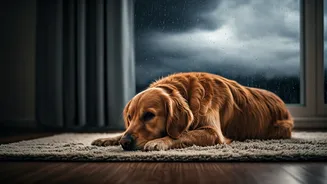



The Hidden Dangers of Damp Paws
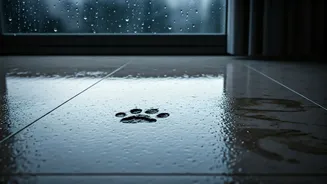
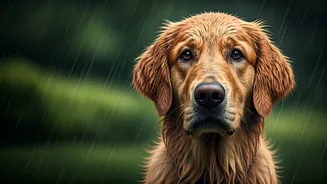
While a splash in a puddle might look like fun, the constant dampness of the monsoon season creates a perfect breeding ground for bacteria and fungi. Your dog's paw pads, with their folds and the fur between them, can trap moisture for hours. This prolonged
wetness softens the skin, making it vulnerable to cuts and abrasions from rough surfaces. More importantly, it creates a warm, humid environment where yeast and bacterial infections, like pododermatitis, can thrive. Puddles in urban and rural areas can also contain contaminants, from chemical runoff to bacteria, which can cause severe irritation or infection if they get into a small cut on the paw.
Your Post-Walk Paw Care Ritual
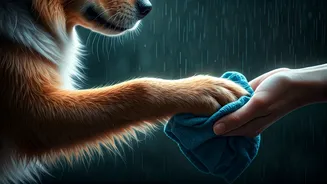
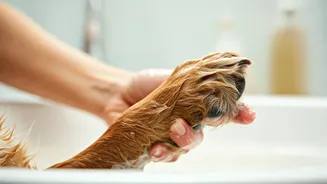
The single most important habit to adopt during the monsoon is a consistent paw-cleaning routine after every single walk. This isn't just about preventing muddy footprints in the house; it's a crucial health measure. First, use a gentle, pet-safe cleanser or simply lukewarm water to wash away all the mud and grime. Pay special attention to the area between the toes. Avoid using harsh human soaps or antiseptic liquids, which can strip natural oils and cause dryness and cracking. The second step is even more critical: drying. Use a soft, absorbent towel to dry the paws thoroughly. If your dog is comfortable with it, a hairdryer on a low, cool setting can be used to ensure the fur between the pads is completely dry. Leaving them damp is an open invitation for fungal infections.
How to Spot Signs of Trouble
Dogs are often stoic, but their behaviour can signal discomfort. Be vigilant for signs of paw problems. One of the most common indicators is excessive licking or chewing of the paws. This is a clear sign of irritation or itchiness. When you inspect their paws, look for redness, swelling, or any unusual discharge between the pads. A funky, yeasty odour is another tell-tale sign of a fungal infection. You might also notice your dog limping, favouring one leg, or being hesitant to walk or have their paws touched. If you spot any of these symptoms, especially if they persist, it's a sign that simple cleaning is not enough and professional advice may be needed.
Building a Monsoon Paw Kit
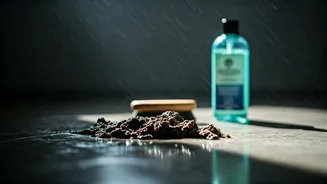
Being prepared makes the routine easier. Assemble a small kit and keep it near your entryway. It should include: a designated 'paw towel' that is soft and absorbent; a gentle, vet-approved paw cleanser or shampoo; and a paw balm or butter. Paw balms, often made with ingredients like shea butter and coconut oil, are excellent for restoring moisture and creating a light barrier against irritants. They can help soothe minor cracks and prevent the paw pads from becoming too dry from frequent washing. Another useful addition is a pair of pet-friendly clippers to keep their nails trimmed. Long nails can force the paw to spread, increasing the surface area exposed to dirty water and making it harder to clean effectively.
Preventative Measures for Healthier Paws
Beyond cleaning, a few proactive steps can make a big difference. If your dog has long fur, consider getting a 'sanitary trim' for the hair around and between their paw pads. This simple grooming step drastically reduces the amount of moisture and mud that gets trapped, making cleaning and drying much faster and more effective. When possible, try to steer your dog away from the deepest puddles or areas with stagnant water during your walks. After returning home, this small bit of prevention will make your cleaning job that much easier and safer for your pet. For dogs that are tolerant, waterproof dog booties can offer the ultimate protection, keeping paws completely clean and dry, though not all dogs will accept them.