






Our Digital Burnout Crisis
Let’s be honest: our brains are tired. We live in an era of 'polychronicity'—juggling work emails, family WhatsApp groups, breaking news alerts, and endless social media scrolls, often simultaneously. This constant digital stimulation keeps our nervous
systems in a low-grade state of fight-or-flight, flooding our bodies with the stress hormone cortisol. Our attention spans are fractured, and the pressure to be constantly available and productive is immense. A nature retreat is no longer just a holiday; it’s a form of rebellion against this 'always-on' culture. It’s one of the few socially acceptable ways to declare yourself unavailable. By physically removing yourself from the signals of Wi-Fi and cellular networks, you’re not just taking a break from work; you’re taking a break from the relentless demands on your attention that define modern life. This act of 'unplugging' provides a profound mental reset that a typical city-based vacation, still tethered to the digital world, simply cannot offer.
The Science of Natural Calm
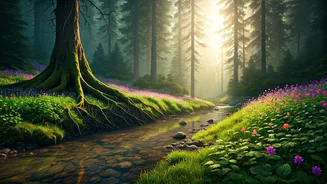
The feeling of peace you get in nature isn't just in your head—it’s in your biology. Scientists have a name for our innate tendency to seek connections with nature: 'biophilia'. Research overwhelmingly supports its benefits. Studies published in journals like *Frontiers in Psychology* show that spending just 20 minutes in a natural setting can significantly lower cortisol levels. The Japanese practice of *shinrin-yoku*, or 'forest bathing', has been proven to reduce blood pressure, improve concentration, and boost immune function. Why? Nature engages our senses in a gentle, restorative way. The soft fascination of watching leaves rustle or listening to a flowing stream allows our directed attention—the kind we use for work and problem-solving—to rest and recover. This is explained by Attention Restoration Theory, which posits that natural environments help replenish our cognitive resources, making us feel more focused and less irritable when we return to our daily lives.
A Post-Pandemic Reset in Priorities
The global pandemic was a powerful, collective moment of reflection. Faced with lockdowns and health anxieties, many people reassessed what truly matters. The pursuit of wellness shifted from a luxury to a necessity. This has profoundly impacted travel trends in India and around the world. The desire for crowded tourist hotspots has been replaced by a craving for space, safety, and meaningful experiences. Domestic travel saw a huge surge, with people discovering the natural beauty within their own country. The focus moved from a checklist of sights to see ('doing') towards an immersive experience ('being'). We want to breathe clean air, eat fresh food, and reconnect with ourselves on a deeper level. A nature retreat perfectly captures this new travel ethos. It’s not about extravagance; it’s about authenticity, well-being, and finding a sense of grounding in a world that feels increasingly uncertain.
The Evolution of India's Escapes
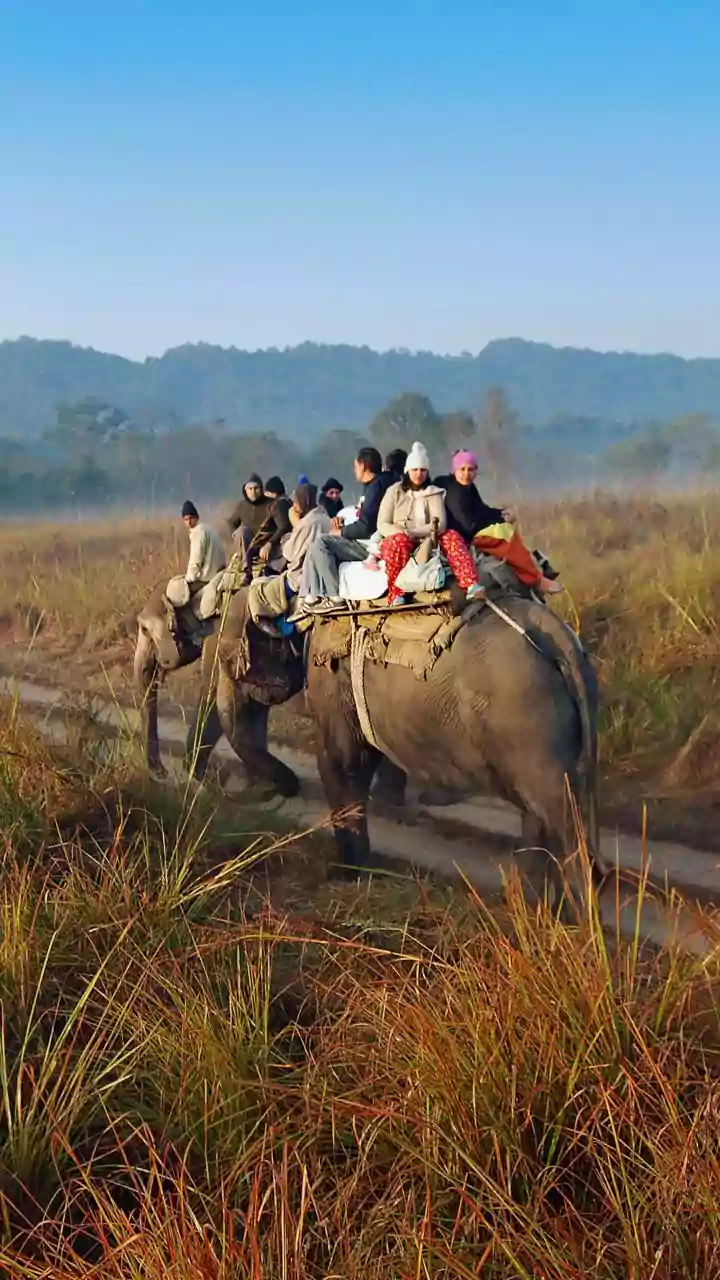
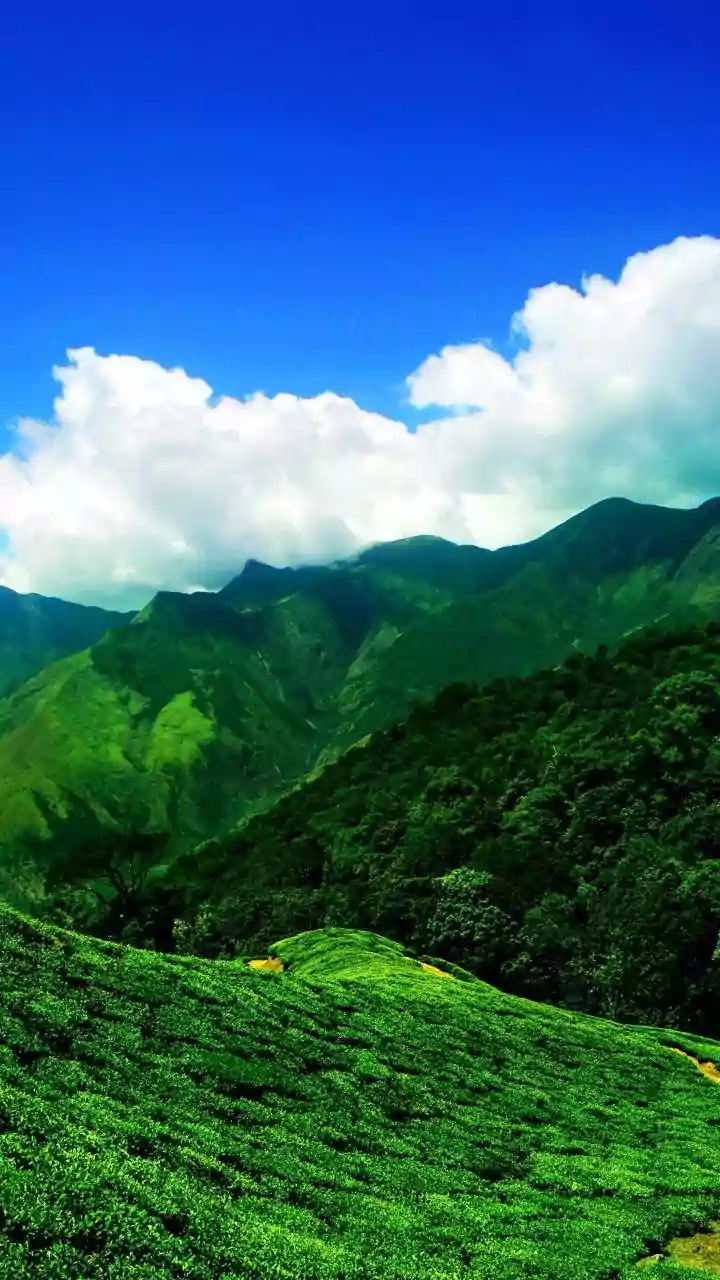
The concept of a 'retreat' in India is also changing. For a long time, it was associated either with rugged, spartan ashrams or exclusive, high-end spa resorts. Today, a vibrant middle ground has emerged, making nature getaways more accessible and appealing than ever. We now have a growing number of boutique eco-lodges, charming farm stays, and wellness-focused homestays across the country—from the Himalayan foothills to the coffee plantations of Coorg and the tranquil backwaters of Kerala. These places offer a perfect blend: the comfort and amenities we desire, combined with a genuine connection to the local environment. They provide curated experiences like guided nature walks, organic farming sessions, and yoga with a view, allowing guests to engage with nature without sacrificing comfort. This evolution means that a restorative escape is no longer an extreme choice between austerity and luxury, but a viable, attractive option for a much wider range of people seeking solace and rejuvenation.