






What Exactly Is the Skin Barrier?
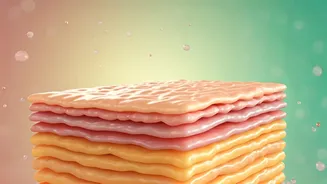
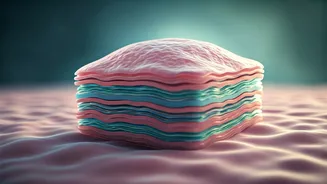
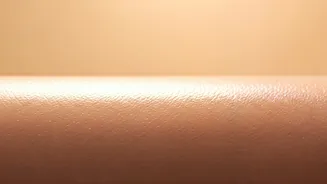
Think of your skin barrier as a security guard for your body. Scientifically known as the stratum corneum, it’s the outermost layer of your skin. The best way to picture it is like a brick wall. The “bricks” are your tough skin cells (corneocytes), and
the “mortar” holding them together is a mix of natural fats like ceramides, cholesterol, and fatty acids. This wall has two crucial jobs: to keep the good stuff in (like water, preventing dehydration) and the bad stuff out (like pollution, irritants, and bacteria). When this barrier is strong and healthy, your skin looks and feels smooth, calm, and hydrated. When it’s weak or damaged, problems begin to surface.
Signs Your Skin Barrier Is Damaged
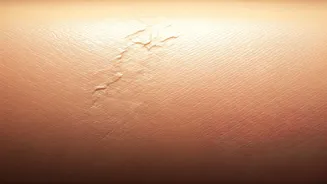
Your skin is excellent at sending distress signals. Ignoring them can lead to chronic issues, so it’s important to learn its language. A compromised skin barrier often manifests in ways that are hard to miss. You might experience persistent dryness, flakiness, or a feeling of tightness, even after moisturising. Redness, inflammation, and increased sensitivity are also classic signs; products that never bothered you before might suddenly start to sting or burn. Many people also notice a rise in acne breakouts or rough, textured patches. If your skin feels constantly irritated, itchy, or just looks dull and lacklustre, it's a strong indication that your barrier needs some urgent TLC.
Common Culprits Behind the Damage
Often, we are the biggest threat to our own skin barrier. One of the most common culprits is over-exfoliation. Using harsh physical scrubs or potent chemical exfoliants (like AHAs and BHAs) too frequently can strip away the essential lipids holding your skin cells together. Similarly, harsh, stripping cleansers that leave your skin feeling “squeaky clean” are actually removing your natural protective oils. Environmental factors, especially relevant in India, also play a huge role. Constant exposure to sun without adequate SPF, high levels of pollution, and even extreme humidity or dry indoor air conditioning can weaken your skin’s defences. Other factors include washing your face with very hot water, stress, lack of sleep, and introducing too many new, active products into your routine at once.
How to Repair and Protect Your Barrier
The good news is that the skin barrier can be repaired with a gentle, consistent approach. The first step is to simplify. Pare back your routine to the essentials: a gentle cleanser, a barrier-supporting moisturiser, and a broad-spectrum sunscreen. Stop using all active ingredients like retinoids, vitamin C, and exfoliating acids until your skin feels calm again. When choosing products, look for key ingredients that mimic the natural components of your skin barrier. Ceramides are non-negotiable, as they are a fundamental part of the “mortar.” Niacinamide is a powerhouse for reducing inflammation and strengthening the barrier. Hyaluronic acid helps to draw in moisture, while ingredients like squalane and fatty acids help to replenish lost oils. Be patient; it can take anywhere from two to six weeks for your barrier to fully recover.