







From Personal Clutter to Shared Resources
A quiet but powerful revolution is taking root in the corridors of urban housing societies across India. It’s called a 'Library of Things' or, more commonly, a tool-sharing library. The concept is simple and mirrors a traditional book library, but instead
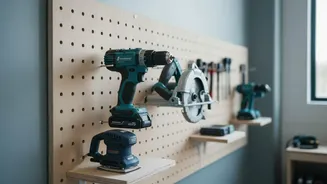
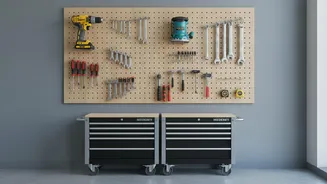
of novels, residents borrow items they need infrequently. Think power drills, ladders, high-pressure washers, and even small kitchen appliances like blenders or steam cleaners. This model of collaborative consumption is a direct challenge to the hyper-consumerist trend of individual ownership for every single item. Why should a hundred flats in a single building each own a drill that is used maybe once a year? These libraries argue they shouldn’t. By creating a central, shared pool of equipment, residents get access to what they need, when they need it, without the cost of purchase or the headache of long-term storage in already cramped homes.
Tackling the E-Waste Mountain
The most significant impact of this communal sharing model is its potential to drastically reduce waste. India is one of the world's largest generators of electronic waste, a hazardous stream of discarded gadgets and appliances that poses a severe threat to the environment and public health. Every appliance that is purchased has a lifecycle that ends in disposal. By shifting from a model of one appliance per person to one shared appliance per community, tool libraries directly reduce the total number of products manufactured and eventually thrown away. This shared ownership of tools helps to lower the absolute volume of items entering the waste stream. Fewer purchases of drills, sanders, and vacuum cleaners mean fewer items ending up in landfills, where toxic materials like lead and mercury can leach into the soil and water. This approach aligns with the principles of a circular economy, which emphasizes reusing and extending the life of products for as long as possible.
Building Community and Saving Money
Beyond the environmental benefits, the impact on residents' wallets and social lives is profound. The financial logic is undeniable. Purchasing specialised tools that are only used occasionally can be expensive. A tool library offers a cost-effective alternative, often for a nominal annual fee or sometimes for free, granting access to a wide range of equipment that would otherwise be unaffordable. This democratises access to resources, allowing more people to undertake home repairs and DIY projects. But perhaps the most surprising benefit is the way it fosters community. In the often-anonymous setting of a large apartment complex, a tool library becomes a natural meeting point. It encourages interaction, builds trust among neighbours, and cultivates a sense of shared responsibility. These libraries can also become hubs for skill-sharing workshops and repair cafes, where residents can learn from each other and work together.
The Logistics of Lending
So, how does a housing society get started? The models vary in complexity. Some libraries operate on a simple, trust-based system with a physical ledger in a secure, common area like a storage room. Others use dedicated WhatsApp groups for coordination. Increasingly, societies are turning to technology. Smartphone apps, like the one used by Planet Smart City in its Indian housing projects, allow residents to browse available items, check their status, and reserve them with a few clicks. The initial stock often comes from residents donating their own underused tools, supplemented by a small fund from the resident welfare association (RWA) to purchase essential items. Establishing clear rules for borrowing, returning, and maintaining the tools is crucial for long-term success, ensuring the items remain in good condition and available for everyone to use.