



The Nutritional Powerhouse
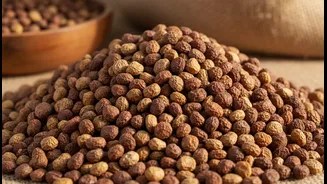
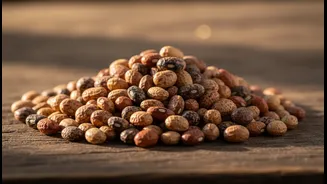
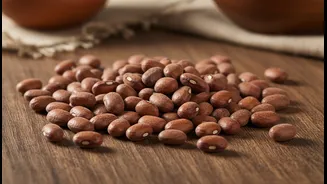
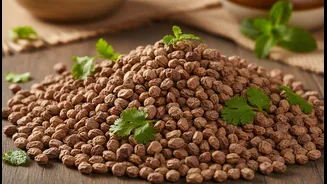
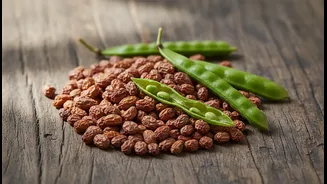
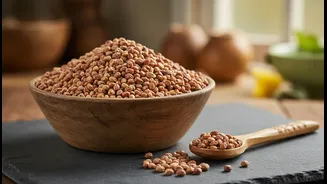
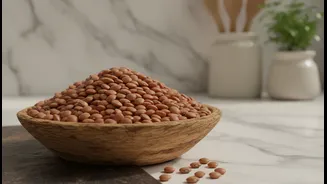
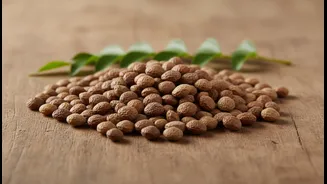
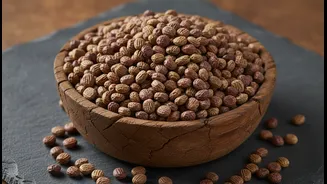
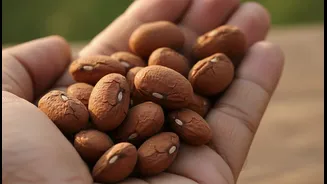
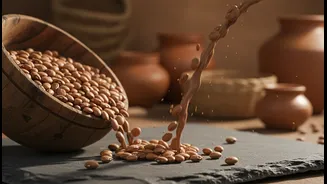
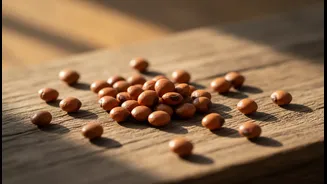
Horse gram, known as kulthi, kollu, or ulavalu in various parts of India, is a nutritional powerhouse. It is packed with protein, iron, calcium, and fibre. Like other legumes, its high protein and fibre content can help with satiety, making it a valuable
addition to diets focused on weight management. Furthermore, it's a rich source of essential minerals like phosphorus, which is vital for bone health, and iron, crucial for preventing anaemia. Ayurvedic traditions classify it as a "heating food," often recommended during colder months for its purported ability to generate warmth and energy in the body. Its potential health benefits, including supporting heart health and managing blood sugar, are increasingly being studied, though much of the current research is in early stages.
A Legacy in Regional Kitchens
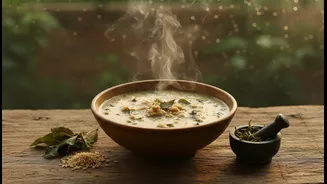
This humble legume has a deep-rooted history in the rural and arid regions of India, where it has been a sustainable crop for centuries, thriving in conditions where other plants might fail. This resilience is reflected in the cuisines that embrace it. In Maharashtra, kulith flour is used to make Pithla, a savoury, porridge-like curry often enjoyed with bhakri or rice. Down south, Tamil Nadu's kollu rasam is a peppery, tamarind-based soup that's considered a comforting remedy for colds. Karnataka has Hurali Saaru, a similar preparation, where the dual-use method is common: the water used to boil the beans becomes a flavourful rasam, and the cooked beans are used to make a dry stir-fry or 'palya'. These dishes aren't just recipes; they are time-tested methods for making this tough legume delicious and digestible.
The Reality for the Modern Cook
Here’s where context becomes crucial. Horse gram is not a quick-fix dal. Unlike toor or moong, it's a tough, hardy bean that demands respect and, more importantly, time. Almost every traditional recipe begins with a mandatory soaking period, often overnight or even longer. This step is non-negotiable, not just for softening the bean but also for mitigating the effects of anti-nutrients like phytic acid, which can inhibit mineral absorption. After soaking, it requires a long cooking time, usually in a pressure cooker for 40 minutes or more, to become tender enough to eat. Even then, it doesn't break down into a creamy mush like other dals; it retains a distinct bite and a robust, earthy flavour that can be an acquired taste.
Unlocking its Potential at Home
So, how can a home cook approach horse gram without feeling intimidated? The key is to embrace the process. Start by ensuring you clean the beans thoroughly to remove any grit. Soaking is essential; an overnight soak is standard, but some suggest a hot water soak can shorten the time. A pressure cooker is your best friend here. After cooking, you can use the beans in various ways. Making a simple rasam from the cooking water is a great starting point. The cooked beans can be mashed into a chutney (thogayal) or stir-fried with coconut and spices to make a sundal. For those short on time, horse gram flour is becoming more accessible and can be used to make dishes like pithla without the lengthy soaking and cooking process for the whole bean. By understanding these preparation methods, you're not just cooking; you're engaging with a culinary tradition designed to make this powerful legume shine.