



The seated row is a powerhouse exercise for building a strong, defined back and improving posture. But its effectiveness hinges entirely on one thing: proper form. Mastering the basics is the key to unlocking its full potential safely.
Why This Move Matters
In a world where
many of us spend hours hunched over desks and screens, our back muscles often become weak and elongated. The seated row is a fundamental pulling exercise that directly counters this, strengthening the key muscles that support good posture. It's a compound movement, meaning it works multiple muscle groups at once, making it incredibly efficient. The primary targets are the latissimus dorsi (the large 'V' shape muscles of your back), the rhomboids (between your shoulder blades), and the trapezius muscles in your upper back. Secondary muscles like your biceps and core also get a workout as they help stabilize the movement. This makes it an essential exercise for building a balanced, resilient upper body that not only looks good but also helps in daily activities like pulling open heavy doors or lifting groceries.
Your Step-by-Step Guide to the Perfect Row
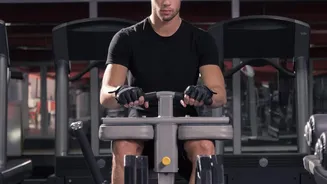
Getting the seated row right is all about a methodical setup and controlled execution. Start by selecting a weight that allows you to maintain form without using momentum. Sit on the bench of the cable row machine, placing your feet firmly on the footplates with a slight bend in your knees. Sit tall with your chest up and shoulders back and down. Lean forward from your hips—keeping your back straight—to grasp the handle. Slide back until your arms are fully extended and you feel a slight stretch in your back. This is your starting position. To begin the pull, exhale and drive your elbows back towards your hips, keeping them close to your body. Think about squeezing your shoulder blades together as the handle approaches your torso, aiming for just below your ribs. Pause for a second at the peak of the contraction before slowly returning the weight to the starting position with full control.
The Golden Rule: A Straight Back
The most critical part of this exercise is maintaining a neutral, straight spine throughout the entire movement. When your back rounds, especially the lower back, it shifts the load from the intended back muscles to your spinal discs, significantly increasing the risk of injury. This often happens when the weight is too heavy, forcing your body to compensate by rounding over to complete the rep. To prevent this, engage your core as if bracing for a punch; this helps stabilize your spine. Your torso should remain relatively stationary. While a slight lean forward from the hips at the start is acceptable for a good stretch, avoid swinging your entire body back and forth to 'cheat' the weight up. This use of momentum negates the purpose of the exercise, reducing tension on the target muscles and transferring stress to your lower back.
Common Mistakes and How to Fix Them
Beyond a rounded back, a few other common errors can derail your progress. The first is shrugging your shoulders up towards your ears as you pull. This engages the upper traps too much instead of the midback. Fix this by consciously keeping your shoulders down and back. Another mistake is pulling with your arms instead of your back. To correct this, initiate the movement by retracting your shoulder blades first, as if trying to pinch something between them, before you even bend your elbows. Finally, avoid performing rapid, jerky movements or using a partial range of motion. Each rep should be slow and deliberate, ensuring your arms are fully extended at the start and your elbows are pulled back past the plane of your body at the finish.
Switching It Up : Grips and Variations
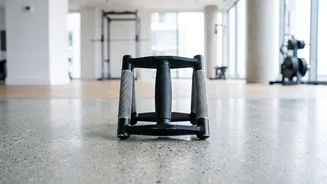
The seated row is versatile. Simply changing the handle or your grip can shift the muscular emphasis. The standard Vbar , or close neutral grip , is excellent for overall lat development and allows you to pull the heaviest weight . Using a wide bar with an overhand grip forces your elbows to flare out more , which places greater focus on your upper back muscles like the rhomboids and rear deltoids . An underhand grip on a straight bar will bring your biceps into play more significantly . There is no single 'best' grip ; rotating between them can lead to more balanced and complete back development . For those without access to a cable machine , a similar movement can be performed seated on the floor using a resistance band looped around your feet .