


From Off-Season to Main Event
For years, the conventional wisdom for travel in India was to avoid the monsoon months. The rains meant cancelled plans, logistical hassles, and sightseeing obscured by grey skies. Popular destinations like Goa and the Himalayan foothills would see a significant
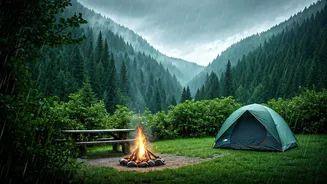
drop in footfall. But a cultural shift is underway. Travellers, particularly younger millennials and Gen Z, are no longer just tolerating the monsoon; they are actively seeking it out. The season is being reframed not as an inconvenience, but as the main attraction. The focus has moved from passively seeing a place to actively doing something within it, transforming the travel 'off-season' into a prime time for a new kind of flex.
What Defines an 'Experience-First' Trip?
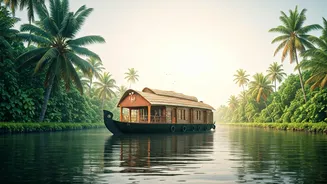
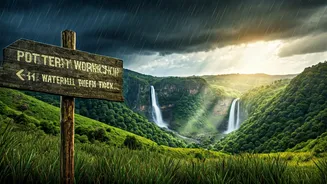
So, what does an “experience-first” trip actually look like? It’s less about ticking off monuments and more about acquiring a skill, a memory, or a feeling. Think of a weekend spent at a pottery workshop in the drenched hills of Panchgani, learning to shape clay while listening to the downpour. Or a farm-to-table retreat in the Coorg, where you forage for monsoon-specific wild greens and learn to cook them. It could be an Ayurveda and yoga retreat in Kerala, where the cool, moist air is considered ideal for treatments. The destination becomes the setting, not the sole purpose. The 'what you did' becomes more important than 'where you went'. This approach values participation over observation, creating a deeper, more personal connection to a place.
The Unique Allure of the Rains
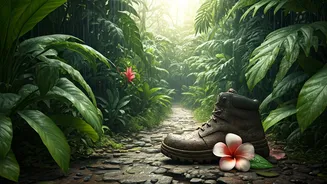
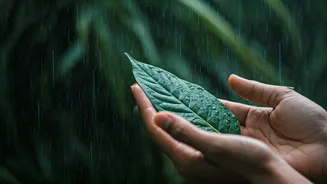
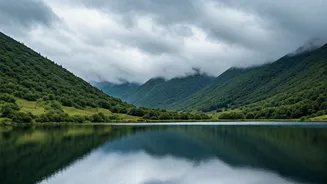
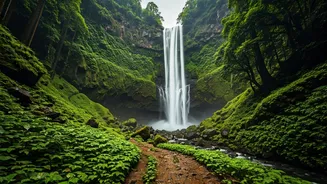
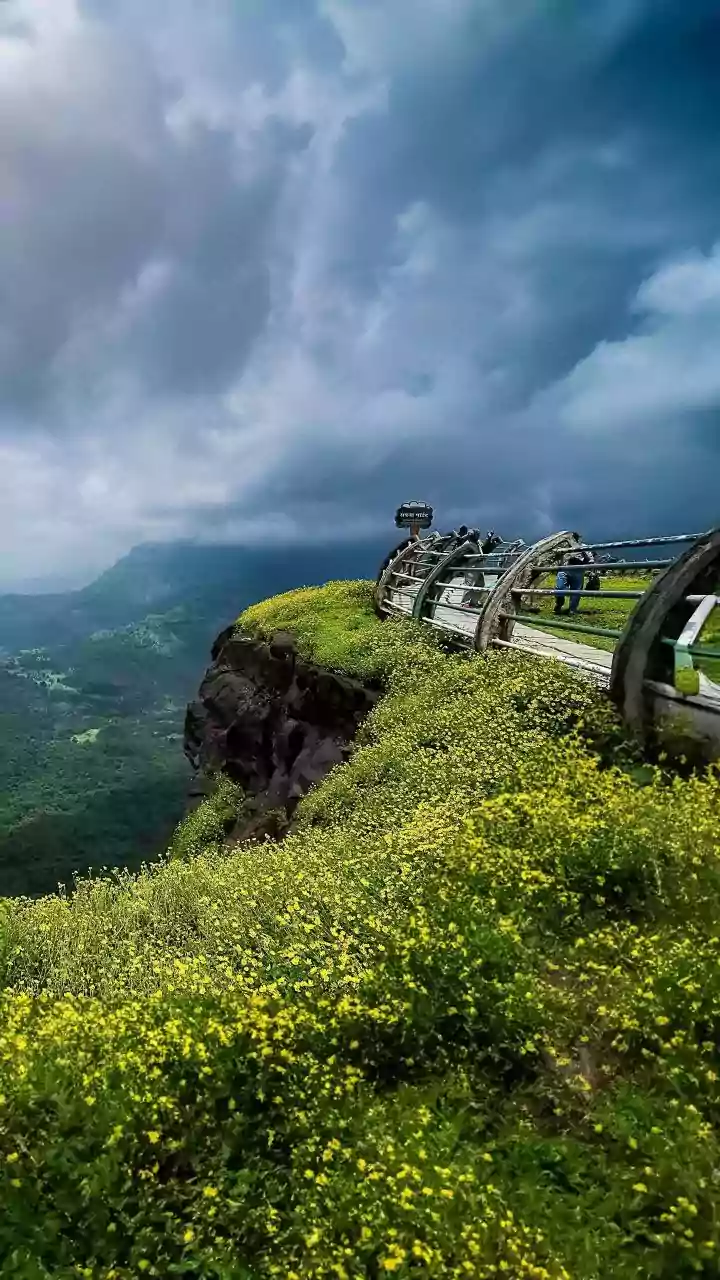
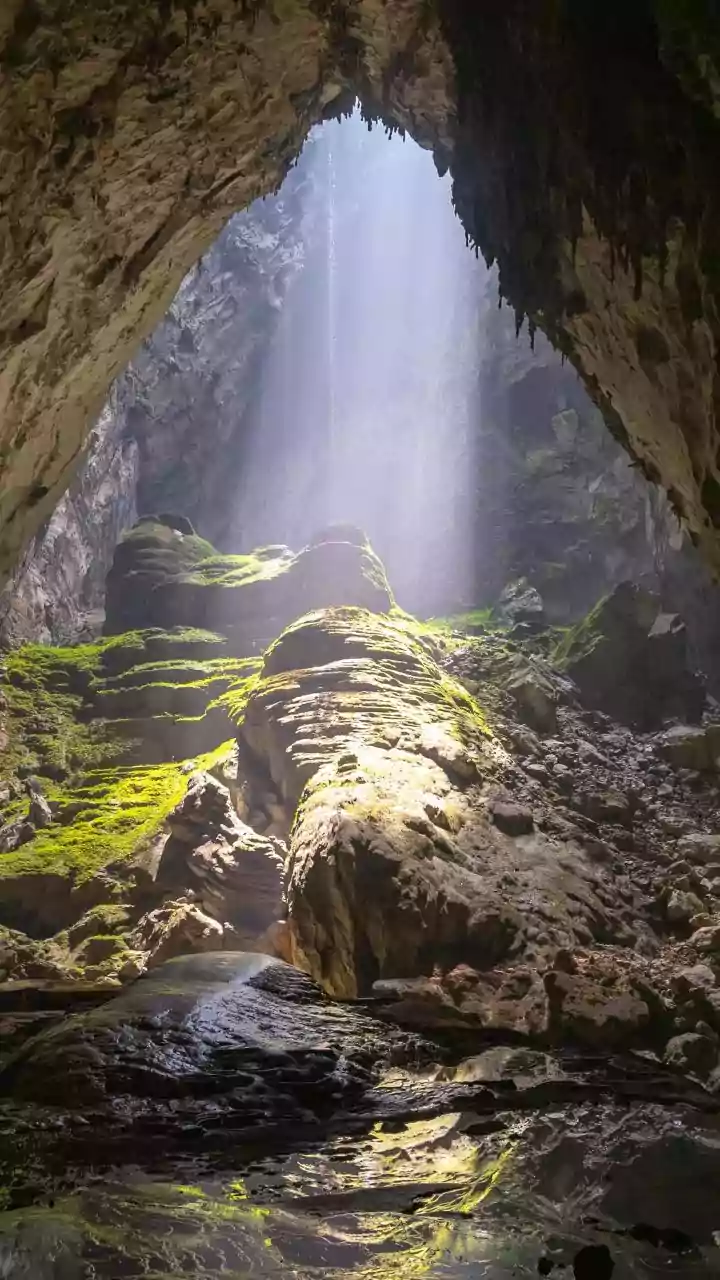
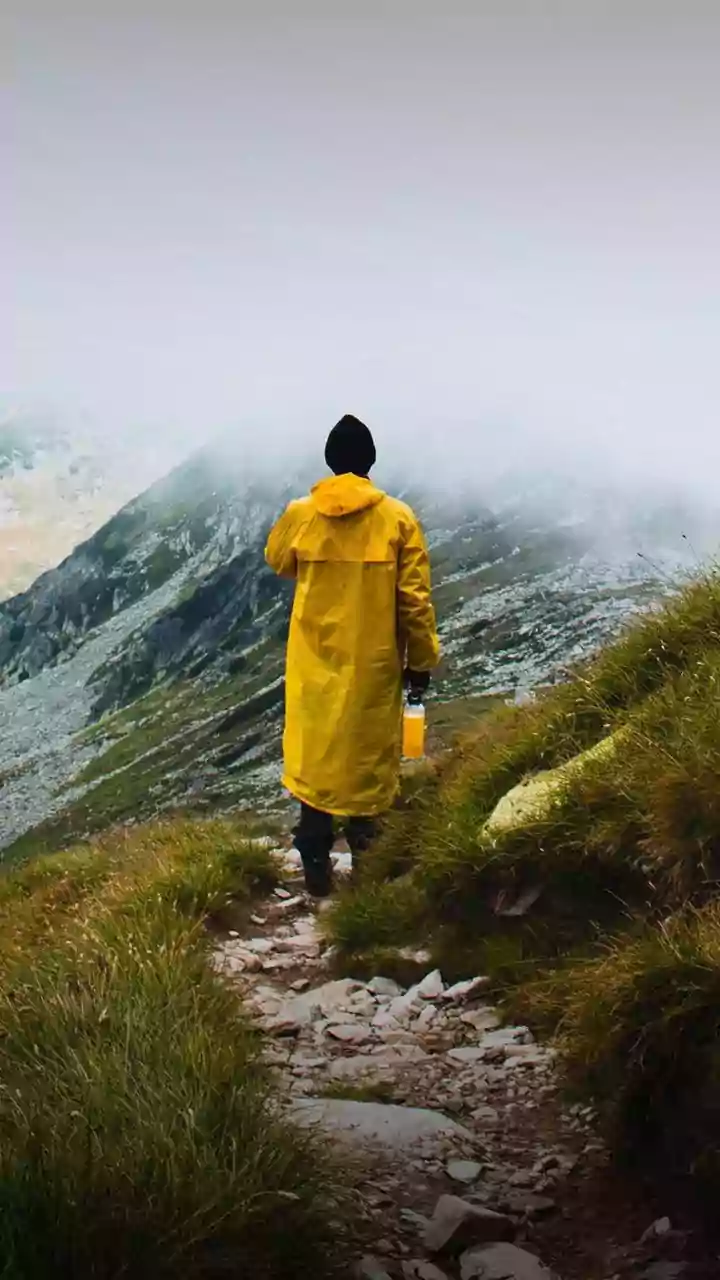
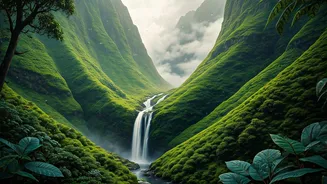
The monsoon provides a sensory backdrop that summer and winter simply cannot match. There’s the intoxicating smell of petrichor—the earthy scent of rain on dry soil. Landscapes, parched from the summer heat, explode into impossible shades of green. Waterfalls that are mere trickles for most of the year become thunderous cascades, creating destinations that only truly exist for these few months. Treks in the Western Ghats, for instance, become quests through misty forests to discover these seasonal wonders. Beyond the aesthetics, the monsoon offers practical benefits: fewer crowds at popular spots and often lower prices for flights and accommodation. It’s a chance to see a more tranquil, authentic version of India, washed clean and renewed.
The Social Media 'Flex' Factor
Let’s talk about the ‘flex’. In a world saturated with identical infinity pool shots and sunset selfies, the currency of social media is uniqueness. An experience-first monsoon trip offers just that. A photo of you trekking through a cloud-covered forest in Meghalaya or a video of you learning Kalaripayattu in a rain-swept courtyard in Kerala is a more potent and interesting statement than another generic beach picture. It signals a traveller who is adventurous, curious, and in search of authenticity. It’s a flex that says, “I don’t just visit places; I immerse myself in them.” This isn't about showing off wealth in the traditional sense, but about showcasing a wealth of experience, a far more valued commodity in today's cultural landscape.
Beyond the Usual Monsoon Spots
While Kerala’s backwaters and Goa’s green paddy fields are classic monsoon draws, this new trend is pushing travellers to explore further. The highlands of Wayanad become a haven for nature walks and spice plantation tours. The forts of Rajasthan, like Bundi and Udaipur, take on a romantic, misty charm, offering a completely different perspective from their sun-baked winter look. In Maharashtra, destinations like Malshej Ghat and Bhandardara become magnets for trekkers and waterfall chasers. Even cities offer opportunities, with heritage walks focusing on monsoon architecture or culinary tours exploring rainy-day street food. The idea is to find the magic in the rain, wherever you are, turning any location into a potential experiential escape.