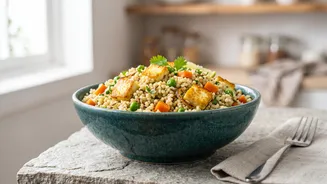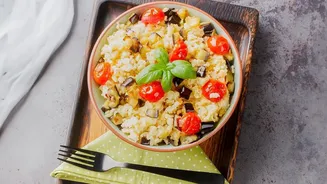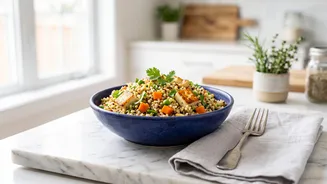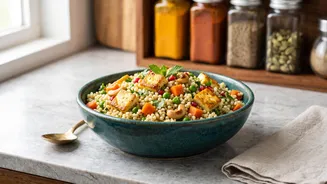

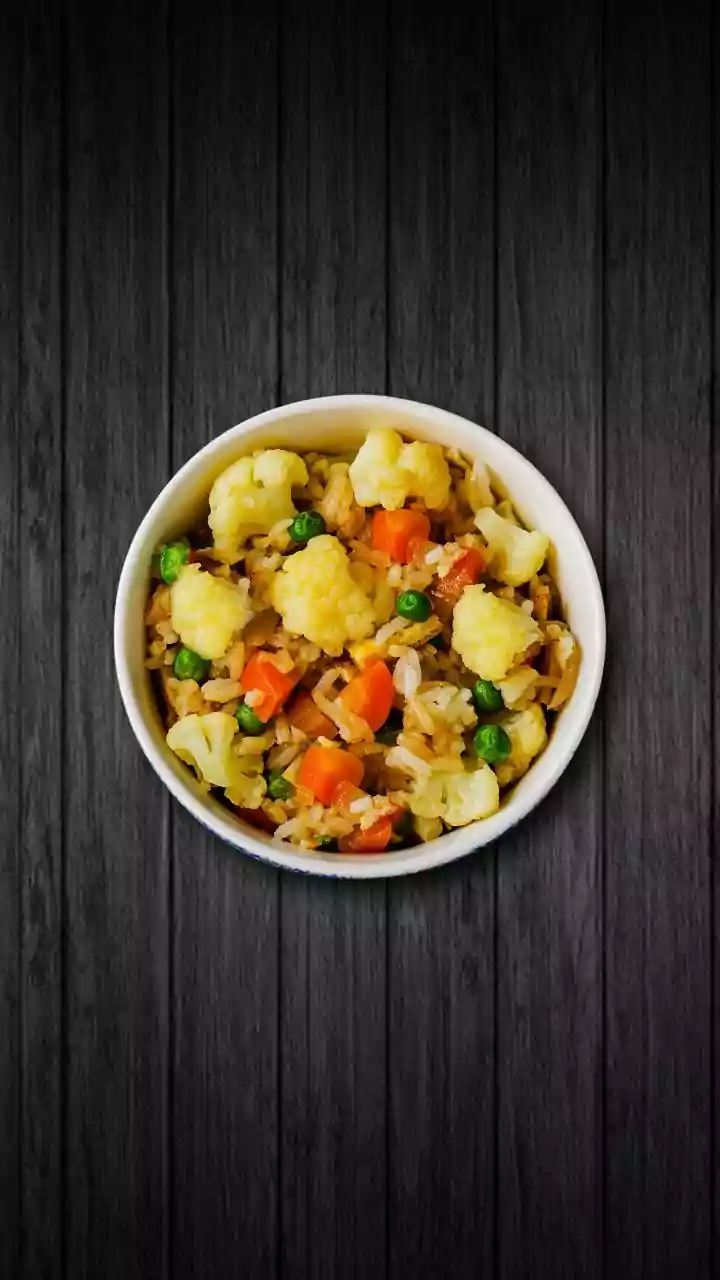
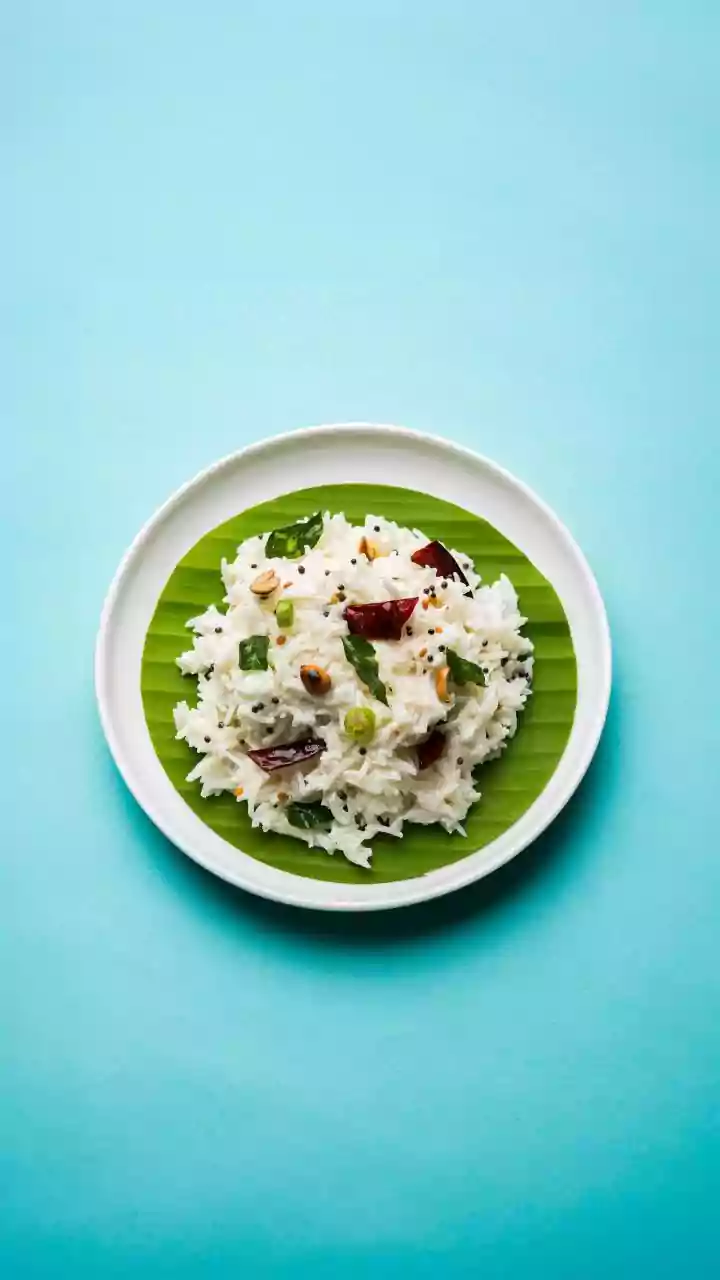
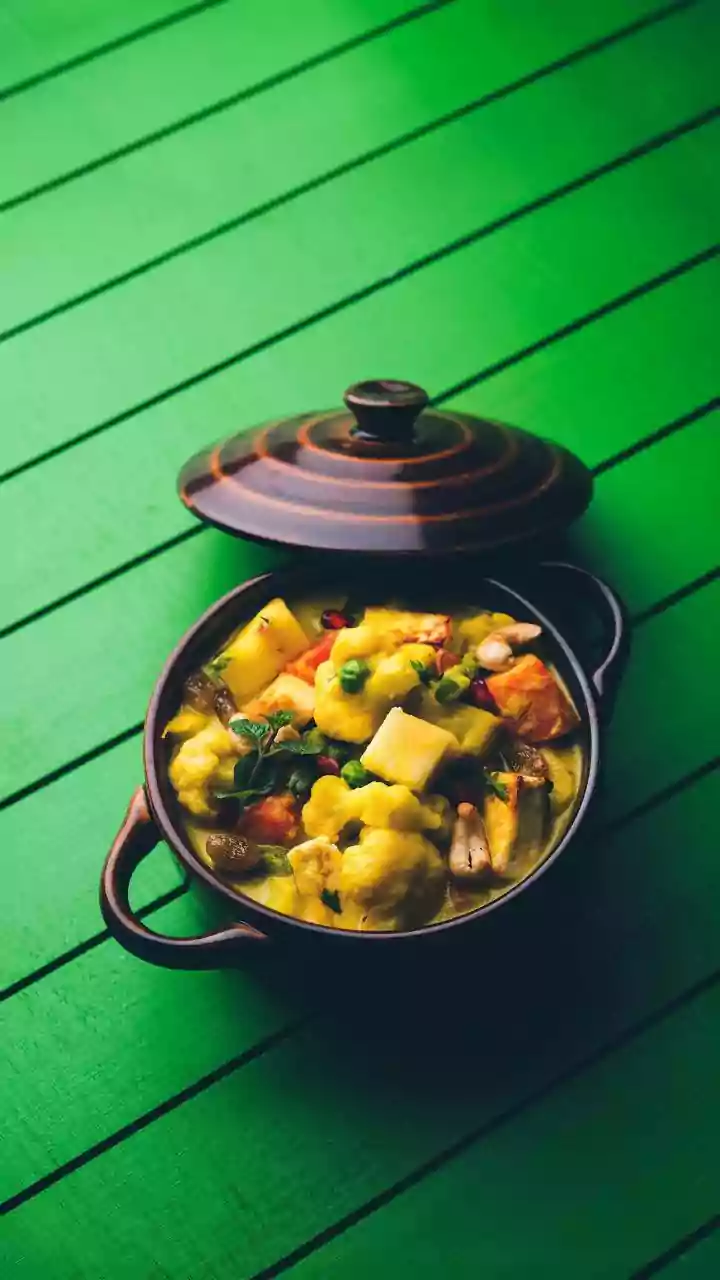
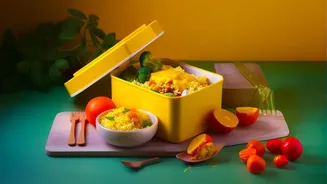
Packing a lunch that is quick, healthy, and doesn't feel repetitive is a daily challenge. Enter millet pulao, a wholesome one-pot meal that uses familiar Indian spices and vegetables to create a balanced and delicious alternative to rice.
Why Millets are Making a Comeback
For generations,
millets were a staple in Indian diets before polished white rice and wheat became dominant. Now, these ancient grains are being rediscovered for their impressive nutritional profile and versatility. Millets are a group of small-seeded grasses, and the kinds commonly used in India include foxtail millet (thinai/navane), kodo millet (varagu), and barnyard millet (sanwa). They are naturally gluten-free, making them suitable for those with sensitivities. More importantly, they are packed with protein, fibre, and essential minerals like iron and magnesium. Their high fibre content promotes better digestion, helps you feel full for longer, and supports steady blood sugar levels, avoiding the post-lunch slump.
Choosing the Right Millet for Your Pulao
While there are many types of millet, some are better suited for pulao than others because they cook up into separate, fluffy grains, similar to rice. Foxtail millet is a popular choice for pulao due to its texture and taste. Kodo millet and little millet also work very well in one-pot rice-style dishes. You can find these hulled and ready-to-cook at most grocery stores and online. When starting out, it's best to buy a small pack and see which texture you prefer before stocking your pantry.
The Secret to Perfectly Fluffy Millet
The key to avoiding mushy millet pulao lies in a few simple steps. First, always rinse the millets thoroughly 2–3 times. Second, soak them for at least 30 minutes, and up to an hour. This helps soften the grain and aids digestion. Third, and most importantly, get the water ratio right. A general rule of thumb for a fluffy, grain–separated pulao is a 1:2 ratio of millet to water (one cup of millet to two cups of water). Finally, after cooking, let the pulao rest, covered, for at least 5–10 minutes. This allows the grains to absorb any remaining steam and firm up. Fluff gently with a fork before serving, not a spoon, to avoid breaking the delicate grains.
A Simple, Flavourful Millet Pulao Recipe
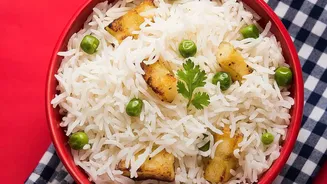
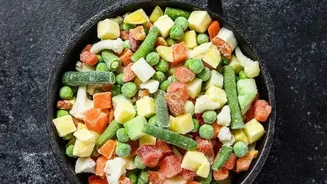
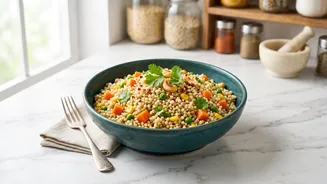
This recipe uses common Indian pantry staples to create a fragrant and satisfying pulao. You will need: 1 cup foxtail or kodo millet (rinsed and soaked), 2 cups water, 1 tablespoon of oil or ghee, a few whole spices (bay leaf, cloves, cinnamon), 1 sliced onion, 1 teaspoon ginger–garlic paste, 1 cup mixed vegetables (carrots, peas, beans), and salt to taste.
Start by heating the oil or ghee in a pressure cooker or heavy–bottomed pan. Add the whole spices and let them sizzle for a minute. Sauté the sliced onion until soft, then add the ginger–garlic paste and cook for another minute until fragrant. Add your mixed vegetables and sauté for a few minutes. Drain the soaked millet completely and add it to the pan, stirring gently. Pour in the 2 cups of water and add salt. Bring to a boil, then cover and cook on a low flame for 12–15 minutes or until the water is absorbed. If using a pressure cooker, one whistle on medium flame is usually sufficient. Let it rest before fluffing and serving.
Making It a Truly Balanced Lunch
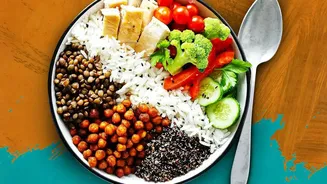
While millet pulao is nutritious on its own, pairing it with the right accompaniments turns it into a perfectly balanced meal. According to nutrition guidelines, a balanced plate should contain protein, fibre–rich carbs, vegetables, and healthy fats. The pulao covers the carbs and vegetables, but adding a protein source completes the picture. The easiest and most classic pairing is a simple bowl of raita (yoghurt dip) or plain curd. Yoghurt adds protein and probiotics. For an even more substantial meal, you can serve it alongside a small bowl of dal, chana, or rajma. This combination ensures you get a healthy mix of macronutrients to keep you energised throughout the afternoon.