
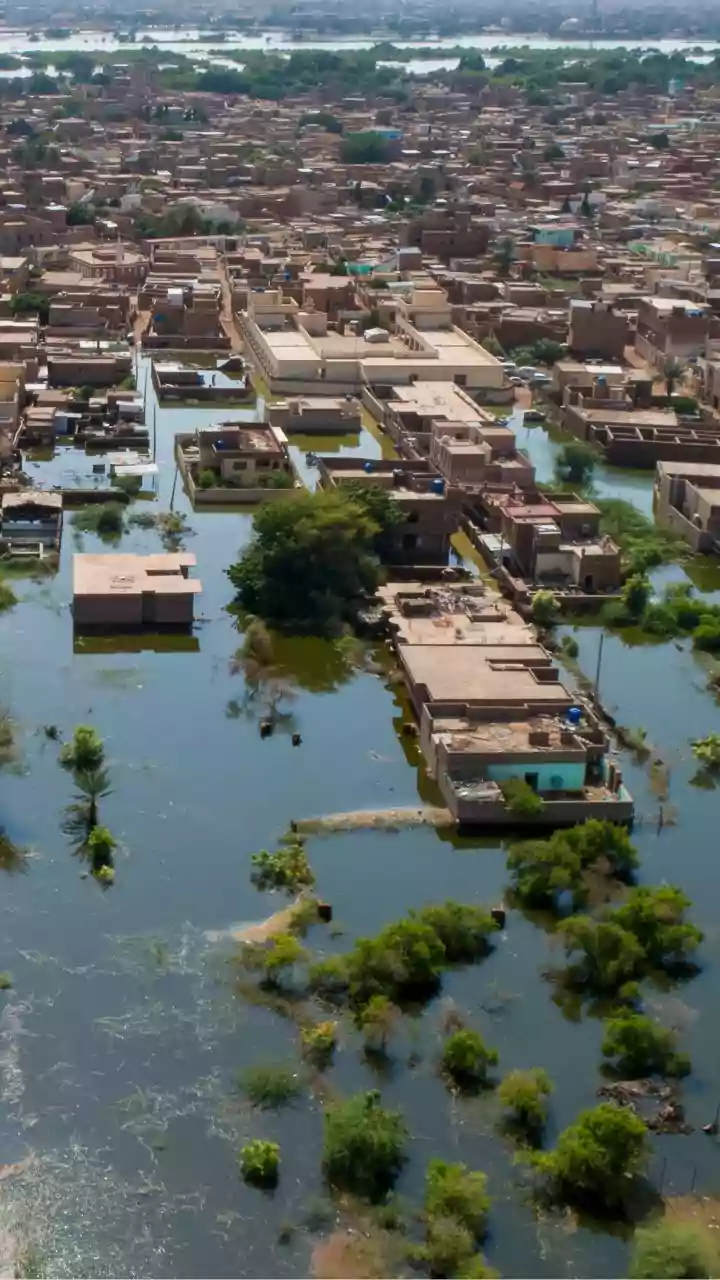



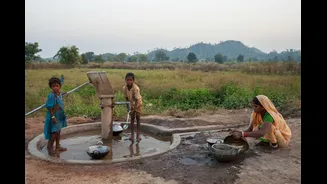
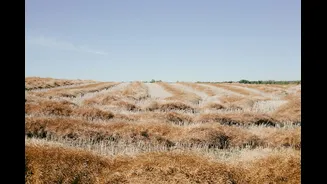
As India charts a path toward energy independence and food security, an innovative solution is gaining ground. Agrivoltaics, the practice of using the same land for both farming and solar power, could be a game-changer for the nation.
What are Agrivoltaic Systems?
Imagine a farm where
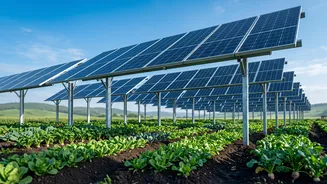
crops grow not under the open sun, but under rows of solar panels mounted on tall structures. This is the core concept of agrivoltaics, also known as dual-use solar. Instead of choosing between using land for agriculture or for a solar farm, this approach does both simultaneously. The solar panels are typically elevated several feet above the ground, allowing enough space for crops to be cultivated, for farm machinery to operate, and even for livestock to graze underneath. The goal is to create a symbiotic relationship: the land produces both food and clean energy, maximising its productivity.
The Promise of a Double Harvest
The most compelling benefit of agrivoltaics is its dual-income potential for farmers. In a country where over 85% of farmers are small and marginal landholders, dedicating land solely to solar is often not feasible. Agrivoltaics offers a way to generate a steady, reliable income from selling electricity to the grid while continuing to earn from agricultural produce. This 'third crop' of energy can provide a crucial financial buffer against fluctuating market prices and unpredictable weather. Pilot projects have shown this model can significantly increase a farmer's income, turning agricultural land into a more resilient and profitable asset.
Boosting Yields and Saving Water
Counterintuitively, the shade provided by solar panels can actually be beneficial for certain crops. In India's hot climate, many plants suffer from heat stress and excessive sun exposure. The partial shade from agrivoltaic installations creates a cooler microclimate, protecting crops from extreme temperatures. This shading also reduces water evaporation from the soil by up to 30%, leading to significant water savings and lower irrigation needs—a critical advantage in water-stressed regions. Studies and pilot projects across India have shown that shade-tolerant crops like tomatoes, spinach, ginger, turmeric, and various leafy greens can see their yields match or even increase under these conditions.
The Indian Context and Government Push
Recognising the immense potential, the Indian government is actively formulating a policy to promote agrivoltaics. Recent announcements at the Agrivoltaics World Conference 2026 in New Delhi confirmed that the approach will be a key component of the upcoming PM_KUSUM 2.0 scheme. With an estimated 30% of India's cropland suitable for these systems, the potential is massive. States like Maharashtra, Rajasthan, and Madhya Pradesh are at the forefront, hosting pilot projects that demonstrate the model's viability with various crops and system designs. These initiatives aim to align the national goal of achieving 500 GW of renewable energy by 2030 with the economic empowerment of rural communities.
Challenges on the Horizon
Despite the promise, agrivoltaics is not a simple plug-and play solution. The primary hurdle is the high initial cost. The elevated structures required make these systems 25–30% more expensive than conventional ground–mounted solar farms. Furthermore, not all crops are suitable; staple crops like rice have not performed well in trials so far. There are also challenges related to policy, financing for small farmers, and ensuring that the system design does not impede long–term soil health or agricultural productivity. Addressing these issues through subsidies, research, and clear regulatory frameworks will be crucial for widespread adoption.