





What Exactly Is a Hydroponic Kit?
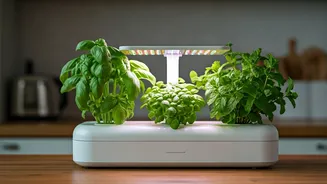
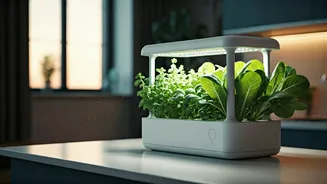
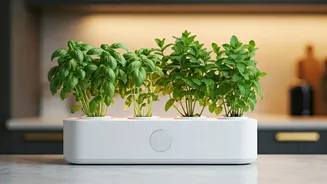
At its core, hydroponics is a method of growing plants without soil. Instead of pulling nutrients from the dirt, plants get everything they need from a nutrient-rich water solution. A countertop hydroponic kit packages this science into a compact, user-friendly
appliance. Typically, it consists of a water reservoir, a small pump to circulate the water, and pods where the seeds germinate. The real star of the show is the built-in, full-spectrum LED light system, which provides the 'sunlight' your herbs need to flourish, even in a windowless corner of your apartment. You simply add water, drop in some liquid nutrients every couple of weeks, and place the pre-seeded pods into the designated slots. The system handles the rest, creating a perfect micro-environment for your plants to thrive.
The 'Smart' in a Smart Garden
The “smart” label isn’t just marketing fluff; it’s what makes these devices so appealing to novice gardeners and busy people. These kits eliminate the most common reasons houseplants fail: forgetting to water and lack of sufficient light. The system’s brain is a simple automated timer. It controls the LED grow lights, turning them on and off to simulate a natural day/night cycle, usually for about 15-17 hours a day. It also manages the water pump, periodically circulating the nutrient solution to aerate the roots. Most models also include helpful indicator lights that blink to remind you when it’s time to add more water or plant food. This automation removes the guesswork and inconsistency, providing your herbs with the ideal conditions consistently, day after day.
More Than Just a Garnish
The benefits of a countertop herb garden go far beyond convenience. First, there's the flavor. Freshly-cut herbs have a vibrancy and aroma that their plastic-packaged, refrigerated counterparts from the grocery store simply can’t match. A dish finished with just-picked parsley or cilantro tastes brighter and more alive. Second is the reduction in food waste. How many times have you bought a large bunch of herbs for a single recipe, only to watch the rest wilt into a sad, brown sludge in your crisper drawer? With a living plant, you snip only what you need, when you need it. Finally, there's a simple, profound satisfaction that comes from growing your own food. Watching the seeds sprout and grow into lush, fragrant plants brings a little piece of nature indoors and connects you more deeply to what you eat.
Choosing Your First Kit
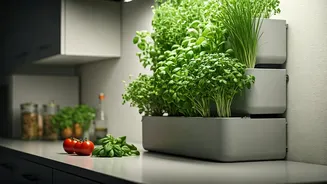
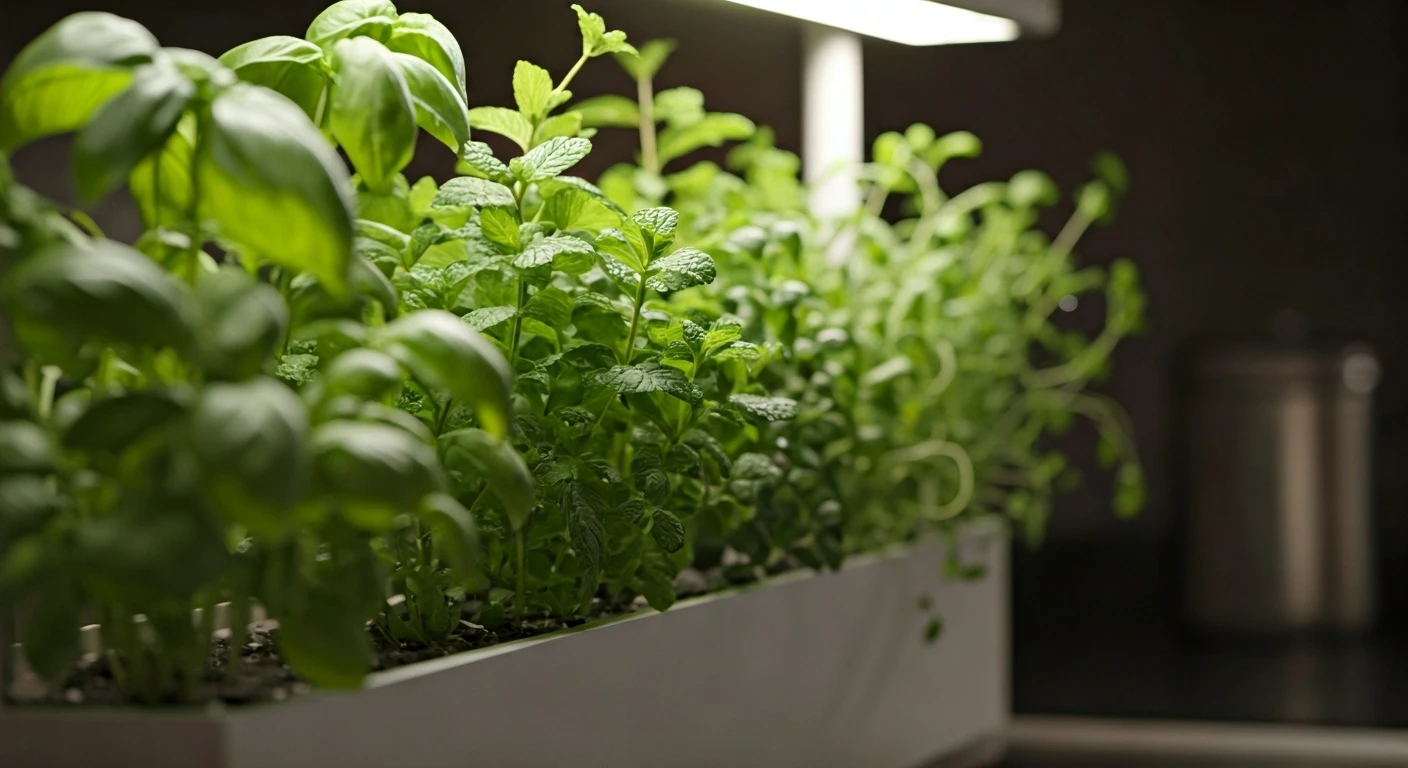
When you're ready to start, there are a few key things to consider. First is size and capacity. Kits range from small, three-pod units perfect for a few essential herbs to larger models that can hold a dozen or more plants. Consider your available counter space and how many different herbs you realistically want to grow at once. Next, think about the types of herbs. Leafy, fast-growing herbs like basil, mint, parsley, dill, and cilantro do exceptionally well in these systems. Woody-stemmed herbs like rosemary and thyme can also be grown, but they may grow more slowly. Most kits come with a starter pack of pre-seeded pods, but you can also buy 'grow anything' pods that allow you to use your own seeds. Finally, check the height of the light, especially if you plan to grow tall herbs like dill or basil, ensuring it's adjustable to accommodate your plants as they grow.
The Reality of Indoor Gardening
While these systems are incredibly low-maintenance, they aren’t entirely “set it and forget it.” You’ll need to top off the water reservoir every few days and add liquid nutrients every two weeks. The LED lights are very bright and may illuminate your kitchen more than you expect, and the water pump often emits a soft, low hum. Periodically, about every 4-6 months, it’s a good idea to fully empty and clean the reservoir to prevent any algae buildup. But these are minor chores compared to the rewards. For a few minutes of care each month, you get a constant, reliable supply of fresh, delicious herbs right at your fingertips.