





What 'Ultra-Processed' Really Means
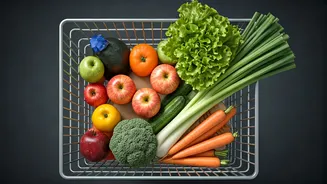
The term comes from a food classification system called NOVA, which was developed by Brazilian health researchers. Instead of just counting calories or fat, NOVA groups foods by their level of industrial processing. While minimally processed foods (Group
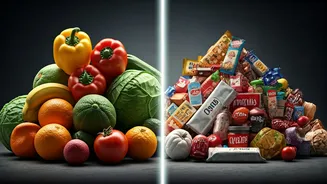
1) are things like fresh vegetables, fruits, and plain rice, ultra-processed foods (UPFs) are in a different league entirely. These are not modified foods; they are industrial formulations. Think of them as products made from substances extracted from foods (like fats, starches, and sugars) and then loaded with additives you wouldn't find in a home kitchen. The list includes things like emulsifiers, artificial colours, and flavour enhancers, all designed to make the final product hyper-palatable, convenient, and have a very long shelf life. A simple rule of thumb: if the ingredient list is long and full of unpronounceable names, it's likely a UPF.
The Quiet Takeover of the Indian Diet
If you feel like you’re seeing more packaged snacks than ever, you’re not imagining it. India is experiencing one of the fastest growth rates for UPF sales in the world. According to a report by the World Health Organization, retail sales of UPFs in India grew at a staggering 13.37% compound annual growth rate between 2011 and 2021. In monetary terms, the market exploded from around USD 0.9 billion in 2006 to nearly USD 38 billion by 2019. This shift is driven by increasing urbanisation, busy lifestyles, and aggressive corporate marketing. Sweet biscuits are a major part of this trend, accounting for over 43% of the market share in 2021. From the local kirana store to the sprawling supermarket, these products have become an unavoidable part of the modern Indian food landscape.
More Than Just Empty Calories
The concern around UPFs goes far beyond their high salt, sugar, and fat content. A massive body of research now links high consumption of these foods to a range of serious health issues. A large-scale review published in The Lancet found that diets high in UPFs are associated with an increased risk of obesity, type 2 diabetes, heart disease, depression, and even early death from all causes. In India, this trend directly parallels a worrying rise in non-communicable diseases (NCDs), which grew from causing 38% of deaths in 1990 to over 61% by 2016. Studies show a direct correlation: one analysis found that for every 10% increase in UPFs in a person's diet, the risk of cardiometabolic issues like diabetes and hypertension rises significantly. More recent studies have even linked high UPF consumption to a greater risk of cognitive decline and dementia.
How to Become a Label Detective
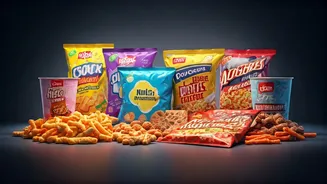
Spotting UPFs can be tricky, especially since many are marketed with health claims like “added fibre” or “low fat.” The key is to ignore the front of the package and read the ingredient list on the back. Look for a list with five or more ingredients. Be suspicious of components you don't recognise or wouldn't stock in your kitchen, such as maltodextrin, protein isolates, hydrogenated oils, or high-fructose corn syrup. Pay special attention to “cosmetic additives” designed to improve texture and taste, like emulsifiers (lecithin, gums), stabilisers, and artificial flavourings. Common Indian products that fall into the UPF category include instant noodles, packaged chips and namkeens, mass-produced biscuits and cookies, sugary breakfast cereals, and soft drinks.