




The Race for AI Dominance
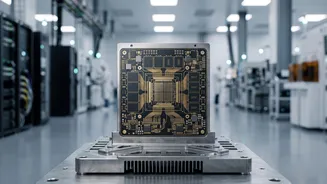
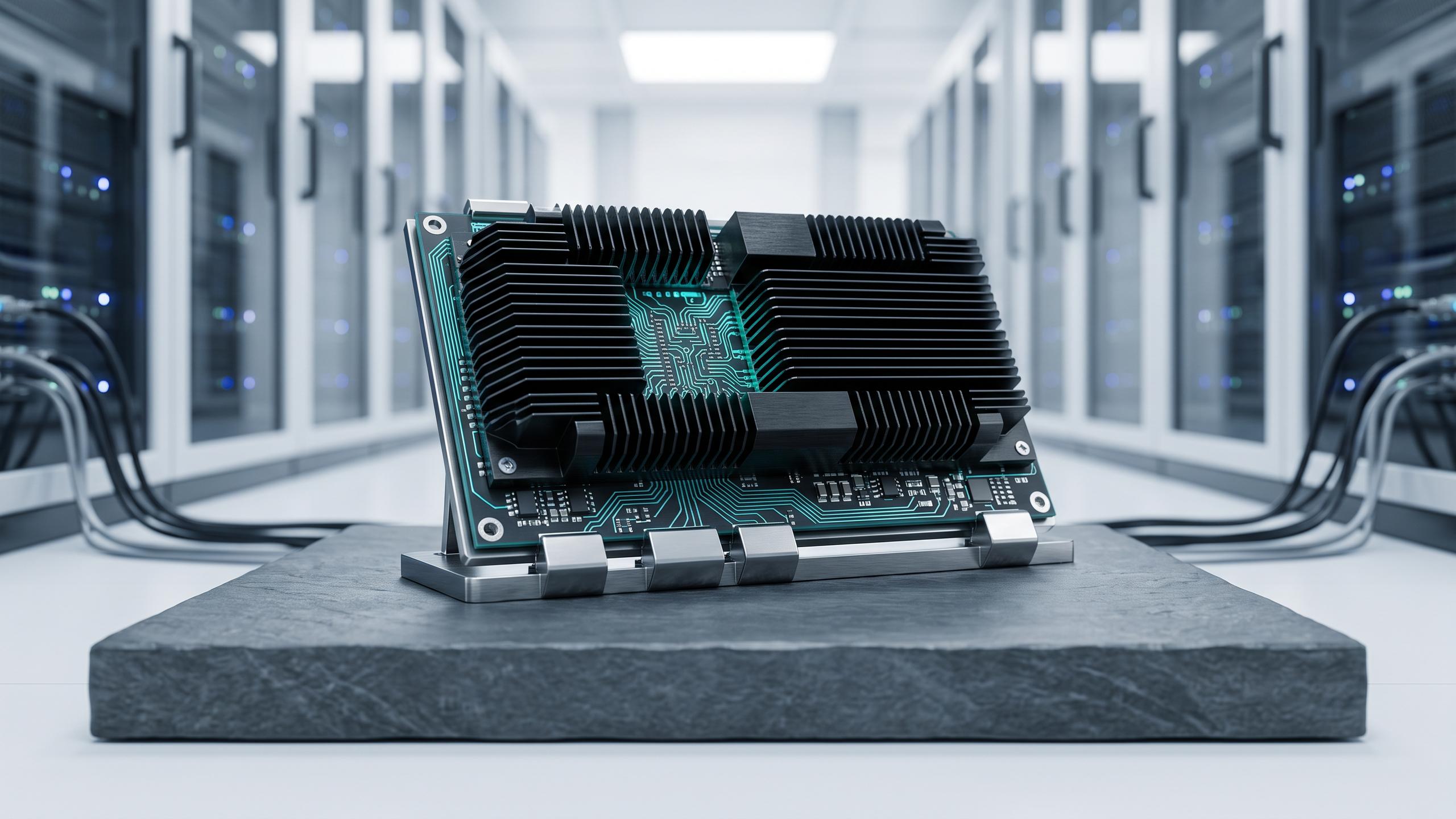
At the heart of the global technology race are semiconductors, specifically the advanced graphics processing units (GPUs) that power artificial intelligence. These chips, designed by companies like Nvidia, are essential for training and running the large-scale
AI models that are reshaping industries. For years, the US has sought to limit China's access to this cutting-edge technology, citing national security concerns that the chips could be used to modernize China's military. Initial export controls blocked the direct sale of the most powerful AI processors to Chinese companies.
The 'Remote Access' Loophole
Despite direct export bans, a significant workaround emerged. Chinese companies couldn't buy the top-tier chips directly, but they could rent computing power from data centers located in third countries, such as Singapore, Malaysia, and Indonesia. These data centers were free to purchase the advanced US chips, creating a booming business for 'remote access'. Chinese AI developers could simply log into these overseas servers and use the processing power for their own projects, effectively bypassing the export controls. This gray area allowed a steady flow of American computing power to entities that Washington intended to restrict.
What's In the New Rule?
The new interim final rule issued by the US Commerce Department directly targets this remote access loophole. It establishes new licensing requirements for any data center in the world that provides significant computing power to companies headquartered in China, Macau, or other restricted nations. Effectively, if a data center operator wants to sell cloud computing services to a Chinese firm using these advanced chips, they will now need a US license to do so. The rule also adds new licensing requirements for shipping advanced chips to several countries, including Singapore, Malaysia, Thailand, and Brazil, which the US says pose a 'higher-than-normal risk of diversion'.
Impact on the Tech Industry
The immediate impact is on the complex web of global tech commerce. Chip designers like Nvidia, which had a significant portion of its data center revenue coming from China, face new hurdles. While the company had previously created slightly less powerful chips to comply with older rules, this new regulation is more comprehensive. The rules will require data center operators and chip exporters to perform more thorough due diligence on their customers' ownership and activities to ensure they are not indirectly serving restricted entities. Existing data centers currently serving Chinese companies have given a 90-day window to obtain the necessary licenses to continue their services.
A Cat-and-Mouse Game
This move is the latest in an escalating cat-and-mouse game between US regulators and those seeking access to its technology. While Washington tightens its grip, Beijing is pouring vast resources into developing its own domestic semiconductor industry to reduce its reliance on foreign tech. The new US rules signal a strategic shift from controlling the physical shipment of chips to controlling access to the computing power itself, no matter where the servers are located. This significantly expands the scope of US oversight and complicates the operational landscape for global cloud computing providers and the entire semiconductor supply chain.