





Why Your Workout Surface Matters
Every time your foot strikes the ground during a run or jump, a force travels back up through your body. Hard, unforgiving surfaces like concrete and asphalt don't absorb much of this impact. Instead, your joints—ankles, knees, and hips—take the brunt
of the shock. Over time, this repetitive stress can contribute to issues like shin splints, stress fractures, and general joint pain. While your body is incredibly adaptive, constantly exercising on hard surfaces, especially with poor form or too much volume, increases the risk of overuse injuries. Even seemingly soft surfaces have their own risks; uneven trails can increase the risk of ankle sprains, while very soft sand can strain the Achilles tendon.
The Runner's Swap: Trade Pavement for Water or Wheels
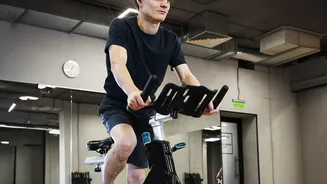
Running is a fantastic cardiovascular exercise, but the constant impact isn't for everyone. Concrete is considered the least forgiving running surface because it absorbs minimal shock. Asphalt is slightly better, but still considered a high-impact option. If your joints are feeling the strain, consider swapping some of your runs for activities that offer a similar cardio challenge without the pounding. Swimming is a full-body workout that is virtually zero-impact, making it an excellent choice for active recovery and cardiovascular fitness. Cycling, whether outdoors or on a stationary bike, builds leg strength and endurance while being much gentler on the knees. An elliptical machine also mimics the motion of running without the associated impact, providing a great alternative for getting your heart rate up.
The HIIT Swap: Intensity Without the Jump
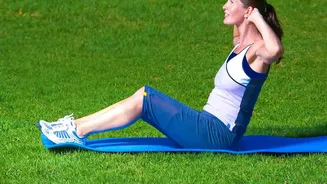
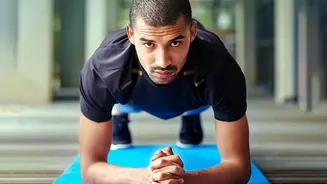
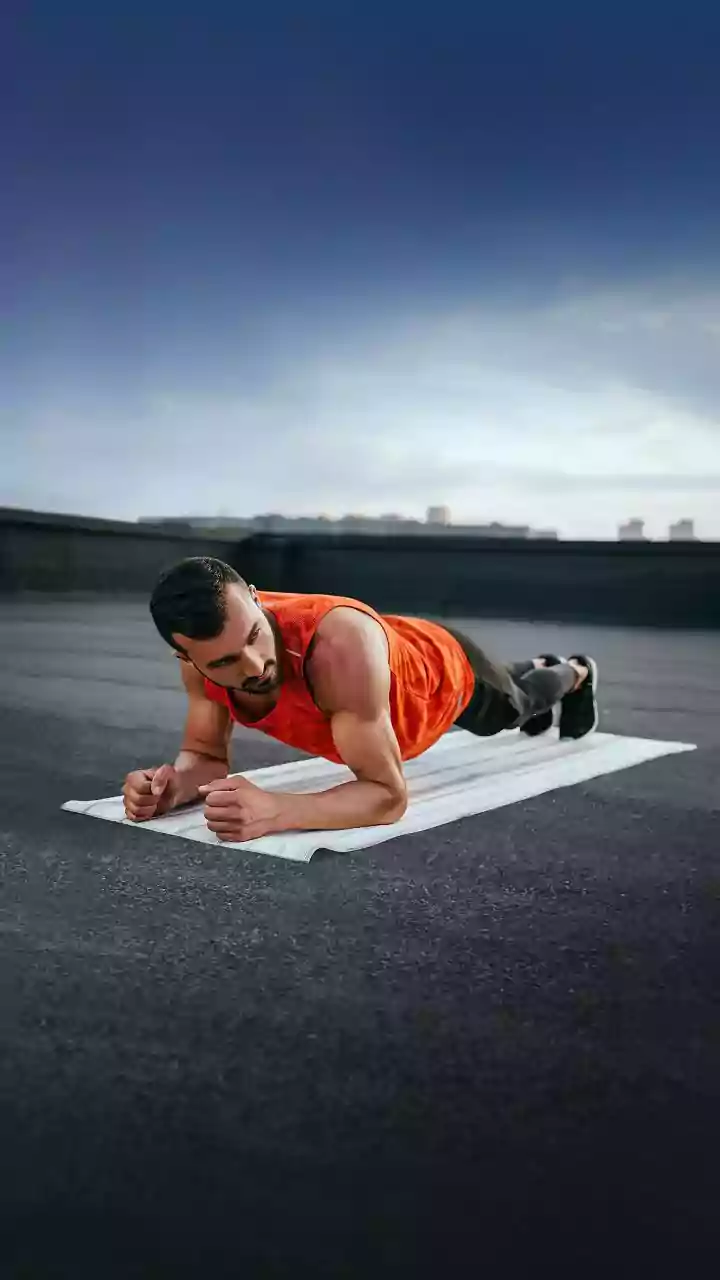
High-Intensity Interval Training (HIIT) often involves explosive, plyometric movements like burpees and jump squats. When performed on a hard surface, these exercises can send significant shock through your joints. You can maintain the intensity and metabolic benefits of HIIT by swapping out the high-impact movements. Instead of jumping, focus on powerful but grounded exercises. Kettlebell swings, for example, are a phenomenal full-body exercise that raises the heart rate without your feet leaving the floor. Battle ropes provide an intense upper body and core workout. Bodyweight circuits focusing on squats, lunges, push-ups, and planks on a cushioned mat can also create a challenging, low-impact HIIT session.
The Power of Cross-Training
The principle behind these swaps is known as cross-training—incorporating a variety of activities into your fitness routine. One of the biggest benefits of cross-training is injury prevention. By varying your workouts, you avoid repeatedly stressing the same muscles and joints in the exact same way. This gives overworked areas a chance to recover while you strengthen other supporting muscles. A runner who adds swimming strengthens their whole body while giving their leg joints a break. Someone who loves HIIT can incorporate yoga or Pilates to improve flexibility and core strength, which in turn enhances stability and reduces injury risk during more intense sessions. This balanced approach builds a more resilient and well-rounded fitness foundation.