






A Festival Months in the Making
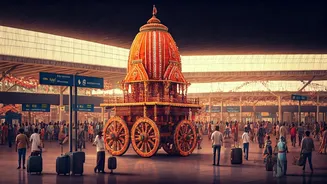
For the millions who throng the coastal town of Puri for the annual Rath Yatra, planning might start with securing a train reservation, typically available 60 days in advance. But for the festival itself, the clock starts ticking much earlier. The formal
beginning of the chariot construction, a ritual known as Ratha Anukula, takes place on Akshaya Tritiya. This auspicious day, which usually falls in April or May, marks the official commencement of a monumental task. The 2026 Rath Yatra, set for July 16, saw its first formal preparations begin on Akshaya Tritiya, long before the railway booking window for mid-July travel would have opened. This highlights a fascinating truth: the gods' journey is planned on a divine calendar that far precedes any modern travel itinerary.
The Sacred Art of Chariot Building
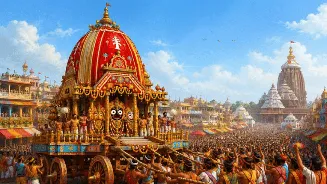
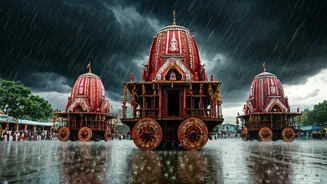
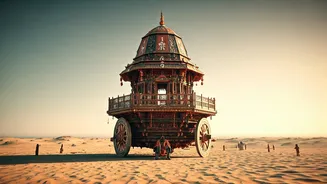
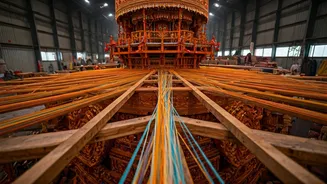
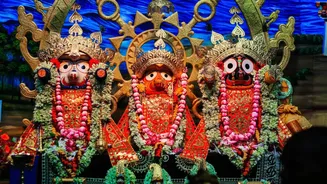
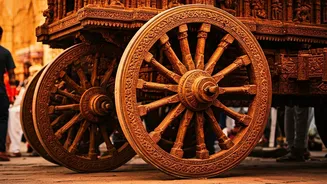
The heart of the preparations is the construction of three magnificent chariots: Nandighosha for Lord Jagannath, Taladhwaja for Lord Balabhadra, and Darpadalana for Devi Subhadra. These are not just vehicles; they are massive, handcrafted temples on wheels, built fresh every single year. The process is a deeply spiritual and hereditary craft, entrusted to specific families of carpenters, known as Biswakarmas or Maharanas. They use traditional methods passed down through generations, eschewing modern blueprints for measurements based on hand spans and time-honoured knowledge. The wood itself is sacred, with specific trees like phassi, dhausa, and simli being sourced from designated forests. The construction involves over a hundred carpenters and takes more than two months, transforming over 1,000 wooden logs into towering structures that can be as high as 45 feet.
Rituals Before the Roll
Well before the chariots are built, a series of rituals sets the stage. The process kicks off even before Akshaya Tritiya with the selection and consecration of timber. One of the most significant pre-Yatra events is the Snana Purnima, the bathing festival, which for the 2026 Yatra took place on June 29. On this day, the deities are brought out and given a ceremonial bath with 108 pitchers of sacred water. Following this, the deities are believed to fall ill and enter a 15-day period of seclusion known as 'Anasara'. During this time, they are kept from public view, receiving care and herbal treatments before re-emerging, refreshed and repainted, for the grand procession. This spiritual preparation of the deities is as crucial as the physical construction of their chariots.
The Logistics of a Million Pilgrims
While ancient traditions guide the chariot construction, modern logistics govern the management of the millions of devotees who attend. The planning involves a massive, multi-departmental effort by the Odisha government. For the 2026 festival, preparations included the deployment of nearly 10,000 police personnel, installation of hundreds of CCTV cameras, and the establishment of dedicated evacuation routes and emergency response teams. The health department arranges for hundreds of extra hospital beds, dozens of first-aid centres, and a fleet of ambulances. Indian Railways plans for hundreds of special trains to Puri, along with extra ticket counters to manage the overwhelming rush. Sanitation is another huge focus, with thousands of temporary toilets installed and extensive cleaning operations planned to keep the city functioning under the strain of a population that swells by over a million people.