


More Than Just a Pretty Flower
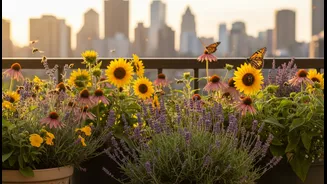
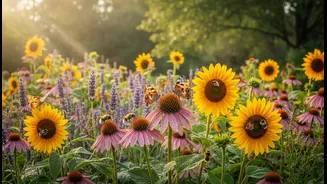
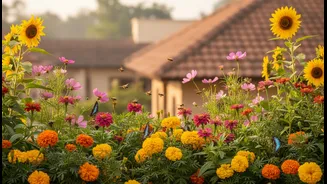
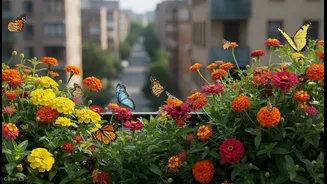
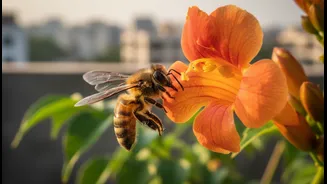
A pollinator garden does more than just add a splash of colour to your urban space. It becomes an active participant in the local ecosystem. These gardens provide essential food sources like nectar and pollen for bees, butterflies, and other beneficial
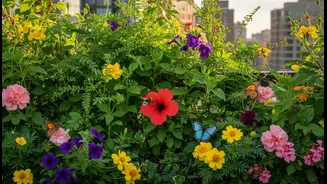
insects. In urban environments, which are often lacking in diverse habitats, a single balcony garden can act as a crucial 'pit stop' for these creatures. By creating these small sanctuaries, you are helping to connect fragmented habitats, supporting biodiversity, and contributing to the overall health of your local environment. It’s a powerful way to make your small space punch well above its weight, turning it from a simple decorative area into a dynamic, living ecosystem.
The Best Blooms for Indian Balconies
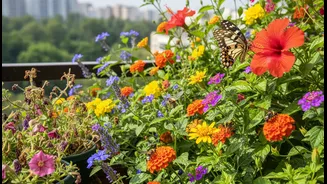
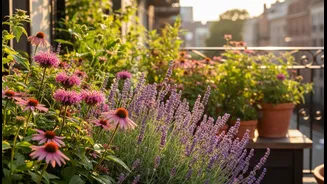
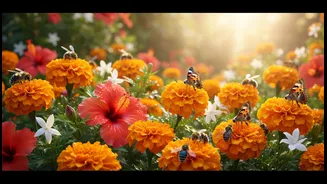
Choosing the right plants is key to attracting pollinators. Luckily, many beautiful and hardy options thrive in Indian climates and are perfectly suited for containers. Marigolds (Genda) are a fantastic choice; their bright, cheerful flowers are magnets for bees and they are famously low-maintenance. Tulsi (Holy Basil) is another powerhouse, valued not just for its medicinal properties but also for its small flowers that attract bees in large numbers. For a splash of colour and fragrance, consider Lavender, which is irresistible to bees and butterflies. Other excellent choices that do well in pots include Hibiscus, which provides plenty of nectar, the fast-growing Butterfly Pea vine, and colourful Zinnias. Herbs like Mint and Rosemary, when allowed to flower, also become an irresistible draw for pollinators.
Designing Your Mini Oasis
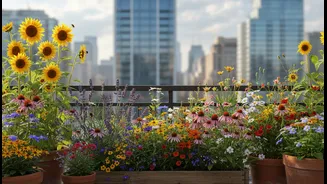
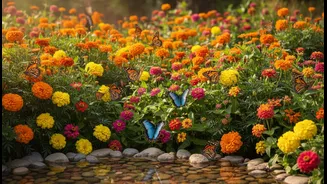
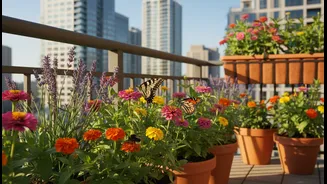
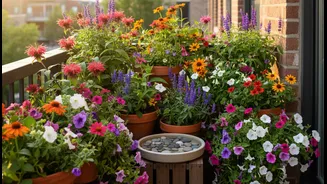
You don’t need a huge area to create an effective pollinator haven. The secret is smart design. Think vertically by using railing planters and hanging baskets for cascading flowers like Nasturtiums. Planting in clusters, even in a small pot, makes the flowers more visible and attractive to pollinators from the air. Aim for variety in colour, shape, and size to attract a wider range of visitors. It's also wise to plan for a continuous food supply by choosing plants that bloom at different times, ensuring your balcony offers nectar from spring through autumn. Finally, remember to provide a water source. A shallow dish filled with pebbles and a little water can serve as a safe drinking spot for thirsty bees and butterflies.
Go Chemical-Free for a Healthy Haven
One of the most important rules for a pollinator garden is to avoid chemical pesticides and herbicides. These substances can be harmful or even deadly to the very insects you are trying to attract. Instead, embrace natural pest control methods. Many pollinator-friendly plants, like marigolds, naturally repel certain pests. Should you face a pest issue, gentle remedies like a neem oil spray can be effective without harming beneficial insects. Relying on companion planting and natural compost made from kitchen waste will not only protect pollinators but also result in healthier, more resilient plants overall. This approach ensures your small garden is a genuinely safe and nourishing space for wildlife.