





Beyond the Traditional Cat Tree
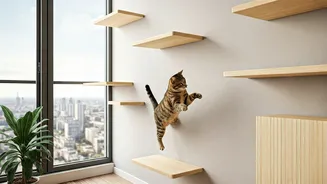
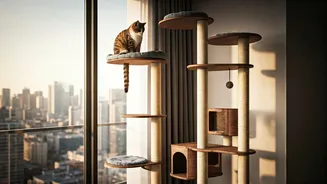
For years, the solution for an active indoor cat was a bulky, carpet-covered cat tree. While functional, they occupy precious floor space and don't always complement modern home aesthetics. The current trend moves the feline playground off the floor and onto
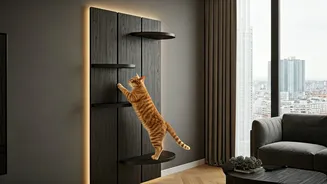
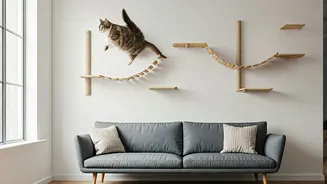
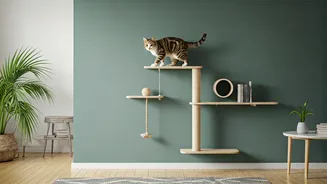
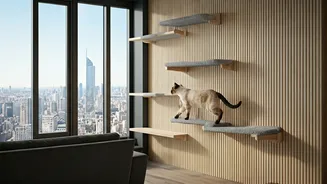
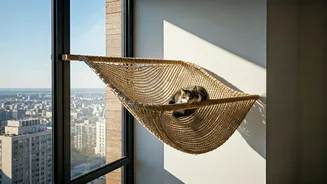
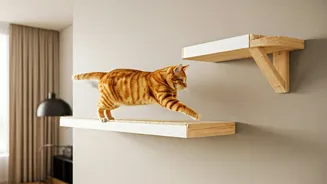
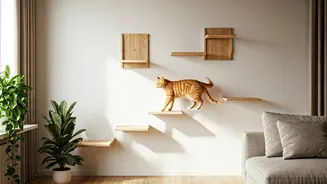
the walls. These systems, often called 'cat highways' or 'catios' (cat patios for the wall), involve a series of shelves, perches, and the star of the show: the vertical wall bridge. These bridges connect different high points in a room, creating an elevated superhighway that allows your cat to survey their kingdom from above. It’s a design-forward approach that recognizes a cat’s needs without forcing you to sacrifice your living room's style or square footage.
The Psychology of Climbing
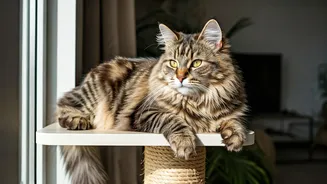
So, why the obsession with heights? It's not just a quirky feline habit; it’s a deep-seated instinct. In the wild, vertical spaces serve several crucial purposes for cats. Firstly, they are vantage points. From a high perch, a cat can observe its surroundings, keeping an eye on potential threats and opportunities without feeling exposed. This builds confidence and reduces anxiety. Secondly, height equals status in multi-cat households. The cat that secures the highest spot is often perceived as the dominant one, which can help establish a peaceful social order. Thirdly, it’s an escape route. A vertical perch offers a safe retreat from a boisterous dog, a curious toddler, or even just the vacuum cleaner. By providing this vertical territory, you’re not just giving them a toy; you're catering to their fundamental psychological needs.
A Design Win for Humans
Let’s be honest: pet ownership often involves aesthetic compromises. The beauty of vertical wall furniture is that it can be a win-win. These bridges and shelves are often crafted from natural materials like solid wood, sisal rope, and sturdy canvas, which can be integrated beautifully into contemporary, minimalist, or rustic decor. Instead of a piece of furniture you have to hide, a well-planned cat highway can become an interesting architectural feature—a piece of interactive art for your pet. By utilising vertical space, you free up the floor, making small apartments feel larger and less cluttered. It’s the ultimate fusion of pet-centric function and human-centric design.
Choosing the Right Skyway
When you decide to invest in a wall bridge, there are a few key factors to consider. First, material and construction. Look for solid wood shelves and bridges made with sturdy rope (like sisal, which is also great for scratching) and durable fabric. Avoid flimsy particleboard or poorly finished materials that could splinter. Secondly, check the weight capacity. Ensure the system is rated to hold well over your cat’s weight, especially if you have a larger breed or multiple cats who might use it at the same time. Finally, consider the design. Does your cat prefer wider, stable surfaces or are they a nimble climber who would enjoy the challenge of a wobbly rope bridge? Starting with a simple set of shelves leading to a short bridge can be a good way to test their interest.
Installation and Safety First
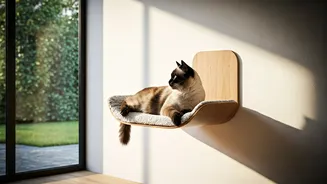
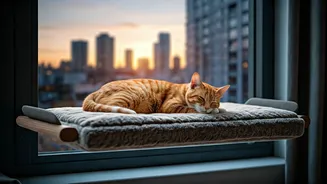
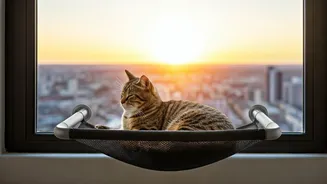
A cat highway is only as good as its installation. This is not a place to cut corners. The most critical step is to securely anchor every component into wall studs—the vertical wood beams inside your walls. Using only drywall anchors is a recipe for disaster, as they cannot support the dynamic weight of a jumping cat. Use a stud finder to locate these beams before you drill. Plan the layout carefully. Ensure the distance between shelves is manageable for your cat to jump comfortably. The bridge should be a path between two stable platforms, not a dead end. Consider placing parts of the highway near a window to provide what cat behaviourists call 'cat TV'—a safe and stimulating view of the world outside. A secure, well-planned installation ensures the wall bridge is a source of enrichment, not a safety hazard.