
Why Your Plants Need a Drink of Air
Many of the most popular houseplants in India, from vibrant Calatheas to elegant ferns, are native to tropical jungles where the air is thick with moisture. Our homes, especially with air conditioning or heating, are often far drier. This low humidity
forces plants to lose water from their leaves faster than their roots can absorb it, a process called transpiration. The tell-tale signs of this struggle are often mistaken for other issues: brown, crispy leaf tips, curling leaves, and slow or stunted growth. Providing a pocket of humidity can make the difference between a plant that merely survives and one that truly thrives.
The Simple Science of a Pebble Tray
A pebble tray is a wonderfully low-tech solution that works on the simple principle of evaporation. It's essentially a shallow dish filled with pebbles and water, with your plant pot resting on top. As the water in the tray evaporates, it increases the moisture in the air immediately surrounding the plant's foliage. The crucial part is that the pebbles elevate the pot, ensuring its base and drainage holes are not sitting directly in the water. This prevents the soil from becoming waterlogged, which could lead to root rot—one of the quickest ways to kill a beloved plant. It offers a consistent, gentle boost of humidity without the cost or maintenance of an electric humidifier.
Create Your Own Tray in Minutes
Making a pebble tray is incredibly easy and costs next to nothing. You likely already have what you need at home. First, find a shallow, waterproof tray or saucer that is wider than the base of your plant's pot; the wider the tray, the greater the surface area for evaporation. Next, fill the tray with a layer of small stones, pebbles, gravel, or even decorative glass marbles. You can find these at a local nursery or craft store, or simply collect smooth stones from a garden. Pour water into the tray until the level is just below the top of the pebbles. Finally, place your potted plant securely on top. The base of the pot must stay above the water line. That's it—your personal plant spa is ready.
Which Plants Will Thank You?
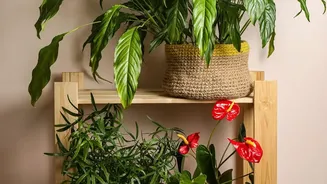
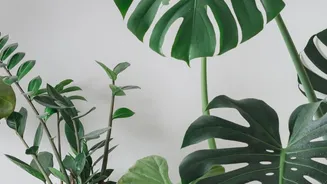
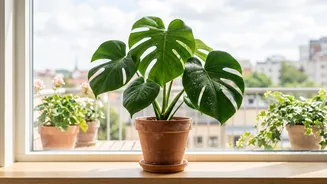
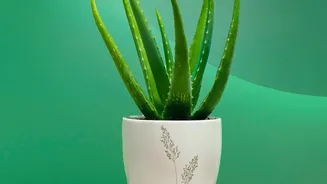
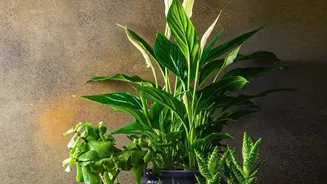
While most houseplants appreciate a bit of extra humidity, some are particularly grateful for the boost a pebble tray provides. Tropical plants are the prime candidates. Think of prayer plants (Calathea and Maranta), whose delicate leaves are prone to browning, and all types of ferns, which crave a moist environment. Orchids, Alocasias (Elephant Ear), Philodendrons, and Monsteras also flourish with the added moisture. Even common varieties like the Peace Lily (Spathiphyllum) and certain Dracaenas will show their appreciation with healthier, more vibrant foliage. On the other hand, succulents and cacti prefer dry conditions and should not be placed on a humidity tray.
Best Practices for a Healthy Setup
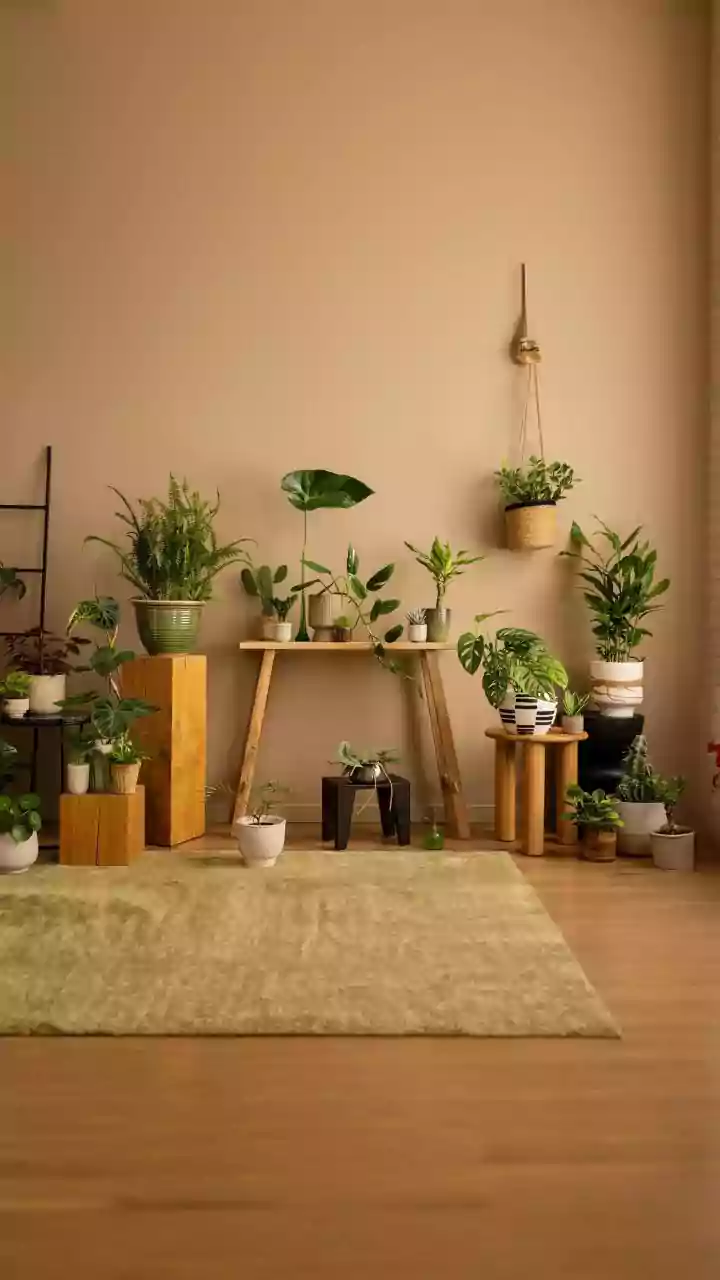
To get the most out of your pebble tray and avoid common pitfalls, a little maintenance is key. Check the water level every few days and top it up as it evaporates. The rate of evaporation will depend on the temperature and dryness of your room. It is also important to clean the tray and pebbles every few weeks. This prevents the buildup of algae, mineral deposits, and keeps potential pests like fungus gnats or mosquitos from making a home in the stagnant water. If you notice any buildup, simply give the pebbles and tray a good rinse with soap and water before reassembling. Grouping several humidity-loving plants together, each on their own tray, can further amplify the effect by creating a collective microclimate of moisture.