







Why 'Vegetarian Fatigue' Is So Common
A well-planned vegetarian diet is incredibly healthy, but it can quietly fall short on key nutrients that are vital for energy production. This isn't about the quantity of food, but the quality and combination of nutrients. Issues like low iron, Vitamin
B12 deficiency, and even inadequate protein can lead to persistent tiredness, weakness, and mental fog. In India, where a large portion of the population is vegetarian, these deficiencies are widespread and often go unnoticed, simply brushed off as the result of a long day or stress. But this constant state of low energy is your body signalling that it needs a nutritional tune-up.
The Iron Gap: More Than Just Palak
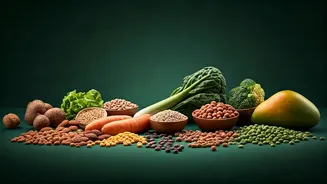
Iron deficiency is one of the most common causes of fatigue, especially among Indian women. While spinach (palak) and lentils (dal) are good, plant-based (non-heme) iron isn't absorbed as easily as the iron from meat. To make matters worse, common habits in India, like drinking tea or coffee with meals, can further block iron absorption. The solution is twofold: boost your intake and improve absorption. Load up on lentils, chickpeas, beans, tofu, ragi, and leafy greens. Crucially, pair these foods with a source of Vitamin C—like squeezing lemon over your dal, adding tomatoes to your spinach, or eating an amla or orange. This simple trick can significantly increase how much iron your body actually uses.
The B12 Blind Spot
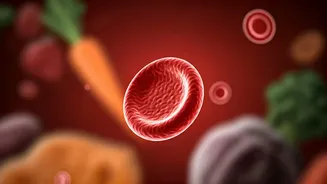
Vitamin B12 is essential for creating red blood cells and converting food into energy, and its deficiency is a major cause of fatigue, nerve issues, and memory problems. The challenge is that B12 is found almost exclusively in animal products. For lacto-vegetarians, dairy products like milk, curd, and paneer provide some B12, but often not enough to meet daily needs. Studies show that a very high percentage of Indian vegetarians are B12 deficient. Fermented foods like idli and dosa provide negligible amounts. Therefore, incorporating B12-fortified foods like certain breakfast cereals, some soy milks, and nutritional yeast is a smart strategy. Many will need to consider a B12 supplement to truly bridge this gap.
Protein and Vitamin D: The Energy Partners
Fatigue isn't just about vitamins; protein is a crucial building block for sustained energy. A diet heavy on refined carbs without enough protein can cause energy spikes and crashes. Ensure every meal contains a good protein source like paneer, tofu, lentils, beans, Greek yogurt (hung curd), or nuts. Another widespread issue in India, despite ample sunshine, is Vitamin D deficiency. This vitamin is vital for bone health and immunity, and low levels are linked to fatigue and body aches. While some foods are fortified, safe sun exposure and, if necessary, supplementation are the most reliable ways to get enough.
Your Anti-Fatigue Action Plan
Combating fatigue is about smart, consistent habits. Start by building your plate around nutrient-dense whole foods. Instead of simple carbohydrates like white rice, opt for complex carbs like millets (ragi, bajra), oats, and brown rice for a slow, steady release of energy. Snack on almonds, walnuts, or roasted makhana instead of fried items. Hydration is also key; even mild dehydration can cause fatigue. Focus on balanced meals that include a protein, a healthy fat, and lots of colourful vegetables. This approach ensures you're not just filling your stomach but truly nourishing your body for lasting energy.