






The Magic of Scrap Stock
At its core, a vegetable scrap stock is a broth made by simmering the peels, ends, skins, and stems of vegetables that are typically thrown away. Instead of heading for the compost or bin, these humble trimmings are given a second life. This zero-waste
approach not only saves money on store-bought broth but also gives you complete control over the flavour and sodium content of your cooking base. The process extracts water-soluble vitamins and minerals from the scraps, creating a nutrient-dense liquid that is far more complex and flavourful than plain water. It’s a foundational technique in sustainable kitchens, turning what most consider garbage into a delicious, homemade staple.
Building Your Flavour Foundation
The key to a great scrap stock is knowing what to save. Start by keeping a large, resealable bag or container in your freezer. As you cook throughout the week, simply add your clean scraps to the bag. The best items for a balanced, savoury stock include the papery skins of onions and garlic, which add deep colour and flavour. Carrot peels and ends contribute sweetness, while celery bottoms and leafy tops provide a classic aromatic base. Don’t forget mushroom stems for umami depth, leek tops for a mild oniony note, and the stems from fresh herbs like parsley and thyme to add brightness. Even corn cobs can be saved to impart a subtle sweetness to your final broth.
What Scraps to Leave Out
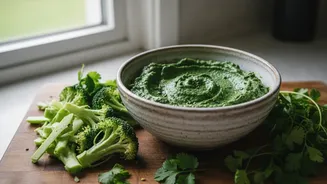
Just as important as knowing what to include is knowing what to avoid. Certain vegetables can negatively impact the taste and appearance of your stock. The main culprits are cruciferous vegetables like broccoli, cauliflower, cabbage, and Brussels sprouts. When simmered for a long time, they can release bitter compounds and a sulphur-like aroma that can overwhelm the broth. It's also wise to omit starchy potato peels, which can make the stock cloudy and gummy. Other strong-flavoured vegetables like bell peppers or artichokes can be overpowering, while beet scraps will turn your stock a vibrant pink. And, of course, never use any scraps that are moldy, rotten, or dirty.
The Art of the Gentle Simmer
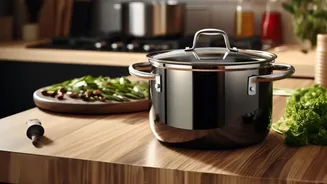
Once your freezer bag is full (aim for about 8 to 10 cups of scraps), making the stock is incredibly simple. Empty the frozen scraps into a large stockpot and cover them with cold water, adding an extra inch or two of water on top. For added complexity, you can toss in a bay leaf and a few whole peppercorns. Bring the pot to a boil, then immediately reduce the heat to a low simmer. Let it gently bubble away, partially covered, for at least one to two hours to allow the flavours to fully infuse the water. Afterward, carefully strain the liquid through a fine-mesh sieve, pressing on the solids to extract every last drop of broth. The spent scraps can then be composted.
The Perfect Partner: Hearty Grains
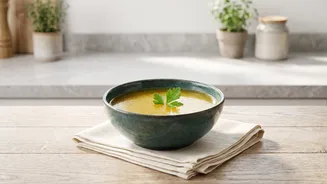
This homemade stock is the ideal cooking liquid for creating deeply satisfying grain soups. While water gets the job done, scrap stock infuses every single grain with nuanced, savoury flavour from the very start of the cooking process. As whole grains like barley, farro, wheat berries, or brown rice simmer in the stock, they absorb its complex character, transforming from a simple starch into a delicious component of the soup. Furthermore, as these grains cook, they release starches that naturally thicken the broth, giving the soup a hearty, luscious body without the need for flour or cornstarch. This synergy is what makes the combination so successful: the stock provides the flavour, and the grains provide the substance.
Simple Soup Inspirations
Putting it all together is the fun part. Start a soup by sautéing a fresh mirepoix (diced onion, carrot, and celery) in your pot. Pour in your freshly made scrap stock and bring it to a simmer. From there, you can add your grain of choice. Chewy barley is a classic for a reason, creating a rustic and filling soup. Farro and spelt offer a nutty flavour and pleasant bite. For a quicker soup, consider quinoa or bulgur. Feel free to add canned beans, lentils, or leftover roasted vegetables toward the end of cooking. Season with salt, pepper, and fresh herbs, and you’ll have a hearty, healthy, and incredibly resourceful meal born from ingredients you once threw away.