

As dusk settles over India’s bustling cities, a new routine is taking shape. The gentle hum of evening joggers and the chatter of friends gathering on the grass are replacing the sounds of traffic for many young professionals. What's behind this shift?
The New Social Hub
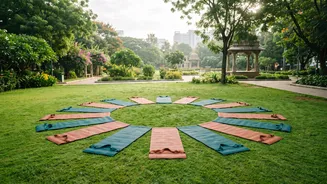
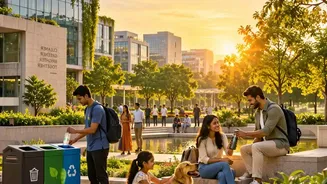
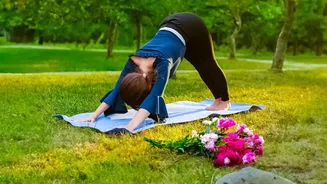
Across metro cities like Mumbai, Delhi, and Bengaluru, public parks are being reborn as the new 'third place'—a crucial social environment outside of home and the office. For a generation grappling with urban loneliness and the isolation of remote work, these green spaces offer a low-pressure, inclusive alternative to cafes or bars. The shared activity, whether it's a brisk walk, a game of badminton, or a group yoga session, provides a natural conversation starter, allowing friendships to form organically. This sense of community is a powerful antidote to the anonymity of city life, helping individuals forge genuine connections and rebuild a sense of belonging.
Fitness Beyond the Gym Walls
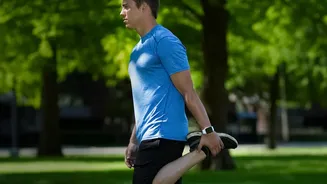
A major driver of this trend is the move away from expensive, enclosed gyms. Young professionals are increasingly opting for the accessibility and affordability of outdoor fitness. Parks require no membership fee and no specialised equipment beyond a pair of comfortable shoes, making wellness accessible to everyone, regardless of their income or fitness level. Municipal bodies have also fueled this movement by installing free-to-use open-air gyms, which have become popular fixtures in many urban parks. This blend of fresh air, natural scenery, and physical activity has been shown to reduce stress, boost mood, and improve mental clarity, benefits that an indoor gym often cannot replicate.
A Post-Pandemic Wellness Awakening
The COVID-19 pandemic and its lockdowns created a newfound appreciation for public spaces and outdoor activities. Confined to their homes, many people realised the immense value of accessible green areas for both physical and mental well-being. This period also brought a heightened awareness of health, particularly among younger urban Indians who are increasingly facing lifestyle diseases like diabetes and hypertension at an early age. For many, an evening walk or run in the park has become a conscious choice to reclaim their health, offering a natural antidote to the stresses of sedentary desk jobs and long work hours. It creates a clear boundary between professional and personal time, serving as a mental reset at the end of the day.
From Solo Exercise to Community Sport
The nature of exercise itself is evolving from a solitary task into a social experience. While the traditional morning walk was often a quiet, individual pursuit, today's park activities are diverse and community-oriented. In cities like Hyderabad and Pune, recreational running clubs and community fitness groups are booming, using platforms like WhatsApp and Instagram to coordinate meetups. This digital coordination helps turn neighbourhood activities into larger communities, allowing strangers to connect over a shared interest in a healthy, active lifestyle. The accountability and motivation that come from being part of a group make it easier for people to stick with their fitness routines.
Reclaiming the Urban Landscape
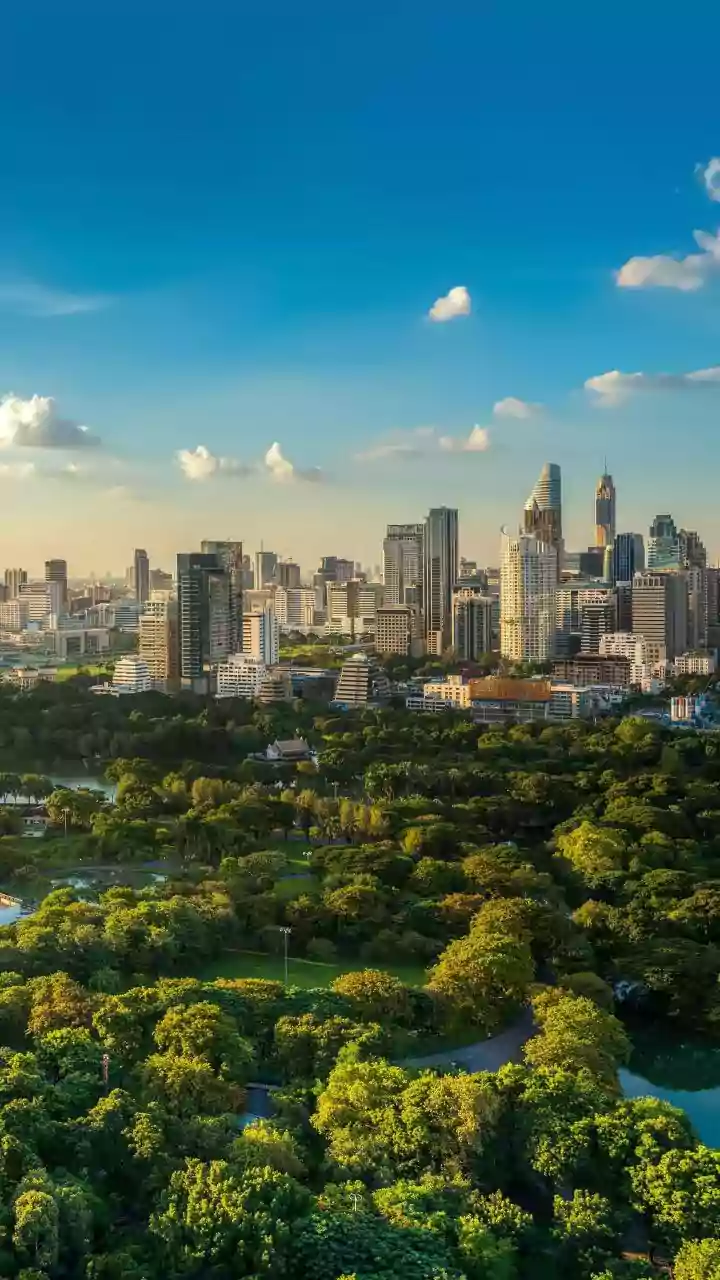
This trend is also about young people actively reclaiming and exploring their cities. An evening walk offers a new perspective on familiar streets and neighbourhoods, revealing architectural details and hidden green spaces often missed from a car or bus. These groups are transforming the city itself into a landscape for discovery and connection. As more people embrace outdoor fitness, it also highlights the growing need for safe, well-lit, and accessible public spaces. The rise of these evening gatherings is not just a trend but a clear signal to urban planners about the vital role that wellndmaintained parks play in the health and social fabric of a city.