


At first glance, sweet potatoes and chestnuts seem to occupy a similar space in our kitchens, especially when the weather cools. Both offer a comforting sweetness, but treating them the same way can lead to culinary disappointment.
The Fundamental Texture Divide
The most significant
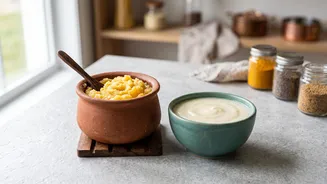
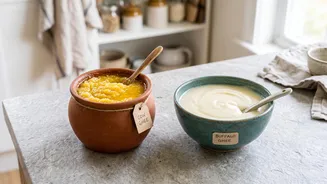
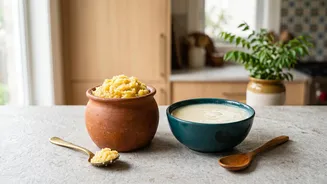
difference between a sweet potato (or shakarkandi) and a chestnut lies in their texture, which is dictated by their internal structure. A sweet potato is a root tuber, and when cooked, its flesh becomes soft, creamy, and moist. This is because its starches break down into a smoother, almost purée-like consistency. Chestnuts, on the other hand, are the fruit of a tree. They have a higher starch and fibre content, which gives them a denser, firmer, and more crumbly or floury texture when cooked. Trying to mash a chestnut will give you a coarse, grainy paste, not the silky smoothness of a sweet potato. This textural difference is why sweet potatoes are brilliant for mashes, creamy soups, and fillings, while chestnuts excel at providing a firm, toothsome bite in stuffings and stews.
A Tale of Two Sweetnesses
Both are sweet, but their sweetness is not interchangeable. The sweetness in a sweet potato comes from enzymes that convert its starches into maltose, a type of sugar, during cooking. This process is enhanced by slow cooking, which is why a long-roasted sweet potato tastes so intensely caramelized and candy-like. This deep, earthy sweetness is a hallmark of dishes like shakarkandi ki chaat, where it pairs beautifully with tangy and spicy chutneys. Chestnuts possess a more subtle, nutty sweetness. Their flavour is less about caramelization and more about a gentle, starchy richness. When roasted, they become fragrant and slightly sweet, but they never reach the gooey, syrupy state of a baked sweet potato. Understanding this helps you season them appropriately; the robust sweetness of a sweet potato can handle bold spices, while chestnuts benefit from complementary flavours like herbs, butter, or subtle citrus.
Roasting: Same Method, Different Goals
Roasting is a popular method for both, but the intended result is completely different. When you roast a sweet potato, you are aiming for a tender, collapsed interior and a concentrated, sugary flavour. Recipes often call for roasting until soft, which can take an hour or more. When a recipe says to roast chestnuts, the goal is to cook them through, make them easy to peel, and develop their nutty aroma. This takes a much shorter time, often around 15-25 minutes. Over-roasting chestnuts will make them dry and hard, not sweeter and softer. This is the core of 'reading the cooking method': the verb 'roast' means one thing for a moist tuber and another for a dense nut. The technique is the same, but the expected outcome is entirely different based on the ingredient's properties.
The Nutritional Nuances
Nutritionally, they also follow different paths. Sweet potatoes are famously rich in beta-carotene, which the body converts to Vitamin A, and are a great source of complex carbohydrates that provide sustained energy. Chestnuts stand out among nuts for being relatively low in fat while offering significant dietary fibre, Vitamin C, and B vitamins. Though both are considered healthy carbohydrate sources, chestnuts have more calories and carbs per 100 grams than sweet potatoes. While sweet potatoes are a versatile vegetable staple, chestnuts are more of a starchy nut that can take the place of other carbs like potatoes or bread in a meal.
Reading the Recipe and Your Ingredients
The phrase 'cook until tender' is where many home chefs get into trouble. For a sweet potato, 'tender' means easily pierced and soft all the way through. For a chestnut, 'tender' simply means cooked enough to be pleasant to eat, not mushy. A recipe might instruct you to combine both in a dish, but it will almost always require cooking them separately or adding them at different stages because their cooking times and ideal textures vary so widely. The key takeaway is to stop treating recipes as rigid instructions and start seeing them as guides. Understand the nature of your ingredients first. Is it wet or dry? Starchy or sugary? By knowing that a sweet potato brings moisture and creamy sweetness while a chestnut brings a firm texture and nutty flavour, you can make smarter substitutions and adjustments without overstating the results.