




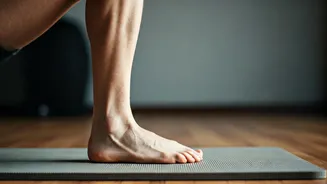



Why Go Barefoot?
Running without shoes, often called “natural running,” is more than just a trend; it’s a return to how our bodies are fundamentally designed to move. The primary benefit lies in proprioception—your body’s ability to sense its position in space. With over
200,000 nerve endings, the soles of your feet are incredibly sensitive. When you run barefoot, they send a constant stream of feedback to your brain about the terrain, allowing you to make micro-adjustments to your stride, balance, and foot placement. This can lead to a more efficient and natural running form. Proponents argue that conventional running shoes, with their heavy cushioning, dull this feedback, potentially contributing to injuries by allowing runners to strike the ground with excessive force, particularly on their heels.
The Cardio Connection
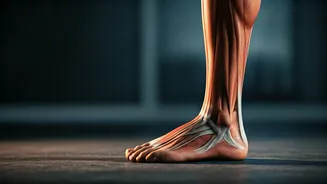
So, is it the “perfect” summer cardio? It can be. Running in any form is an excellent cardiovascular exercise, improving heart health, boosting endurance, and burning calories. Barefoot running adds another layer. Because you are more mindful of your form and the ground beneath you, you’re engaging more muscles. The small stabiliser muscles in your feet, ankles, and lower legs, which are often underused in cushioned shoes, have to work harder. This increased muscle engagement can make your workout more intense and holistic. You may find you can’t run as far or as fast initially, but the quality of the workout, measured by muscle activation and mindful movement, can be superior. The key is that it forces you to focus on *how* you run, turning a mindless jog into a full-body, engaged activity.
A Necessary Reality Check on Risks
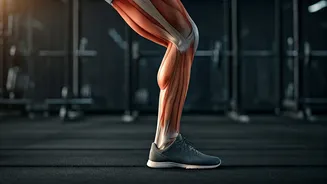
Before you ditch your trainers for good, it’s crucial to understand the risks. The modern world is not designed for barefoot travel. Park grass may hide sharp stones, broken glass, or other hazards that could cause cuts, puncture wounds, or infections. Furthermore, our feet have been protected by shoes for most of our lives, making the skin on our soles soft and the intrinsic muscles weak. Transitioning too quickly is a common mistake that leads to injuries. The most frequent issues include stress fractures in the metatarsals (the long bones in your feet), Achilles tendinitis, and plantar fasciitis. This happens because barefoot running typically encourages a forefoot or midfoot strike, which reduces impact on the knees but increases the load on the calf and Achilles tendon. Your body needs time to adapt to this new stress.
Your Guide to Getting Started Safely
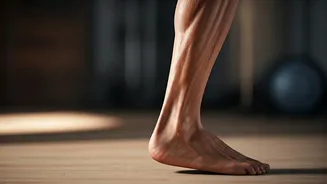
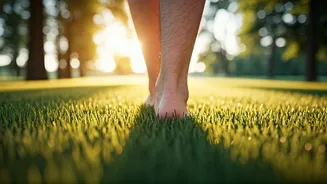
Patience is your best friend. A successful transition to barefoot running is measured in months, not days. Start by simply walking barefoot on safe, familiar surfaces like your lawn or a clean, well-maintained park. This alone will begin to toughen your soles and strengthen your foot muscles. When you’re ready to run, begin with very short intervals. Try running for just one or two minutes on a soft, predictable surface like the grass of a football field. Then, put your shoes back on and finish your workout. Pay close attention to how you feel during and after. Any sharp pain is a sign to stop immediately. The goal is to feel the ground, not to punish your feet. Focus on landing lightly and quietly, keeping your stride short and your cadence (steps per minute) high.
Building Strength and Endurance
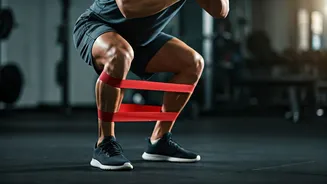
As your feet and lower legs adapt, you can gradually increase the duration of your barefoot intervals. A good rule of thumb is the 10% rule: don't increase your weekly barefoot distance or time by more than 10%. To support your transition, incorporate foot-strengthening exercises into your routine. Simple activities like picking up a small towel with your toes, doing calf raises, and balancing on one foot can make a significant difference. Listen to your body above all else. Some days your feet will feel great; other days, they might be sore. It’s okay to take extra rest days or stick to shoes when you’re not feeling 100%. The journey is personal, and progress isn’t always linear.