
Why Good Drainage is Non-Negotiable
Before diving into the fixes, it's crucial to understand why drainage is so important. When water has nowhere to go, it saturates the soil, cutting off the oxygen supply to the roots. Plant roots need to breathe just as much as they need water. Without
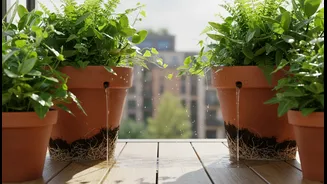
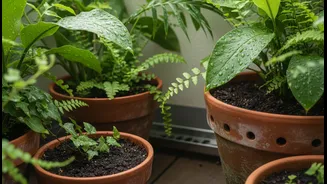
oxygen, roots begin to decay, leading to a condition called root rot. The signs are often misleading: leaves may turn yellow or wilt, making you think the plant is thirsty when it's actually drowning. Poor drainage also encourages fungus and pests and can lead to a buildup of salts from tap water and fertilisers, further stressing your plants. Proper drainage ensures that excess water flows away, allowing air back into the soil and keeping roots healthy, strong, and capable of absorbing the nutrients they need to flourish.
Start with the Right Pot
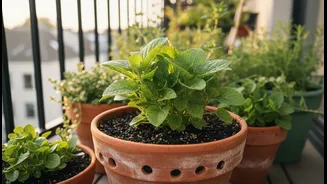
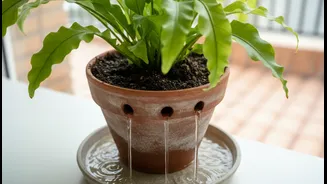
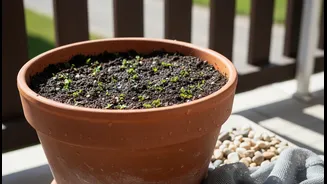
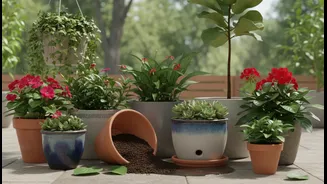
The simplest fix begins with your choice of container. Always select a pot with at least one drainage hole at the bottom; multiple holes are even better. If you've fallen in love with a decorative pot that has no holes, you have a couple of options. You can either drill holes yourself, or use it as a 'cachepot' — a decorative outer container. Simply place a slightly smaller plastic pot with drainage holes inside the decorative one. After watering, you can easily lift the inner pot out to discard any excess water that has collected. The material of the pot also matters. Porous materials like terracotta allow water to evaporate through their walls, which helps the soil dry out faster, making them ideal for plants that prefer drier conditions. Non-porous plastic or glazed ceramic pots retain more moisture, suiting plants that like to stay consistently moist.
Elevate Your Pots for Better Airflow
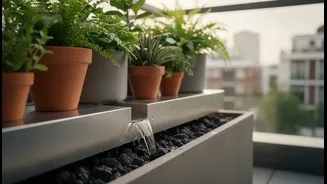
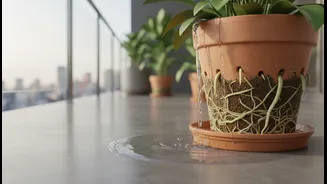
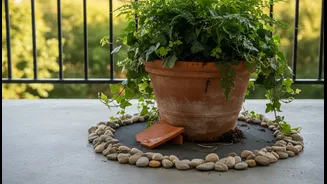
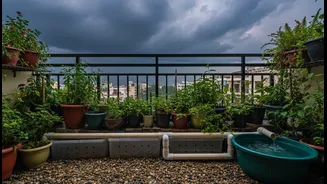
One of the easiest and most effective changes you can make is to lift your pots off the ground. When a pot sits directly on a flat balcony floor or a solid saucer, the drainage hole can easily become blocked, trapping water inside. Elevating the container even by a centimetre allows air to circulate underneath and ensures water can escape freely. You can buy specialised 'pot feet,' which are small supports placed under the container. Alternatively, simple items like bricks, flat stones, or even bottle caps can do the job perfectly. This small adjustment prevents the pot from sitting in a puddle of its own runoff water, a common cause of waterlogged soil. Make sure to regularly empty any water that collects in detachable saucers to prevent the soil from reabsorbing it.
Create a Well-Draining Potting Mix
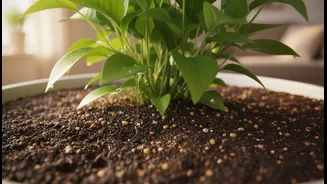
The soil you use is just as important as the pot itself. Standard garden soil is often too heavy and dense for containers, compacting easily and retaining too much water. Always use a high-quality potting mix specifically designed for containers. To further boost drainage, you can amend your mix by adding coarse materials that create air pockets. Perlite, a lightweight volcanic glass, is an excellent choice for improving aeration and drainage. You can also mix in coarse sand or coco coir (pith), which helps create a lighter, more porous structure that water can flow through easily. A good rule of thumb is to aim for a mix where water drains quickly when you test it. If water pools on the surface for a long time, the mix is too dense.
Debunking the Gravel Myth
For years, gardeners were told to add a layer of gravel, stones, or broken pottery to the bottom of pots to improve drainage. However, modern horticulture has shown this to be a myth that actually worsens the problem. This is due to a phenomenon called a 'perched water table'. Water does not move easily from a fine-textured material (like soil) to a coarse-textured one (like gravel). Instead of flowing down into the gravel, the water stops and collects in the soil just above it, creating a saturated zone. This effectively raises the soggy bottom layer of the pot, bringing it closer to the plant's delicate roots and reducing the amount of healthy, aerated soil available to them. For truly effective drainage, it is always better to have a uniform potting mix from top to bottom and a clear exit for water through the drainage holes.