




The Unseen Damage Below the Surface
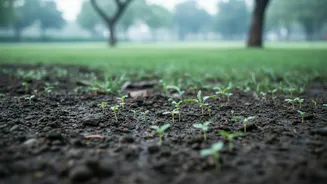
When a garden floods, our attention is drawn to the visible signs: flattened plants, eroded soil, and muddy leaves. However, the most significant damage occurs at a microscopic level. Floodwaters saturate the soil, cutting off oxygen. This creates an anaerobic
environment where the beneficial aerobic bacteria—the microscopic workhorses that keep soil healthy—begin to die off within 48 to 72 hours. This shift dramatically alters the soil's delicate ecosystem, favouring anaerobic microbes, some of which can be harmful to plants. This sudden change disrupts nutrient cycles, impacts soil structure, and can leave plants vulnerable to disease.
Why Healthy Soil Microbes Matter
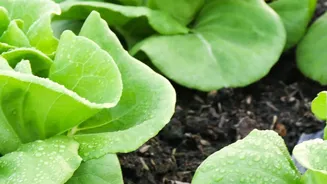
Think of your garden soil as a bustling city populated by billions of bacteria, fungi, and other microorganisms. This soil microbiome is essential for a thriving garden. Beneficial microbes break down organic matter into nutrients that plants can absorb, improve soil structure to allow for better drainage and aeration, and even help protect plants from pathogens. When flooding wipes out a large portion of this beneficial community, the soil loses its vitality. Plants may show signs of stress like yellowing leaves or wilting, not from a lack of water, but because their roots are suffocating and the nutrient supply chain has been broken.
Immediate Steps After the Water Recedes
Once it is safe to enter your garden, the first priority is to help the soil breathe again. Avoid walking on saturated soil, as this will compact it further and cause more damage to plant roots. If there is standing water, try to create channels or furrows to help it drain away. Gently rinse mud and silt off plant leaves and stems, as this debris can block sunlight and hinder photosynthesis. It's also wise to wear protective clothing like gloves and boots, as floodwaters can carry contaminants.
The Scientific Path to Recovery
Restoring the soil's microbial population is the most critical long-term step. Research shows this is not about adding chemical fertilisers, which can cause more stress to weakened plants. Instead, the focus should be on rebuilding the ecosystem. Once the soil is workable—meaning it crumbles when squeezed rather than dripping water—gently aerate it with a garden fork. The most important addition you can make is high-quality organic matter. Generously apply a layer of compost or well-rotted manure. This 'inoculates' the soil, reintroducing a diverse population of beneficial microbes and providing them with the food they need to thrive.
Rebuilding with Mulch and Patience
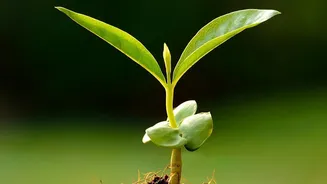
After applying compost, add a layer of organic mulch, like wood chips or leaf mould. This helps regulate soil temperature, suppress weeds, and slowly breaks down to feed the recovering microbial community. Research suggests that while the soil ecosystem is resilient, recovery is not instant. It can take months for the microbial balance to be fully restored. During this period, hold off on major pruning, as plants need their leaves to generate energy for recovery. Only remove branches that are clearly broken or dead. Similarly, avoid replanting immediately; give the soil at least 60 days to rest and heal.