

Beyond the Bench Press
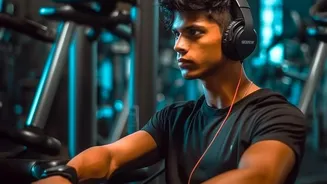
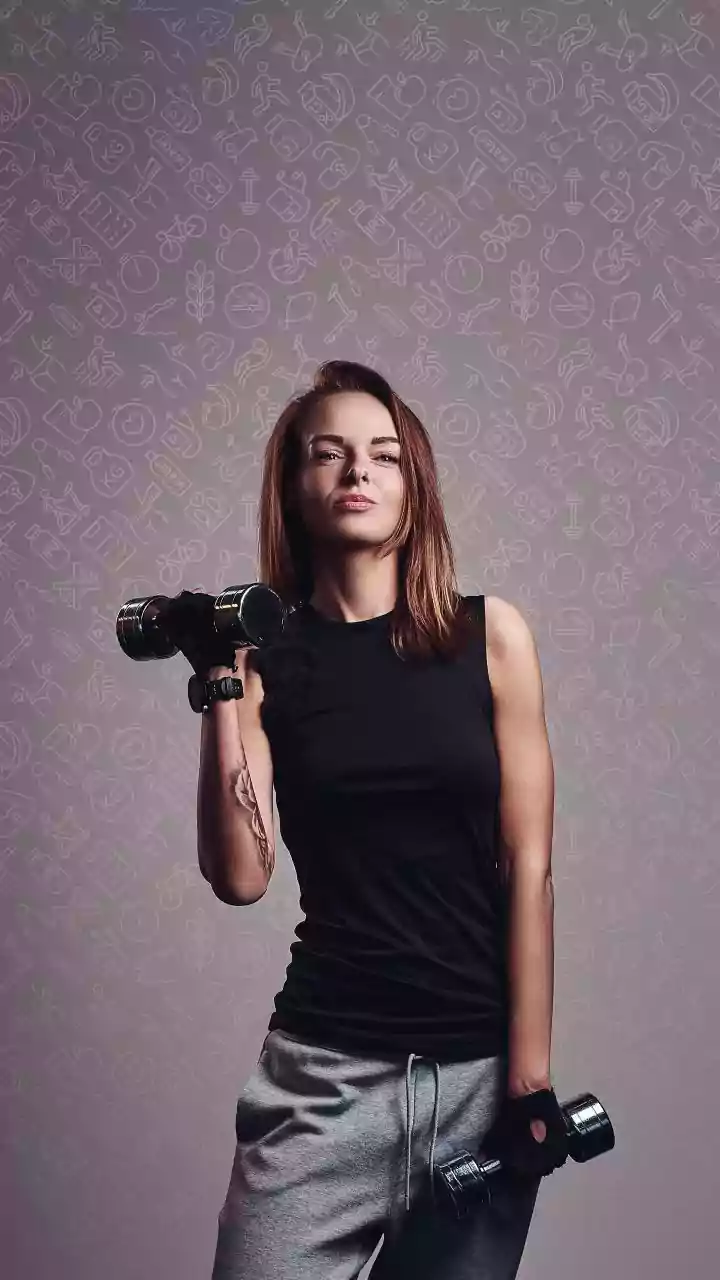
For years, the urban fitness landscape has been dominated by a Western model: chrome machines, high-intensity interval training (HIIT), and protein shakes. But a growing cohort of young Indians is finding this approach lacking. They are seeking more than
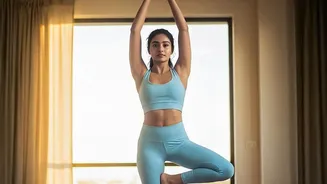
just aesthetic gains or calorie counts; they are searching for a deeper connection between mind, body, and spirit. This has led them away from the conventional gym and into the world of traditional Indian physical culture. This shift is driven by a desire for holistic wellness over mere workouts, championing balance and restoration over relentless striving. After witnessing the rise of lifestyle-related diseases, many in Gen Z are prioritising preventative health, a core principle of ancient Indian wellness philosophies.
The Ancient Arts Making a Comeback
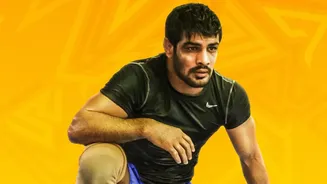
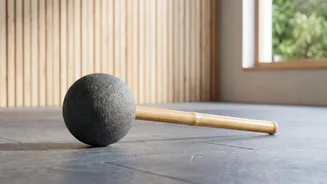
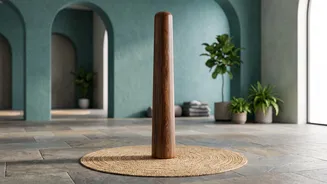
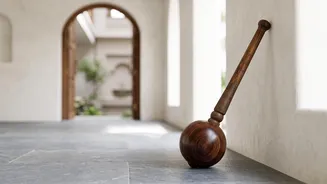
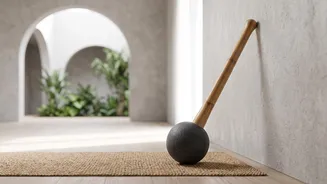
Several centuries-old practices are at the forefront of this revival. Kalaripayattu, a martial art from Kerala believed to be one of the oldest in the world, is gaining immense popularity. With its fluid, animal-inspired movements, weapon-based techniques, and emphasis on mental focus, it offers a comprehensive system of combat and self-improvement. Another visually stunning discipline is Mallakhamb, a form of gymnastics performed on a vertical wooden pole or rope. Once a training method for wrestlers, it builds incredible strength, flexibility, and balance, and has been gaining widespread recognition through government initiatives like Khelo India. In northern India, the traditions of the akhada, or wrestling arena, are also being rediscovered. Young fitness enthusiasts are embracing foundational exercises like Dand (Hindu push-ups) and Baithak (Hindu squats), and training with the Gada (mace), an ancient tool for building functional, full-body strength.
The Digital Age Meets Ancient Wisdom
Paradoxically, this return to tradition is being powered by the most modern of tools: social media. The spectacular acrobatics of Mallakhamb and the powerful, flowing movements of Kalaripayattu are perfectly suited for Instagram Reels and YouTube shorts. Influencers and practitioners are showcasing these arts to a new generation, demystifying them and building digital communities. For a generation that uses apps to track everything from steps to sleep, the visual appeal and cultural authenticity of these practices offer a refreshing form of self-expression and social connection. It’s a way to connect with their roots while creating content that is both impressive and meaningful. This digital presence helps bridge the gap between ancient guru-shishya traditions and the hyper-connected world of Gen Z.
Wellness as Cultural Identity
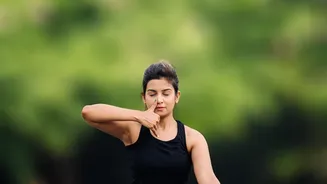
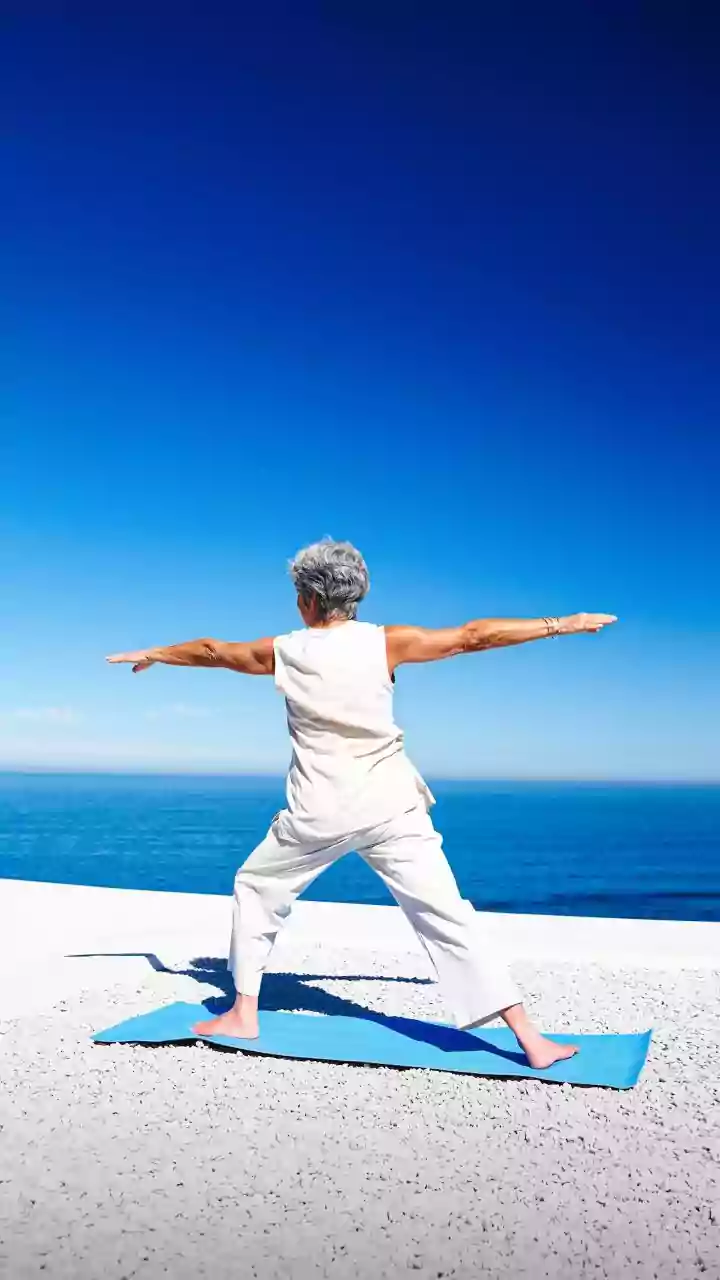
At its heart, this trend is about more than just fitness. It's a form of cultural reclamation. For many young Indians, embracing Kalaripayattu or swinging a Gada is a way to connect with their heritage in a tangible, powerful way. In a globalised world, these practices offer a unique identity rooted in Indian wisdom. They represent a move away from a one-size-fits-all approach to wellness toward something more personalised and authentic. This generation is not just adopting these practices; they are reinterpreting them. They might practice yoga and pranayama for mental clarity, use Ayurvedic principles for nutrition, and swing a mudgar for strength, creating a hybrid wellness routine that is both ancient and thoroughly modern.