
The Waning Perseid Meteor Shower
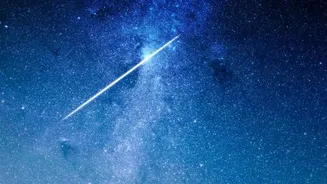
The famous Perseid meteor shower had its spectacular peak around August 12-13. However, the show is not entirely over. The shower remains active until about August 24. While the number of meteors will have decreased significantly from the peak's 100-per-hour
rate, you can still catch some of these bright shooting stars in the late-night and pre-dawn hours. For your best chance, find a location away from city lights after midnight. Let your eyes adjust to the darkness for at least 20-30 minutes and look towards the northern sky. These meteors are particles from the Comet Swift-Tuttle, burning up as they enter our atmosphere at incredible speeds. Though fewer in number now, a lingering Perseid can still provide a thrilling streak of light across the sky.
The Full Sturgeon Moon
Mark your calendars for the Full Moon on Friday, August 28, 2026. This month's full moon is traditionally known as the Sturgeon Moon, a name given by Native American tribes because the giant sturgeon fish were most readily caught in North American lakes during this time of year. In India, you can enjoy the sight of the bright, full lunar disk rising in the east shortly after sunset. The full moon will officially occur at 9:48 AM IST, meaning it will be at its most illuminated during daylight hours for India. However, it will still appear perfectly full and spectacular to the naked eye on both the night of August 27 and the night of August 28, offering a great opportunity for photographers and casual observers alike. A partial lunar eclipse will coincide with this full moon, but it will not be visible from India, as the event occurs when it's daytime here. Still, the brilliance of the full moon itself is a worthy spectacle.
Planets in the Night Sky
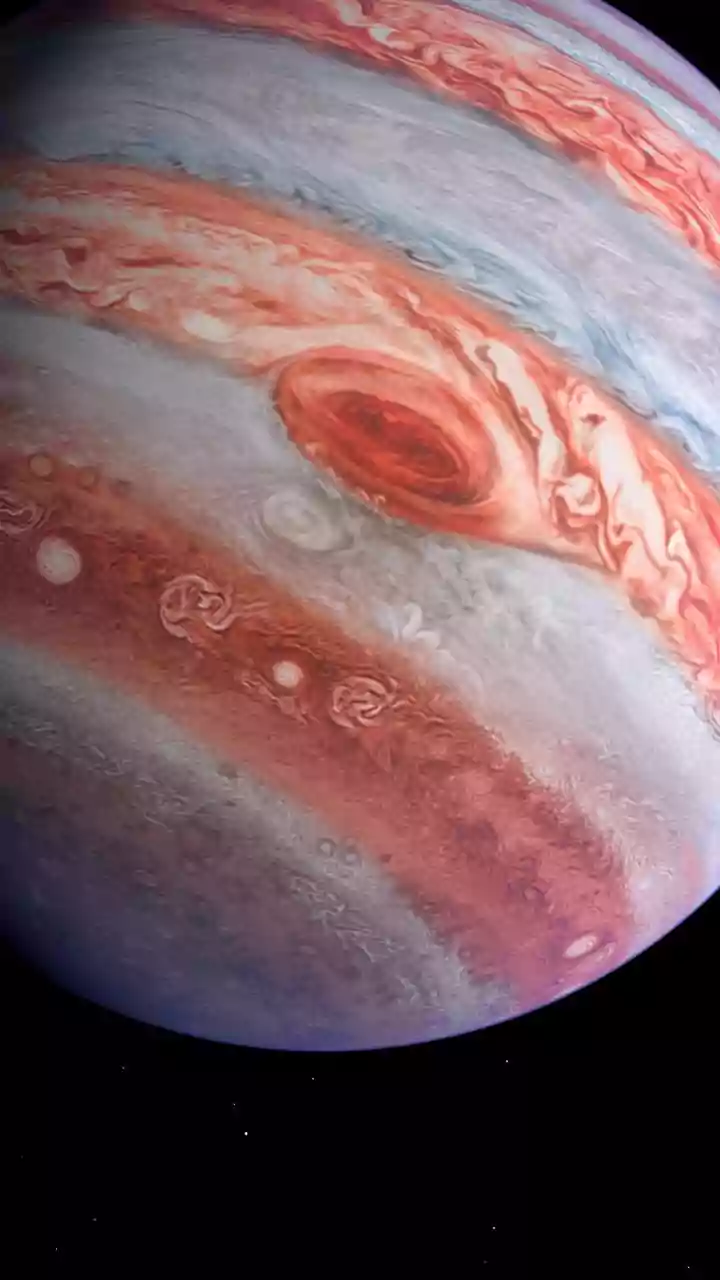
While the grand six-planet alignment was a pre-dawn highlight around August 12-13, several of these worlds remain visible. Throughout late August, you can still spot bright planets in the sky. Look for brilliant Jupiter and the distinctly reddish Mars in the pre-dawn eastern sky. Saturn is also a feature of the night. Using a stargazing app on your phone, such as Stellarium or Star Walk 2, can be an immense help. These apps use your phone's location to show you exactly where to look for planets, constellations, and other celestial objects in real-time. Even without a telescope, being able to identify these neighbouring worlds as steady points of light, distinct from the twinkling stars, is a rewarding experience.
Tips for Urban Stargazing
Watching the sky from a bustling Indian city can be challenging due to light pollution and, during this season, the monsoon clouds. However, it's not impossible. The key is to maximise your chances. First, try to get as high up as you can—a rooftop or a balcony with an unobstructed view is ideal. Second, give your eyes time to adapt. It takes about 20 to 30 minutes for your pupils to fully dilate and adjust to the dark, which will help you spot fainter objects. Third, be patient. Stargazing is an activity of quiet observation. Finally, watch the weather. Look for forecasts that predict a break in the monsoon clouds. Even a few hours of clear sky can provide a wonderful window to the cosmos. While remote locations like Ladakh or the Rann of Kutch offer the darkest skies, you can still connect with the universe from your own corner of the city.