




Why the Big Change Now?
For decades, eating on a train in India has been a gamble. Complaints ranging from cold, tasteless food and unhygienic preparation to blatant overcharging have been a constant thorn in the side of both passengers and railway authorities. Despite previous
attempts at reform, issues have persisted, leading to a steady erosion of trust in railway catering. This new initiative is the most robust attempt yet to tackle the problem at its roots, driven by a surge in passenger feedback and the availability of new technology to enforce standards from the kitchen to your seat. The goal is simple: make train food safe, hygienic, and reliably good.
Inside the New Inspection System
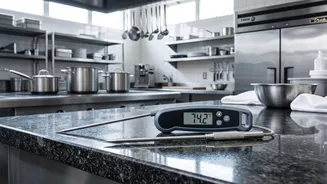
The term 'enhanced checks' refers to a multi-layered system designed to monitor food at every stage of its journey. The first line of defence is at the source: the base kitchens where the meals are prepared. Many of these kitchens are now being equipped with AI-powered camera systems that monitor operations 24/7. These smart systems can automatically detect and flag violations of hygiene protocols, such as staff not wearing caps or gloves, ensuring that standards are maintained even when no supervisor is physically present. This is a significant step up from manual and infrequent spot-checks of the past.
Traceability on Your Tray
One of the most passenger-facing changes is the introduction of mandatory QR codes on all food packaging. This isn't just a fancy sticker; it's a window into your meal's history. By scanning the code with a smartphone, you can instantly access crucial information. Details will include the name and location of the kitchen where the food was cooked, the exact date and time of packing, and the vendor's FSSAI license details. This transparency is designed to empower passengers and make vendors directly accountable for the quality of their products. The days of being served food from mysterious origins are numbered.
Surprise Checks and Stricter Rules
Beyond technology, the new framework doubles down on human oversight. Indian Railways is increasing the frequency of surprise inspections, not just in base kitchens but also on moving trains. These checks will be conducted by railway officials and independent third-party auditors to ensure that food is being stored at the right temperature and served under hygienic conditions. Furthermore, the FSSAI (Food Safety and Standards Authority of India) license is now a non-negotiable requirement for all caterers and vendors operating within the railway network. Those who fail to comply will face strict penalties, including the termination of their contracts.
Your Role in the New System
For these reforms to be truly effective, passenger participation is key. The Railways is urging travellers to become active monitors of food quality. You are encouraged to scan the QR codes on food packets to verify their authenticity. If you encounter any issues—be it poor quality, a missing QR code, or a vendor overcharging—you should report it immediately. The 'Rail Madad' app and other official complaint portals have been streamlined to handle such feedback. A clear, digital trail for payments is also being pushed to curb overcharging, so using digital payment methods is advised. Your feedback provides the real-world data needed to hold the system accountable and ensure these changes stick.