
What Exactly Are Friselle?
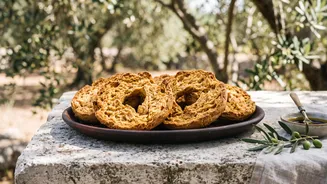
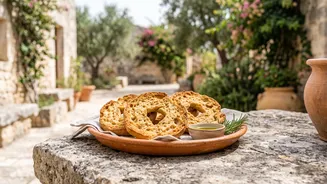
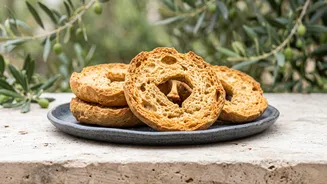
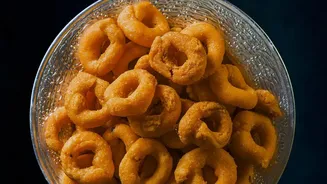
At first glance, friselle (also called freselle or frise) might look like a hard, bagel-shaped rusk. And that's not far off. Hailing from regions like Puglia, Calabria, and Campania, these are bread rings made from simple ingredients like durum wheat
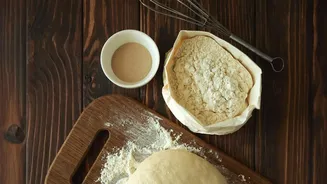
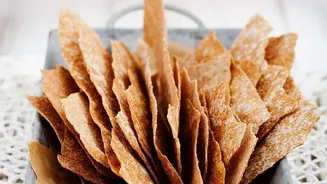
or barley flour, water, yeast, and salt. The magic, however, is in the process. Friselle are twice-baked. First, the dough is shaped into rings and baked until cooked through. Then, while still warm, each ring is sliced horizontally and baked a second time at a low temperature. This 'biscottatura' or second baking is crucial, as it draws out nearly all moisture, resulting in a bread that's rock-hard, incredibly porous, and built to last.
A Bread Born from Necessity
Friselle were not created for culinary flair but for pure practicality. Their history is rooted in the needs of people who travelled for long periods without access to refrigeration. Think of fishermen from Puglia spending days at sea or farmers working in distant fields. These durable bread rings were the perfect sustenance. Their longevity meant they could be produced in large batches and stored for months, providing a reliable food source through lean times. The hole in the centre even had a practical purpose: it allowed the friselle to be strung onto a rope for easy transport and storage, keeping them away from pests and humidity. They are sometimes called 'the bread of the Crusaders', believed to have been an essential provision for troops on long journeys.
The Secret to Kitchen Longevity
The claim in the headline is absolutely true, and the reason is simple science. The double-baking process removes moisture, and without moisture, mould and bacteria cannot thrive. This makes friselle exceptionally shelf-stable. When stored correctly in a dry place, away from humidity and light, they can last for many months. The best way to store them is in a paper bag or an airtight container in a cool, dry pantry. This low-tech preservation method is a testament to the ingenuity of traditional cooking, offering a lesson in sustainability and reducing food waste.
How to Prepare and Eat Friselle
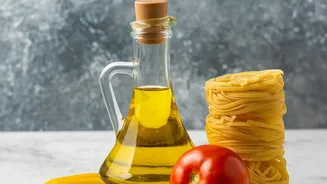
Biting directly into a dry frisella is not recommended—it’s incredibly hard. The essential step before eating is a process called 'sponzatura', which means rehydrating the bread. This is traditionally done by quickly dipping the frisella in a bowl of cool water for just a few seconds. You don't want it to become soggy, just softened enough to be pleasant to eat, retaining some of its signature crunch. In ancient times, fishermen would simply dip them in clean sea water. Once softened, the rough, porous side is perfect for catching toppings. The classic and most beloved preparation involves rubbing the surface with a garlic clove, then topping it with chopped ripe tomatoes, a generous drizzle of extra virgin olive oil, a sprinkle of salt, and a pinch of fragrant oregano.
A Versatile Base for Any Kitchen
While the classic tomato topping is a must-try, the beauty of friselle lies in their versatility. Think of them as a sturdier, more rustic alternative to bruschetta or an open-faced sandwich. They can be topped with anything from roasted vegetables and feta cheese to tuna and olives. For an Indian kitchen, the possibilities are exciting. Imagine topping a softened frisella with a fresh kachumber salad, a dollop of creamy hung curd with herbs, or even using broken pieces as a crunchy element to serve alongside a thick dal or a dry sabzi. The durable bread provides a wonderful textural contrast, making it a fantastic and practical addition to any pantry.