


Hanle, Ladakh: The Crown Jewel
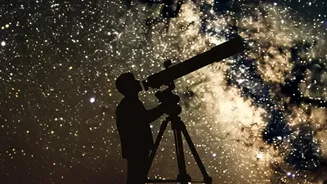
Topping nearly every astronomer's list, Hanle in Ladakh is a stargazing paradise. It's home to India's first and only officially designated Dark Sky Reserve, an area protected from light pollution to preserve its pristine nights. Located at an altitude
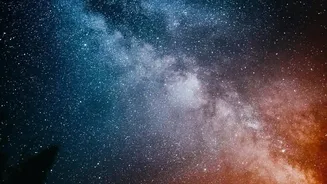
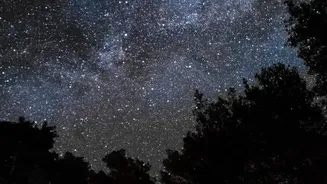
of over 4,500 metres in the Changthang Wildlife Sanctuary, the air here is thin, dry, and incredibly clear, offering what many consider the best stargazing in Asia. On a moonless night, the Milky Way stretches from horizon to horizon in stunning detail, with its dust lanes visible to the naked eye. The site is so ideal it houses the Indian Astronomical Observatory. The best time to visit is from May to October, when the skies are clear and the roads are accessible.
Spiti Valley, Himachal Pradesh: A High-Altitude Desert
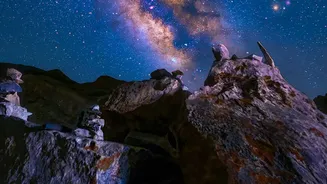
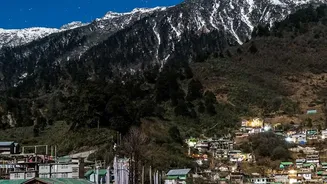
Another Himalayan gem, Spiti Valley is a cold desert renowned for its raw beauty and profound darkness. Its high altitude, low humidity, and near-zero light pollution make it a favourite for astrophotographers. Villages like Langza, Komic, and Kibber—one of the highest inhabited villages in the world—serve as natural observatories. Here, the famous Buddha statue at Langza can be photographed against a backdrop of the glittering Milky Way. The government has also promoted astro-tourism by training local guides and providing telescopes. The ideal window for a visit is from May to October, when the weather is milder and the skies are reliably clear.
Rann of Kutch, Gujarat: A Celestial Mirror
The vast, white salt desert of the Rann of Kutch offers a surreal stargazing experience. Far from any major city, its light pollution is among the lowest in the country. During a new moon, the immense, flat expanse provides an unobstructed horizon-to-horizon view, creating the feeling of being inside a sphere of stars. The white salt crust even reflects starlight, adding to the otherworldly atmosphere. The best time to visit coincides with the Rann Utsav festival, which runs from November to February. The cool, dry winter air ensures crystal-clear conditions for viewing constellations like Orion and planets that are often visible to the naked eye.
Coorg, Karnataka: The Southern Starfield
While the Himalayas dominate many lists, the Western Ghats offer their own dark-sky havens. Coorg, with its rolling hills and coffee plantations, is a prime location in South India. Away from the town centres of Madikeri and Virajpet, the region's elevation and clean air provide surprisingly clear views of the cosmos. The post-monsoon and winter months, from October through May, are the best times for stargazing here, as the skies are free of clouds. Homestays nestled within plantations offer peaceful, dark spots perfect for setting up a telescope and enjoying the southern constellations.
Jaisalmer, Rajasthan: Desert Skies
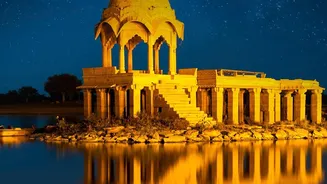
The Thar Desert offers one of India's most accessible stargazing adventures. The dry desert air and low humidity create excellent conditions for observing the night sky. Numerous desert camps located about 40 kilometres from Jaisalmer city, near the Sam Sand Dunes, provide an escape from light pollution. Many of these camps combine stargazing with cultural programs, offering telescopes alongside traditional music and food, making it a great entry point for beginners. The best season to visit is from October to February, when the desert nights are cool and the skies are clear enough to spot planets and frequent meteor showers.