





The Temperature Danger Zone
One of the most critical factors in food safety is temperature control. Bacteria that cause foodborne illness multiply rapidly in what is known as the "danger zone," a temperature range between 40°F (4°C) and 140°F (60°C). Perishable foods like meat,
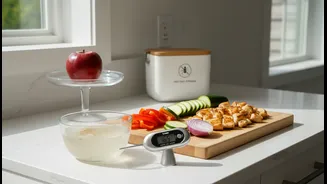
poultry, seafood, and leftovers should never be left at room temperature for more than two hours. If the ambient temperature is above 90°F (32°C), this window shrinks to just one hour. To stay safe, your refrigerator should be set to 40°F (4°C) or below, and your freezer at 0°F (-18°C). Use a food thermometer to ensure you cook foods to the proper internal temperature, which is the only reliable way to kill harmful germs. For instance, all poultry should reach 165°F (74°C), while ground meats should be cooked to 160°F (71°C). When storing hot leftovers, place them in shallow containers for rapid cooling and refrigerate them promptly.
The Cross-Contamination Crisis
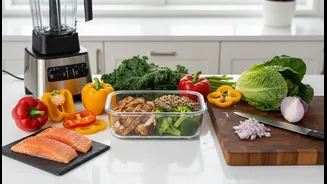
Cross-contamination is the transfer of harmful bacteria from one food, surface, or person to another. This happens most often when juices from raw meat, poultry, or seafood come into contact with ready-to-eat foods like salads or fruit. To prevent this, always keep raw and cooked foods separate during shopping, storage, and preparation. A great practice is to use different cutting boards for raw meats and produce; some people use a color-coded system to make it easy. After handling raw ingredients, wash your hands for at least 20 seconds with soap and warm water. Utensils, countertops, and cutting boards should be washed with hot, soapy water after each use. When storing food in the refrigerator, always place raw meat in sealed containers or on a plate on the bottom shelf to prevent juices from dripping onto other foods below.
The Unwanted Guests: Pests
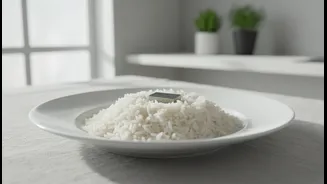
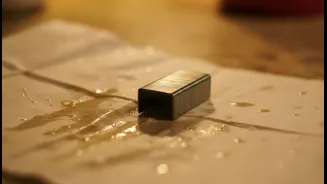
Pests like rodents and insects are not just a nuisance; they are significant carriers of diseases and can contaminate food and kitchen surfaces. The signs of an infestation can be subtle at first. Look for droppings, which may resemble small dark pellets (rodents) or black pepper grounds (cockroaches). Other indicators include gnaw marks on food packaging, furniture, or walls, as well as greasy smudges along baseboards where rodents travel. An unusual musty or oily smell can also signal the presence of cockroaches or rodent urine. To keep pests out, store dry goods like flour, cereal, and rice in airtight containers. Clean up crumbs and spills immediately, and ensure your bins are sealed. Regularly inspect your pantry and under sinks for any signs of activity, as early detection is key to preventing a larger problem.
The Spoilage Spectrum
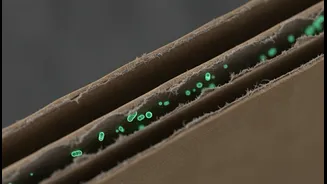
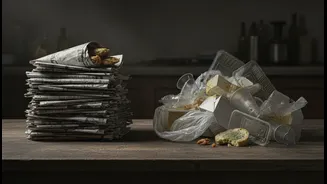
While "best by" and "use by" dates are helpful guides, your senses are often the best tools for detecting spoilage. However, it is important to remember that many harmful bacteria cannot be seen, smelled, or tasted. Visible mold is a clear sign that food has gone bad; with few exceptions like hard cheese, you shouldn't just cut off the moldy part, as its roots can penetrate deep into the food. Other signs include a slimy film on meats or vegetables, a change in color, or an off-putting, rancid, or sour odor. Canned goods that are dented, bulging, or leaking can be a sign of Clostridium botulinum, a bacteria that can cause botulism, and should be discarded immediately. When in doubt about the safety of a food item, the safest course of action is always to throw it out.