




The Science of Diminishing Returns
Each time food is cooled and reheated, its quality degrades. The most noticeable change is in texture. Moisture is lost with every heating cycle, which can leave foods like chicken or pasta dry and tough. Crispy items, like fried snacks, often turn soggy
as moisture from inside the food migrates to the outer coating during cooling and storage. Reheating, especially in a microwave, creates steam that makes these textures even softer. Furthermore, starches in foods like rice and potatoes go through a process called retrogradation as they cool, causing them to become hard or grainy. While reheating can soften them, they rarely return to their original fluffy or creamy state.
More Than Taste: The Safety Factor
Quality isn't the only concern; safety is paramount. The temperature range between 4°C and 60°C is known as the 'danger zone,' where bacteria can multiply rapidly. Every cycle of cooling and reheating gives bacteria more opportunities to grow. While thoroughly reheating food to an internal temperature of at least 74°C (165°F) will kill most active bacteria, it won't eliminate heat-resistant toxins that some bacteria, like Bacillus cereus (often found in rice) or Staphylococcus aureus, can produce. These toxins can cause food poisoning even if the food is piping hot. Food safety authorities generally recommend reheating food only once to minimise this risk.
Are You Losing Valuable Nutrients?
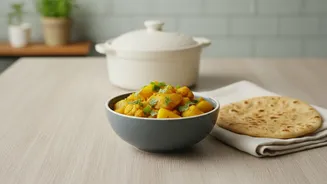
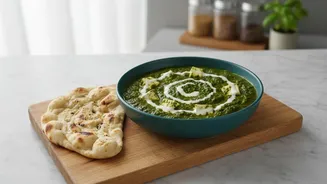
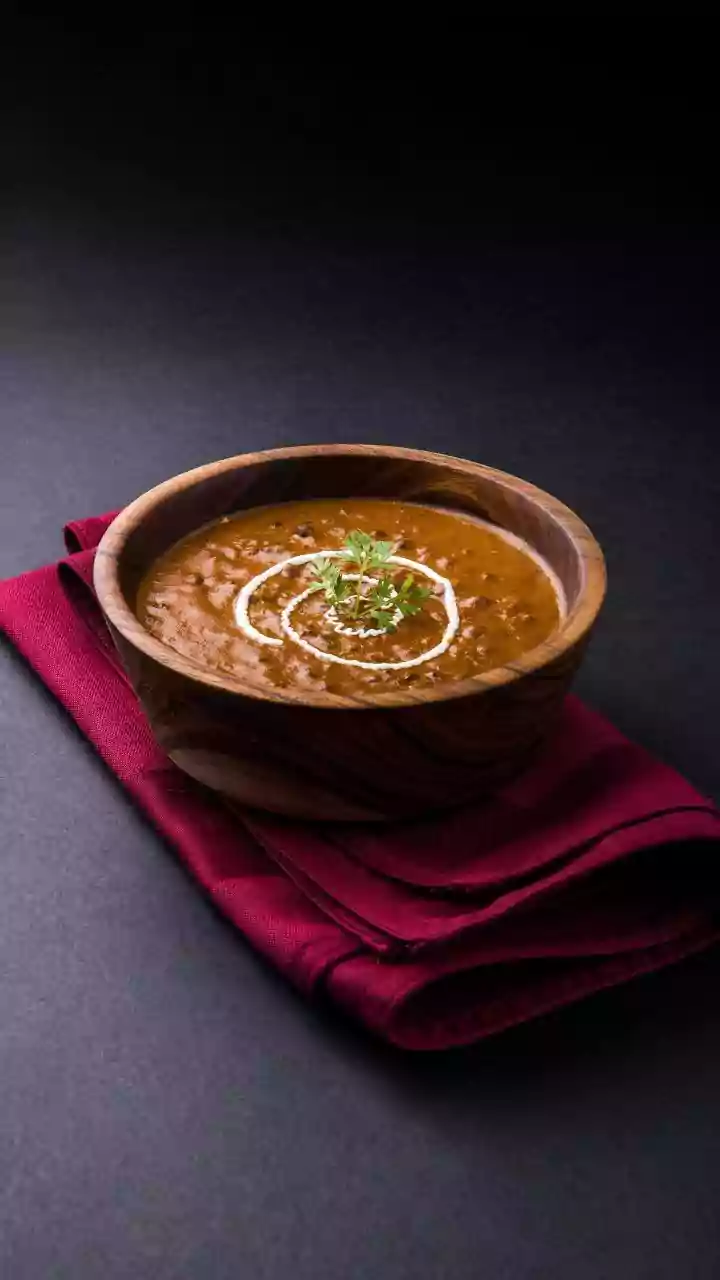
The nutritional value of your meal can also take a hit from repeated heating. Heat-sensitive vitamins, particularly water-soluble ones like Vitamin C and B vitamins (including B1 and folate), are degraded with each exposure to high temperatures. While a single reheating might cause minimal loss, subsequent cycles can further diminish the nutrient content of your food. This means that by the third or fourth time you warm up that dal or sabzi, it might not be as nutritious as when it was freshly made.
The Golden Rules for Better Leftovers
While it's best to avoid reheating food multiple times, you can maximise the quality and safety of your leftovers with a few smart practices. First, cool cooked food quickly—ideally within two hours—by placing it in shallow, airtight containers before refrigerating. This gets it out of the bacterial danger zone faster. When you're ready to eat, only reheat the portion you plan to consume immediately. This avoids putting the entire batch through another heating and cooling cycle. Ensure the food is heated thoroughly to at least 74°C all the way through; for soups and sauces, bring them to a rolling boil. If you don't think you'll eat leftovers within three to four days, it's best to freeze them.