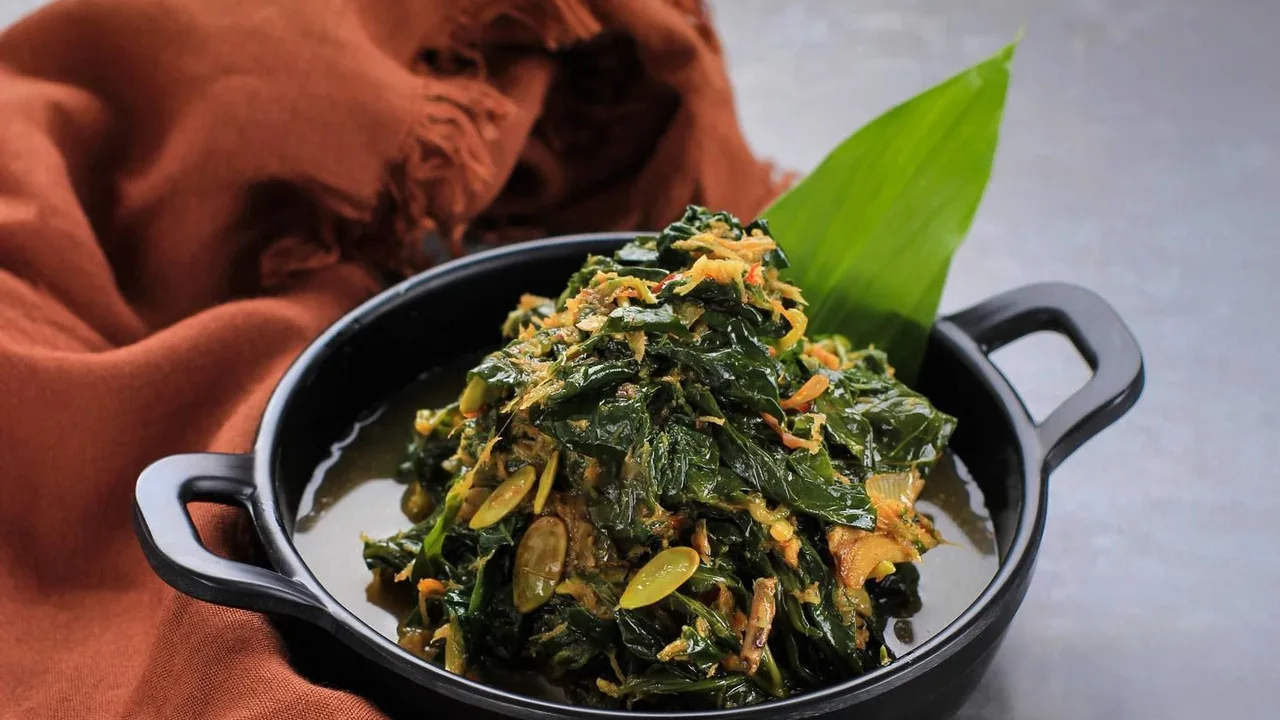






Long before 'superfoods' became a buzzword, kitchens across Central India relied on a wealth of wild greens. These humble plants, often foraged locally, are a forgotten pharmacy, packed with compounds that support our health from the inside out.
Rediscovering Nature's Pantry
In the
heart of India, regions like Madhya Pradesh and Chhattisgarh have a long tradition of using wild edible plants, or 'saag', in their daily meals. These aren't just ingredients; they are a link to a more sustainable and nutritious way of eating that has been passed down through generations. While modern diets often overlook them, greens like bathua, chaulai, and gongura are nutritional powerhouses that thrive in local ecosystems. This culinary heritage holds valuable lessons on how to use nature's bounty for nourishment and well-being, a practice that is seeing a resurgence as people look for healthier, more natural food sources.
What Are Phytonutrients?
The term 'phytonutrients' might sound complex, but it's quite simple. 'Phyto' comes from the Greek word for plant. So, phytonutrients are natural compounds produced by plants to protect themselves from environmental threats. When we eat these plants, we get to borrow their protective benefits. These compounds, which include flavonoids and carotenoids, are what give fruits and vegetables their vibrant colours, distinct smells, and strong flavours. More than just adding sensory appeal, they act as powerful antioxidants in our bodies, supporting our health at a cellular level.
The Silent Battle Against Inflammation
Inflammation is the body's natural response to injury or infection. But when it becomes chronic, it can contribute to a host of health problems. Think of it as an alarm that never turns off. This is where phytonutrients play a crucial role. Many of these plant compounds have potent anti-inflammatory properties. They work by modulating the body's inflammatory pathways, helping to calm the system and reduce the cellular damage caused by chronic inflammation. A diet rich in phytonutrient-dense foods is one of the most effective ways to manage and prevent this silent battle within our bodies.
Star Player: Bathua (Chenopodium album)
Bathua, also known as lamb's quarters, is a winter green that grows abundantly across India. It is particularly rich in vitamins A and C, along with essential minerals like iron, calcium, and potassium. The phytonutrients in bathua, especially flavonoids and phenolics, contribute to its anti-inflammatory and antioxidant effects. Traditionally used as a blood purifier and digestive aid, this leafy green is an excellent source of dietary fibre, which helps maintain good gut health and prevent constipation. Its impressive nutrient profile makes it a key player in fighting deficiencies and boosting overall immunity.
Powerhouse Green : Chaulai (Amaranthus)
Chaulai ,or amaranth leaves ,is another widely available green that packs a serious nutritional punch .It 's an excellent source of protein ,iron ,magnesium ,and calcium .What makes chaulai stand out is its high content of beta -carotene and Vitamin C ,a combination that not only boosts immunity but also enhances the body 's absorption of iron .The leaves contain phytonutrients that have been shown to help reduce inflammation and support cardiovascular health .Both the leaves and the grain of the amaranth plant are valued for their health benefits ,making it a versatile and powerful addition to any diet .
Bringing Wild Greens to Your Table
Incorporating these greens into your diet is easier than you might think .Look for them at your local vegetable market ,especially during winter .Bathua is wonderful in raita ,parathas ,or simply cooked as a saag with a touch of garlic and ghee .Chaulai can be stir -fried ,added to dals for a nutrient boost ,or cooked with potatoes in a simple sabzi .The key is to cook them lightly to preserve their delicate nutrients .By embracing these traditional greens ,you 're not just adding flavour and nutrition to your plate ;you are connecting with a rich culinary heritage that has sustained communities for centuries .