


The Lungs and Coolers of Our Cities
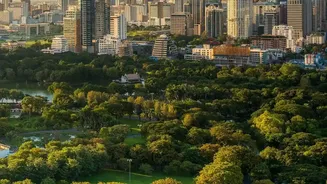
First, let's be clear: urban parks are not just decorative. They are hardworking, essential infrastructure. The trees and vegetation in parks act as natural air filters, absorbing pollutants and carbon dioxide while releasing the oxygen we breathe. In
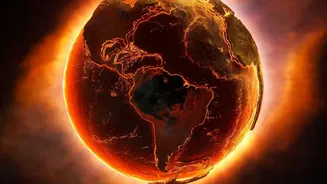
densely packed urban environments, this function is critical for public health. Furthermore, parks are a city's best defence against the 'urban heat island' effect, where concrete and asphalt absorb and radiate heat, making cities significantly hotter than surrounding rural areas. A well-placed park with a healthy tree canopy provides shade and releases moisture, which can cool the surrounding area, reduce the need for energy-intensive air conditioning, and offer life-saving relief during heatwaves. They also play a vital role in managing stormwater, as their permeable surfaces absorb rainwater, reducing the strain on drainage systems and mitigating the risk of urban flooding.
An Economic Engine Hiding in Plain Sight
The argument for developing parkland often centres on economics, but this view is short-sighted. Parks are powerful economic generators. For one, proximity to well-maintained green space consistently increases property values, which in turn can boost municipal tax revenues. Parks like Lalbagh in Bengaluru and KBR Park in Hyderabad also drive tourism, attracting visitors who spend money at local businesses. They become venues for festivals, concerts, and community markets that support local economies. Beyond this direct revenue, the health benefits provided by parks represent a massive cost saving. By providing safe, accessible spaces for physical activity like walking and jogging, parks help reduce the incidence of chronic diseases such as obesity and cardiovascular disorders. Access to green space is also proven to reduce stress, anxiety, and mental fatigue, contributing to a healthier, more productive populace with lower healthcare needs.
The Social Fabric of a Community
Beyond their environmental and economic roles, parks serve a crucial social function. They are one of the few remaining 'third places'—neutral grounds where people can gather and interact outside of their homes and workplaces. In an era of increasing social isolation, these spaces are vital for building community. They foster social cohesion by bringing together people of all ages, cultures, and socioeconomic backgrounds. A park is where neighbours meet, where children play, and where older adults can find social contact. This sense of community and attachment to a neighbourhood is invaluable and hard to replicate once lost. When we allow these shared spaces to be eroded, we are not just losing grass and trees; we are losing the very places that help knit the social fabric of our cities together.
The Point of No Return
Perhaps the most compelling reason to protect our parks is the permanence of their loss. Once a park is paved over for a new high-rise or shopping centre, that green space is gone forever. The complex ecosystem, the mature trees that took decades to grow, and the community hub it provided cannot be easily replaced. The conversion of green space to developed land is one of the most irreversible human impacts on the environment. Across India, cities are already grappling with the consequences of shrinking green cover, from increased flooding and heat to a loss of biodiversity. In cities like Mumbai and Chennai, green space per capita is alarmingly low, far below the standards recommended by global health organisations. To see these remaining precious areas as a 'land bank' for future development is to fundamentally misunderstand their value and ignore the long-term consequences for the health and sustainability of our cities. Protecting them is not an expense; it is an investment in a liveable future.