


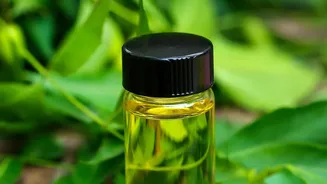

What is Neem Oil and Why Use It?
Neem oil is a natural pesticide extracted from the seeds of the Azadirachta indica tree, which is native to the Indian subcontinent. For centuries, it has been used in agriculture and medicine. For house plants, it’s an effective, organic weapon against
a host of common pests like spider mites, aphids, mealybugs, thrips, and whiteflies. It works by disrupting the pests' hormonal systems, stopping them from feeding and reproducing. This makes it a powerful tool for both treating existing infestations and preventing new ones from taking hold.
Choosing the Right Product
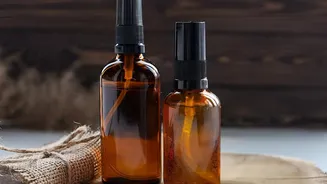
When you buy neem oil, you will likely see two main types: 100% pure, cold-pressed neem oil and ready-to-use sprays. While pre-mixed sprays are convenient, they often contain lower levels of Azadirachtin, the key active ingredient, which can degrade over time on a store shelf. For the most potent and cost-effective solution, it's best to buy 100% pure, cold-pressed neem oil and dilute it yourself. This ensures you are getting the full benefits of the oil's pest-fighting properties.
The Perfect Homemade Spray Mixture
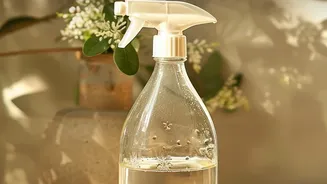
Mixing neem oil correctly is crucial because oil and water don't combine on their own. You need an emulsifier, like a mild liquid soap, to help them blend. For a standard one-litre batch, follow this simple recipe: start with one litre of warm water in a spray bottle. Add 1 teaspoon (about 5ml) of pure, cold-pressed neem oil. Then, add a few drops (about 1/2 teaspoon) of a gentle liquid soap, like castile soap or a basic dish soap without bleach or degreasers. Close the bottle and shake it vigorously until the mixture looks milky and uniform. Remember to shake the bottle periodically during application, as the oil can separate from the water over time.
Step-by-Step Application Guide
Before you spray your entire collection, it's wise to perform a patch test. Spray a small, inconspicuous leaf on a plant and wait 24 hours to check for any signs of leaf damage or stress. Once you're sure it's safe, you can proceed. The best time to spray is in the early morning or late evening, as applying neem oil in direct, strong sunlight can cause the leaves to burn. When you spray, be thorough. Pests love to hide on the undersides of leaves, so make sure to coat all surfaces of the plant—tops and bottoms of leaves, stems, and crevices where pests might gather. You don't need to drench the plant until it's dripping, but an even, complete coverage is key.
Frequency: Prevention vs. Treatment
How often you spray depends on your goal. For preventing pests on healthy plants, a light application every two to four weeks is usually sufficient. This creates an environment that is inhospitable to new invaders. If you are dealing with an active infestation, you will need to be more persistent. Spray the affected plants thoroughly once every five to seven days until you no longer see any signs of pests. Neem oil works over time by disrupting the pests' life cycle, so consistent application is necessary to eliminate all generations of the insects.
Important Safety Precautions
While neem oil is natural, it's not entirely harmless. It can be a mild skin and eye irritant, so it is a good idea to wear gloves during application and wash your hands afterwards. Keep pets and children away from the area while you are spraying and until the solution has dried. Although generally safe for most beneficial insects like bees when used correctly, avoid spraying when they are active. Applying in the evening helps minimise contact with pollinators. Also, be aware that neem oil can be toxic to fish, so avoid using it near ponds or aquariums.