






Why Thrifting Resonates
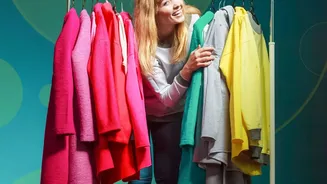
The appeal of thrifting for young Indians is multifaceted. Firstly, it’s a powerful stand against the environmental toll of fast fashion. The fashion industry is a major global polluter, and choosing a second-hand garment directly reduces textile waste
and the resources needed for new production. Secondly, it’s about individuality. In a world of mass-produced trends, thrift stores offer one-of-a-kind pieces that allow for personal expression and a unique wardrobe. Finally, there's the undeniable economic benefit. Thrifting makes high-quality and branded items accessible at a fraction of their original cost, a major draw for students and young professionals on a budget.
The Digital Bazaar: Instagram's Central Role
For many, the gateway to thrifting in India is Instagram. The platform has become a bustling hub for hundreds of online thrift stores, each with a curated aesthetic. These stores, often run by individuals or small teams, present their collections through visually appealing posts and stories in events called 'drops'. To find them, you can search popular hashtags like #ThriftIndia or #PrelovedFashion. The process is typically straightforward: you find an item you love, comment or send a direct message (DM) to claim it, and complete the payment digitally. Many stores provide detailed measurements and descriptions, but since items are one-offs, you need to be quick.
Offline Adventures: Markets and Swaps
While online stores offer convenience, nothing beats the thrill of an in-person hunt. Major cities like Delhi (Sarojini Nagar), Mumbai (Hill Road), and Bengaluru (Commercial Street) are famous for sprawling markets packed with export-surplus and second-hand clothing. Here, you can physically inspect items and often negotiate prices. Beyond traditional markets, clothing swap events are becoming increasingly popular in urban centers. Organised by communities like Exchange Room or Bombay Closet Cleanse, these events allow you to bring clothes you no longer wear and exchange them for items from others, fostering a circular fashion economy and a sense of community.
A Thrifter's Guide to Finding Gold
Successful thrifting requires a sharp eye and a little patience. First, know your measurements. Sizing on pre-loved clothes can be inconsistent, so relying on your bust, waist, and hip measurements is far more reliable than a size tag. When shopping online, carefully examine all photos, looking for signs of wear and tear, and don't hesitate to ask the seller for more details or pictures of specific areas like collars and seams. In physical markets, check for stains, loose threads, broken zippers, and missing buttons before you buy. Remember that some minor imperfections can often be easily repaired, so keep an open mind. Focusing on durable fabrics like denim and heavy cotton can also lead to more reliable, long-lasting finds.
Caring for Your Pre-Loved Treasures
Once you've brought your thrifted finds home, the final step is proper care to ensure they last. Always wash second-hand clothes before wearing them for the first time. A gentle wash cycle is usually sufficient, but for delicate fabrics, hand-washing is a safer bet. Small repairs, like sewing on a button or mending a small tear, are simple skills that can dramatically extend a garment's life. This act of mending is not just practical; it connects back to a long-standing Indian tradition of resourcefulness and giving clothes a second life. By investing a little time in after-care, you honor the garment's history and fully embrace the sustainable ethos of thrifting.