



The Urban Kitchen Challenge
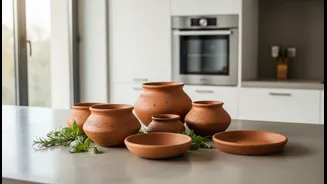
For generations, the clay cookware of Rajasthan has been the heart of rural kitchens. These rustic, porous vessels are celebrated for their ability to cook food slowly, retain moisture, and add a unique earthy flavour. However, translating this tradition
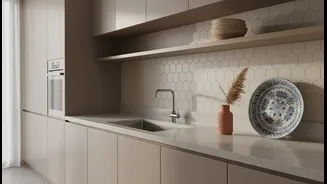
to a modern urban apartment presents several challenges. City kitchens are shrinking, with limited cabinet space and smaller stovetops. The traditional rounded base of a clay handi is unstable on a flat electric or induction cooktop. Furthermore, the unglazed, purely functional aesthetic doesn't always align with contemporary kitchen design, and concerns about durability and maintenance can deter city dwellers accustomed to steel and non-stick pans. Artisans, in turn, have faced dwindling demand and competition from mass-produced alternatives, threatening a centuries-old livelihood.
Design as a Bridge
Enter a new generation of designers and social initiatives who see an opportunity not for replacement, but for evolution. Rather than viewing traditional crafts as static museum pieces, they act as conduits between the artisan's workshop and the urban consumer's reality. This process begins with deep respect for the craft, understanding the properties of the local clay and the generational skills of the potters in villages like Molela. Initiatives like Rivaayat, started by students from Shri Ram College of Commerce, and projects supported by the National Institute of Design focus on collaborative development. They work directly with artisan communities to identify pain points and co-create products that retain their traditional soul while meeting modern needs. The goal isn't just to create new products, but to build a sustainable economic model that empowers the artisans themselves.
Reimagining Terracotta for Today
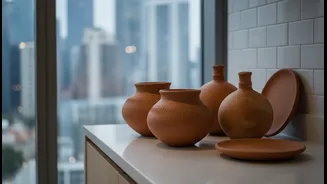
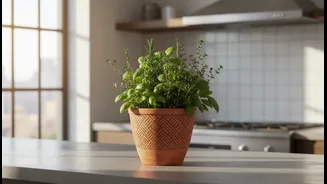
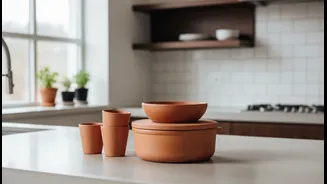
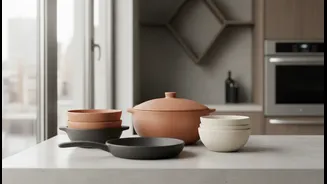
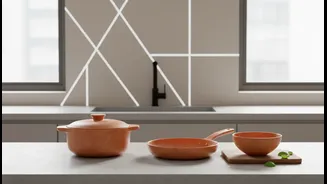
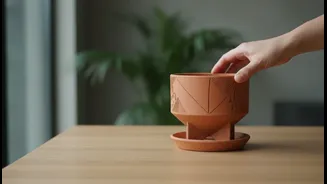
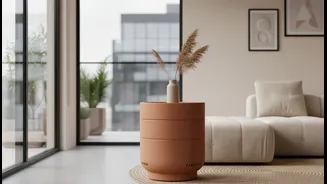
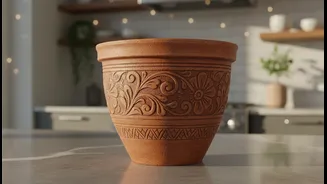
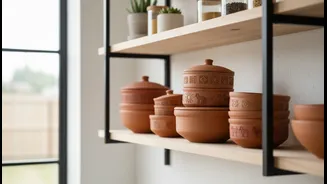
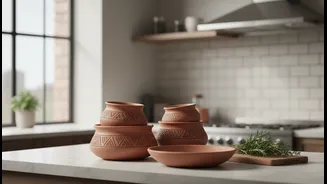
This collaboration is leading to tangible innovations in terracotta cookware. To solve the stovetop issue, designers are helping artisans develop pots with flat bottoms that are stable on modern hobs. Some makers are even experimenting with techniques to make terracotta compatible with induction cooktops, a significant leap for the craft. For space-saving, a focus on modular and stackable designs is emerging. Think sets of bowls that nest perfectly, or lids that double as small serving plates. The aesthetic is also evolving. While preserving the beloved earthy tones, some artisans are introducing minimalist forms, clean lines, and contemporary glazes that appeal to modern tastes, transforming a purely utilitarian object into a piece of functional art. These design interventions also extend to use, with new products like terracotta water filters, coffee mugs, and even microwave-safe items entering the market.
More Than Just a Pot
The impact of this fusion extends far beyond the kitchen shelf. For the artisans of Rajasthan, it means access to new, more lucrative urban markets and the ability to command fairer prices, often by selling directly to consumers through online platforms. This revives not just an income stream but also a sense of pride in a heritage that was at risk of being abandoned. For the urban consumer, these adapted products offer a way to reconnect with tradition in a practical way. They provide the health benefits of cooking in natural, non-toxic clay while supporting sustainable, eco-friendly practices. In a world of mass-produced goods, a handcrafted terracotta pot tells a story—of the earth it came from, the hands that shaped it, and the culture it represents, bringing a piece of that narrative into the high-rise homes of Bengaluru, Mumbai, and Delhi.