






The Hidden Cost of Conventional Sparkle
The strings of electric fairy lights that have become a festive staple often come with a significant environmental price tag. Many are mass-produced, have a short lifespan, and end up in landfills as tangled e-waste. These lights contribute to increased
electricity consumption, which, depending on the source, can expand our carbon footprint during a season of celebration. Furthermore, cheaper plastic lights and disposable wax tealights in aluminum cups generate non-biodegradable waste, adding to the post-festival cleanup and long-term environmental burden. Making a conscious choice can help mitigate this impact without dimming the festive spirit.
The Timeless Earthiness of Clay Diyas
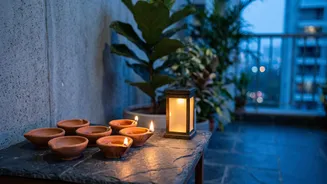
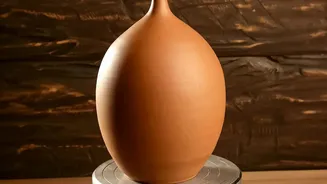
The humble clay diya, a cornerstone of Indian tradition, is a perfect symbol of sustainable celebration. Handcrafted from natural earth, these lamps are completely biodegradable, returning to the soil without a trace once the festival is over. Using them with natural oils like mustard or ghee is a clean-burning alternative to paraffin wax. Choosing to buy diyas from local potters also has a powerful social and economic impact. It supports the livelihoods of traditional artisans and their families, helping to preserve a rich cultural heritage that faces competition from mass-produced goods. Each handcrafted diya carries a story, connecting your celebration to centuries of tradition and community empowerment.
The Modern Innovation of Solar Lights
For those who love the convenience and spread of string lights, solar-powered options offer a brilliant modern solution. These lights harness the sun's energy during the day to provide a festive glow at night, operating with zero electricity cost and no greenhouse gas emissions. This significantly reduces your household's energy demand on the grid. While the initial purchase price might be slightly higher than conventional lights, the long-term savings on electricity bills make them a cost-effective choice. They are also safer, as they don't require electrical sockets or extension cords, reducing the risk of tripping hazards and fires. Modern solar lights are durable, weather-resistant, and come in a wide variety of styles, making them perfect for illuminating gardens, balconies, and rooftops.
A Perfect Partnership for Festive Decor
You don't have to choose between tradition and technology; clay diyas and solar lights work beautifully together. Use clusters of clay diyas to create intimate, warm focal points at your entrance, in your puja room, and on windowsills, connecting your home to earthy, auspicious energy. Let their gentle, flickering flames create a serene and meditative atmosphere. Meanwhile, use solar string lights for larger-scale decorations—draped over trees, along railings, or across rooftops—where running electrical cords would be impractical or unsafe. This combination allows you to enjoy the spiritual and aesthetic charm of the diya while leveraging the broad, effortless coverage of solar power. The result is a multi-layered, visually stunning display that is both deeply traditional and smartly modern.
Making the Conscious Switch
Embracing sustainable decor is easier than ever. When buying clay diyas, seek out local markets or artisans to ensure your purchase directly supports the community. For solar lights, check reviews for battery life and durability to make a good long-term investment. It's also important to consider the end-of-life for solar products. The rechargeable batteries within them contain materials that should not be thrown in household trash. When your solar lights eventually cease to work, the batteries should be taken to a designated e-waste or battery recycling facility to be disposed of safely. This final step ensures that your sustainable choice truly benefits the environment from beginning to end.