

What Exactly Are Nigella Seeds?
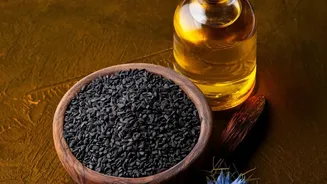
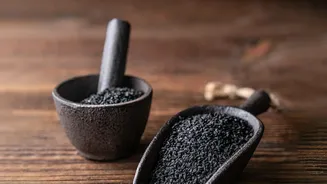
Often found in Indian and Middle Eastern cuisines, nigella seeds (Nigella sativa) are small, black, triangular-shaped seeds from the buttercup family of plants. In India, they are widely known as kalonji. Despite often being mislabeled as 'black onion
seeds', they are not related to onions at all. They are also frequently confused with black sesame seeds, but a closer look reveals nigella's unique three-sided shape, unlike the flatter, teardrop form of sesame seeds. This ancient spice, with a history stretching back millennia, was even found in Tutankhamun's tomb. Crushing a few seeds between your fingers is the best way to tell them apart: nigella seeds release a pungent, peppery, and onion-like scent, while black sesame seeds smell nutty and sweet.
A Complex Flavour for Simple Breads
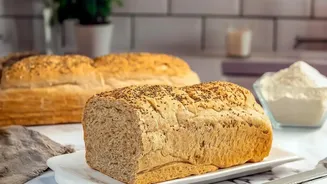
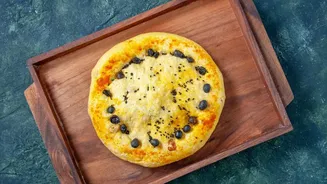
The magic of nigella seeds lies in their powerful and unique taste profile. They deliver a combination of pungent, earthy, and slightly bitter notes, often described as a mix of onion, black pepper, and oregano. When baked, these flavours bloom, infusing the bread with a savoury, aromatic quality that you might associate with artisanal bakery loaves. Unlike a simple sesame topping, which adds a mild, nutty crunch, nigella seeds provide a deeper, more robust character. This makes them perfect for elevating plain white bread, dinner rolls, or flatbreads like naan without needing to add expensive cheese, olives, or herb-infused oils. Their flavour is strong, so a little goes a long way, making a small packet last through many baking sessions.
The Budget-Friendly Upgrade
In the world of baking, specialty ingredients can quickly add up. A block of good cheese, a jar of premium olives, or a bag of walnuts for a topping can significantly increase the cost of a homemade loaf. Nigella seeds offer a wonderfully economical alternative. Typically sold in the spice aisle of supermarkets or at Indian and Middle Eastern grocers, a small bag is often very affordable and provides enough seeds for dozens of loaves. Because their flavour is so concentrated, you only need a teaspoon or two per recipe to make a significant impact. This makes them a cost-effective tool for any home baker looking to add a layer of sophistication and memorable flavour to their creations without stretching their grocery budget.
How to Use Nigella Seeds in Your Bread
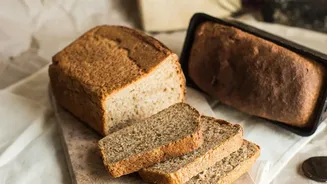
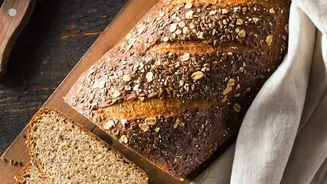
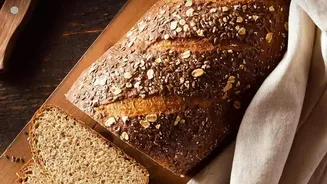
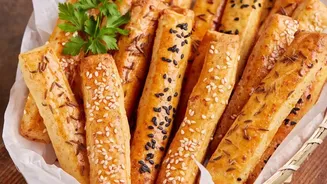
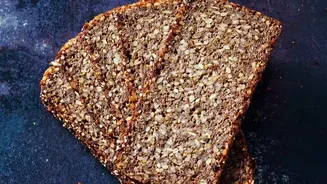
Incorporating nigella seeds into your bread is incredibly simple and can be done in a few ways. The easiest method is to simply knead the seeds directly into the dough along with your other ingredients. This ensures the flavour is distributed evenly throughout the loaf. For a more pronounced aroma and a visually appealing crust, you can sprinkle the seeds on top of the dough just before baking. Brushing the surface with a light egg wash or even just water will help the seeds adhere. For an even bigger flavour boost, you can lightly toast the seeds in a dry pan for a minute or two until they become fragrant before using them. This simple step awakens their volatile oils, making their peppery, oniony notes even more potent.
A Simple Starting Point: Nigella Seed Naan
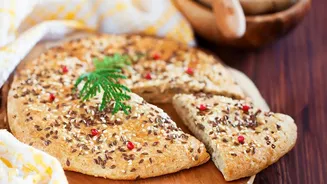
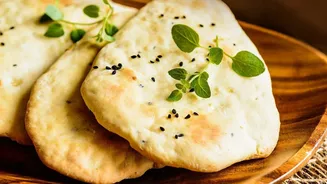
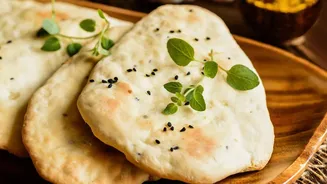
Ready to try it yourself? A simple naan or flatbread is the perfect canvas. For a quick yeast-leavened dough, combine about one and a half cups of flour with a teaspoon of active dry yeast, a teaspoon of sugar, and a half-teaspoon of salt. Add half a cup of warm milk or yogurt and a quarter cup of oil or melted butter. Now for the star ingredient: knead in one to two teaspoons of nigella seeds. Let the dough rise for about an hour until doubled, then divide it into smaller balls. Roll each piece flat and cook it on a hot, dry cast-iron skillet for a few minutes on each side until puffed and golden brown. The heat from the pan will toast the seeds, filling your kitchen with their incredible aroma and giving you a perfect taste of what this amazing seed can do.