




Defining the Concrete Jungle's Fever
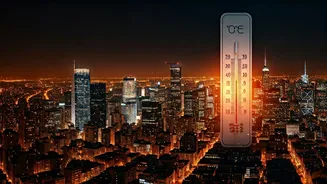
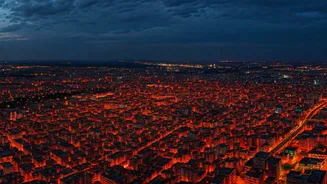
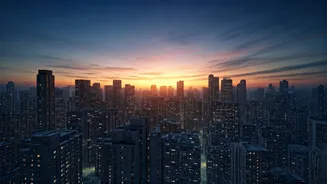
This phenomenon is called the Urban Heat Island (UHI) effect. In simple terms, our cities are absorbing and retaining more of the sun’s heat than the countryside. The primary culprits are the materials we use to build our urban world: concrete, asphalt,
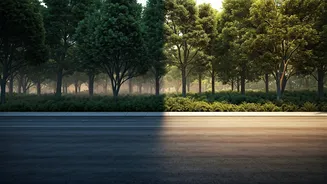
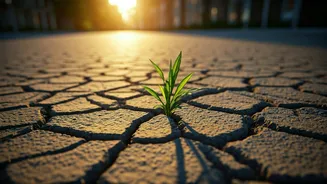
and dark-coloured roofing. These surfaces act like giant sponges for solar radiation, soaking up heat all day and slowly releasing it at night. This is why cities often fail to cool down after sunset, unlike rural areas with abundant soil, water, and vegetation. The loss of green spaces is a massive contributor. Trees, parks, and water bodies provide natural air conditioning through shade and a process called evapotranspiration, where water evaporating from leaves and soil cools the air. As we replace these natural coolers with heat-trapping infrastructure, we create a city-wide fever.
Why the Heat is Spreading
The expansion of urban heat islands in India is directly linked to our rapid and often unplanned urbanization. As cities like Delhi, Mumbai, Ahmedabad, and Hyderabad grow, natural landscapes are relentlessly converted into built-up areas. This relentless concretization, coupled with the loss of green cover, intensifies the UHI effect. For example, Delhi has seen its tree cover decline significantly, which directly correlates with rising heat stress. Compounding the issue is the waste heat generated by human activities. The sheer density of vehicles, industrial processes, and especially air conditioning units pumps even more heat into the urban atmosphere, creating a vicious cycle: the hotter it gets, the more we rely on ACs, which in turn makes the city even warmer.
The Real-World Costs of Rising Heat
The UHI effect is more than just an inconvenience; it carries steep costs for our health, economy, and environment. Medically, it exacerbates the impact of heatwaves, leading to a surge in heat-related illnesses like heat exhaustion and heatstroke, and worsening chronic conditions like respiratory and cardiovascular diseases. Studies show thousands of deaths in India have been attributed to heatwaves, a risk amplified in dense urban pockets. Economically, the demand for electricity skyrockets as more households and businesses run air conditioners for longer, straining power grids and increasing energy bills. Environmentally, higher temperatures can accelerate the formation of harmful ground-level ozone, a key component of smog, degrading the air we breathe. This creates a complex public health crisis where heat and pollution feed off each other.
Engineering Cooler, Smarter Cities
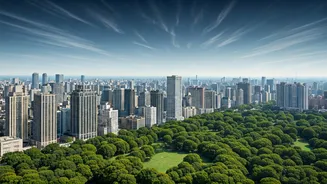
Fortunately, we have the insights to combat the UHI effect. The solutions lie in reimagining how we design and build our cities. One of the most effective strategies is investing in 'green and blue infrastructure'. This means expanding urban greenery through parks, roadside trees, and green roofs, and protecting and restoring water bodies like lakes and wetlands. Studies show that increasing tree cover by just 5% can lower neighbourhood temperatures by 1°C. Another powerful tool is the use of 'cool' materials. This includes painting roofs with reflective white coatings, which can lower surface temperatures dramatically, and using lighter-coloured, more permeable paving materials that absorb less heat and allow rainwater to cool the ground. Finally, strategic urban planning is critical. Cities like Ahmedabad have pioneered Heat Action Plans that combine early warning systems with community outreach and infrastructure changes. By creating green corridors for wind flow and mandating energy-efficient building codes, metros can build long-term resilience against extreme heat.