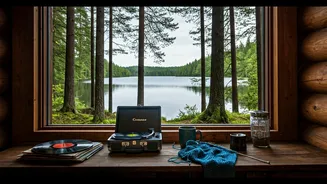









What Exactly Is an Analog Retreat?
Think of it as the evolution of the digital detox. While a detox is about abstaining from devices, an analog retreat is about actively engaging with the physical world. It's less about what you're giving up (Wi-Fi, endless scrolling) and more about what you're gaining:
sensory-rich, real-world experiences. These escapes intentionally swap screen time for activities like pottery, journaling on a vintage typewriter, communal meals without phones, hiking, or simply reading a physical book. The goal isn't to demonize technology, but to create a space where you can reconnect with yourself, nature, and others without a screen acting as an intermediary.
The Psychology of Unplugging
The rise of these retreats isn't surprising. Digital burnout is now a recognized cultural condition. Our brains, which evolved for singular focus, are not built for the constant state of hyper-stimulation that modern life demands. Every notification and email contributes to mental exhaustion, anxiety, and a reduced ability to think clearly. This constant connectivity can keep our brains in a perpetual state of threat, disrupting our ability to rest and recover. An analog break offers a chance to reset these fried circuits. Studies and anecdotal evidence show that stepping away from screens can lead to reduced stress, improved sleep, better focus, and more meaningful social interactions.
A World Without Wi-Fi
So what actually happens when you lock your phone away? The first 24 to 48 hours can be jarring as your brain adjusts to the lack of constant input. But soon after, something shifts. Without the impulse to document every moment, you begin to simply experience it. Conversations with strangers happen more freely. Meals become longer and more engaging. Instead of scrolling, you might find yourself hiking in a remote forest, learning a new skill like woodworking, or joining a guided meditation session. Destinations offering these experiences often choose locations where a signal is poor anyway, from the Scottish Highlands to remote lodges in Montana or the Panamanian jungle. The focus is on replacing digital consumption with physical creation and genuine connection.
The Pioneers of Pause
The travel industry is responding to this growing demand. What was once a niche gimmick is now a fast-growing travel category. Companies like Unplugged in the UK have seen a surge in bookings, particularly from solo female travelers and those citing burnout as their primary reason for escaping. Luxury resorts like Miraval and Canyon Ranch now offer structured programs focused on mindful technology use. Smaller, dedicated outfits host retreats centered around specific analog activities, from yoga and spiritual healing to adventure sports. Even without an official program, some hotels now advertise a lack of Wi-Fi as a premium feature, a significant shift from just a few years ago.
Is An Analog Break Right for You?
You don't need to book a flight to a remote cabin to reap the benefits. The principles of an analog retreat can be applied to everyday life. It starts with intentionality. Designate "no-phone zones" in your home, especially the dinner table and bedroom. Pick up a tactile hobby that uses your hands, like gardening, painting, or playing an instrument. Instead of reaching for your phone during downtime, pick up a book or simply go for a walk and let your mind wander. The key is to create pockets of time in your day that are free from digital interruption. These small acts can help you build a healthier, more balanced relationship with technology long-term.