

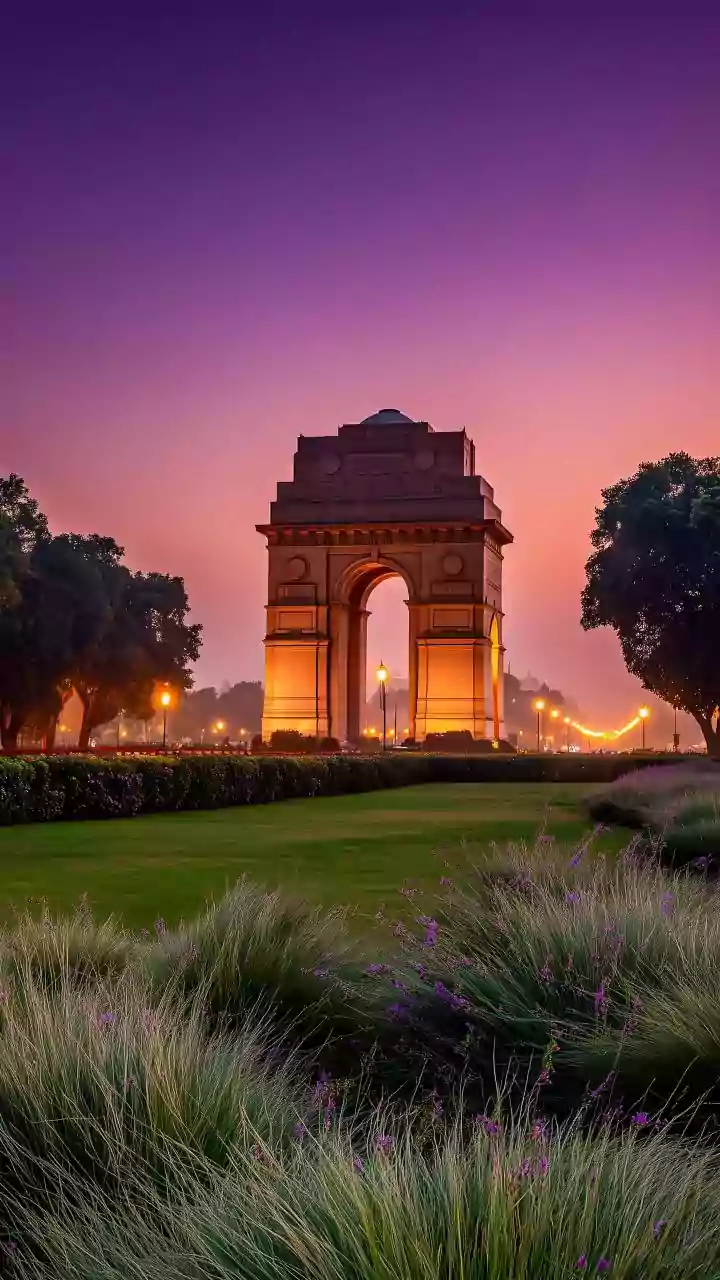




Stroll through any major urban park in India today, and you'll find more than just morning walkers. You'll see yoga circles, laughter clubs, and kids' workshops. Once neglected, these green spaces are now vibrant community hubs. Why the change?
A Renewed Appreciation for Open Spaces
The COVID-19
pandemic fundamentally shifted our relationship with the indoors and outdoors. After months of lockdowns and restrictions, city dwellers developed a newfound appreciation for accessible public spaces. Parks, once taken for granted, became essential venues for safely meeting friends, getting fresh air, and breaking the monotony of life at home. This shift in behaviour has persisted, with many Indians now incorporating park visits into their regular social routines. The pandemic highlighted the crucial role of green spaces for both physical and mental well-being, turning them from simple amenities into vital components of a healthy urban life.
The Rise of Wellness and Fitness Culture
A growing awareness of health and wellness across India has found a natural home in city parks. They have effectively become free, open-air gyms for a diverse range of activities. Running groups congregate on dedicated tracks in cities like Bangalore and Mumbai, while yoga and Zumba classes draw crowds in the early mornings. This trend is driven by a desire for physical activity that is both accessible and social. Parks offer a safe and often scenic environment, a welcome alternative to congested streets or expensive gyms. This has made them central to the fitness journeys of many urbanites, from casual joggers to dedicated athletes.
Smarter Design and Better Amenities
Municipal bodies and urban planners have begun to recognise that parks are more than just green patches; they are social infrastructure. As a result, many cities are investing in redesigns that cater to community needs. This includes adding amenities like well-lit pathways, dedicated play areas for children, public toilets, and even open-air gyms. Some initiatives, like in Delhi, focus on redeveloping entire corridors to integrate green spaces with pedestrian plazas and cycle tracks. These thoughtful upgrades make parks more welcoming, safe, and functional, encouraging people to spend more time there and use them for a wider variety of social activities.
Community-Led Initiatives Take Root
The transformation of parks isn't just a top down effort. Across the country, local communities are taking ownership of their neighbourhood green spaces. Resident Welfare Associations (RWAs) and informal citizen groups now organise everything from tree planting drives and cleanliness campaigns to cultural festivals and farmers' markets. Social media and messaging apps have made it easier than ever for like minded individuals to connect and coordinate these activities. This grassroots engagement fosters a strong sense of community and ensures that the park evolves to meet the specific desires of the people who use it most.
More Than Just a Place to Walk
Indian parks are diversifying their roles, becoming multi purpose venues that serve a broad spectrum of interests. They are increasingly being used as spaces for cultural exchange and economic activity. You might find an art installation one weekend and a book reading club the next. In some cities, parks host organic markets and local handicraft fairs, providing livelihoods and fostering local economies. They also serve as educational hubs, with biodiversity parks in cities like Delhi offering opportunities for students and residents to learn about native ecology. This evolution turns the park from a passive recreational space into an active and dynamic community asset.