





Why Go Beyond Cardio?
Cardiovascular exercise is fantastic for heart and lung health. However, a well-rounded fitness program includes strength training to improve everything from joint function to bone density. Relying solely on cardio means you aren't efficiently building
the lean muscle mass that acts as your body's metabolic engine. Muscle tissue burns more calories at rest than fat tissue does, so building even a little bit can help with weight management. Combining cardio with resistance work provides far greater benefits than doing either one alone, creating a more resilient and capable body.
The Powerful Perks of Pushing Back
Resistance training isn't just about building bigger muscles. It offers a wealth of health benefits that are especially important as we age. By stressing your bones, strength exercises help increase bone density, which can lower the risk of osteoporosis. Stronger muscles also provide better support for your joints, which can reduce pain from conditions like arthritis and lower your risk of injury in daily life. Furthermore, it helps your body manage blood sugar, improves posture, and can even boost your mood, self-confidence, and sleep quality.
Busting Common Beginner Myths
Many beginners, especially women, avoid resistance training for fear of becoming "bulky." This is a common misconception. Building large amounts of muscle is incredibly difficult and requires very specific, intense training protocols and diets. For most people, regular resistance training creates a leaner, more toned physique, not excessive bulk. Another myth is that you need to be in the gym for hours every day. In reality, effective strength gains can be made by training all major muscle groups just two to three times per week, with rest days in between to allow for muscle recovery and growth.
How to Start Safely and Simply
The best part about resistance training is that you don't need a gym or heavy weights to begin. You can start at home using your own body weight as resistance. The key is to focus on proper form before adding any weight or complexity. Aim for two or three sessions a week on non-consecutive days to give your body time to recover. Always start your workout with a 5-10 minute warm-up, like brisk walking or dynamic stretches such as arm circles and leg swings, to prepare your muscles for exercise. When you're finished, a cool-down with gentle stretching can help ease post-workout tightness.
Five Foundational Bodyweight Exercises
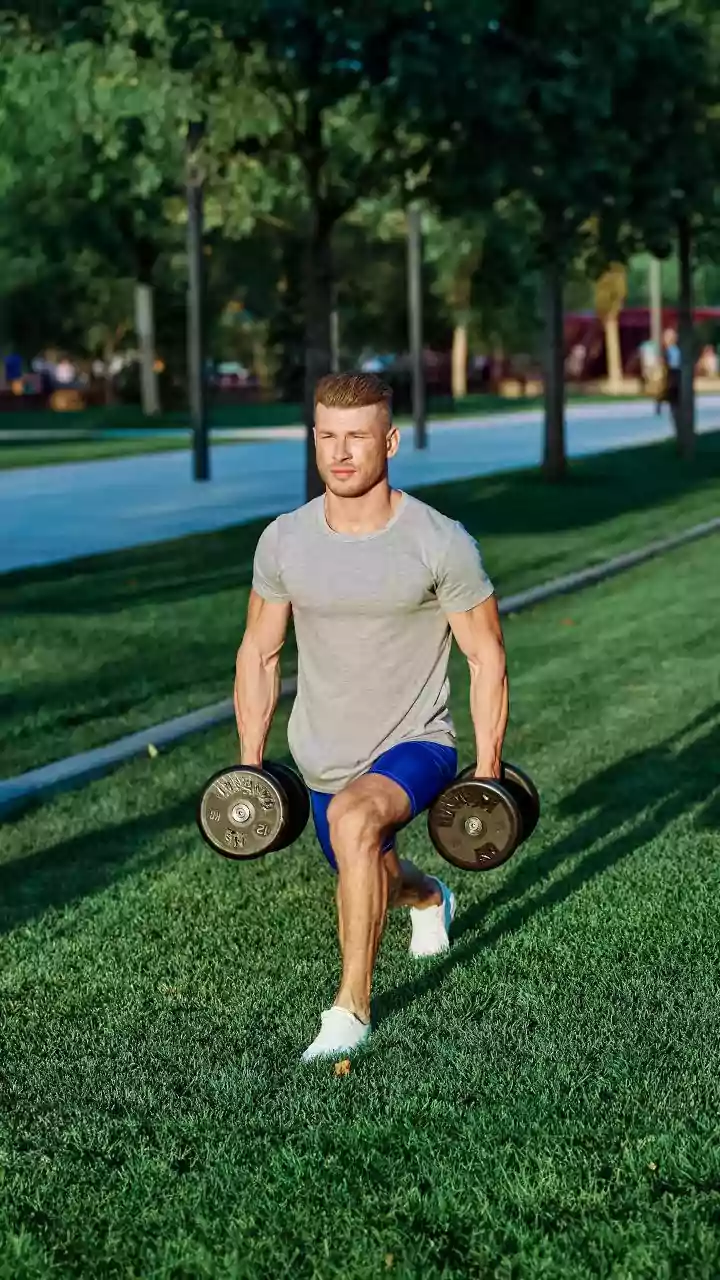
Here are five simple yet effective exercises to start your journey: 1. Squats: Stand with feet shoulder-width apart and lower your hips as if sitting in a chair, keeping your chest up. Start by squatting onto an actual chair to master the form. 2. Knee Push-ups: This variation builds upper body strength safely. Start in a plank position but with your knees on the floor, keeping a straight line from your head to your knees as you lower your chest. 3. Glute Bridges: Lie on your back with knees bent and feet flat on the floor. Squeeze your glutes to lift your hips off the ground until your body forms a straight line from shoulders to knees. 4. Plank: Hold a push-up position (on your forearms for a common variation), keeping your body in a straight, rigid line. This is a fantastic exercise for core strength. 5. Lunges: Step forward with one leg and lower your hips until both knees are bent at a 90-degree angle. Push back to the starting position and alternate legs.