



The End of the Showroom Look
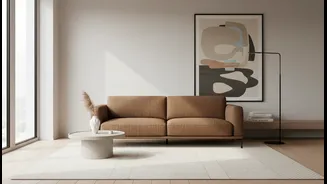
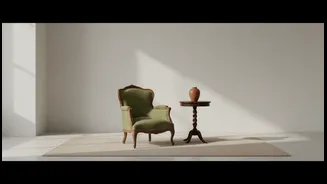
The allure of the matching furniture set was always its simplicity. It was a one-stop solution to decorating, promising a cohesive look without the exhausting effort of piecing a room together. Furniture stores made it easy, arranging pristine vignettes
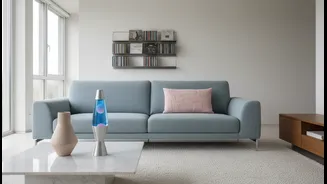
that you could purchase in a single transaction. However, this convenience often came at the cost of character. Rooms could feel generic, lacking the unique stamp of the people who lived in them. As design trends evolve, homeowners and designers alike are pointing out that these perfectly coordinated spaces can feel impersonal, staged, and even a bit boring. The result was often a room that looked beautiful but felt disconnected from the life lived within it.
The Rise of the Collected Home
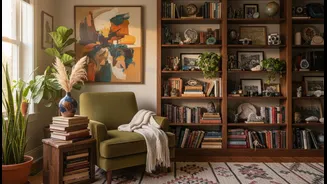
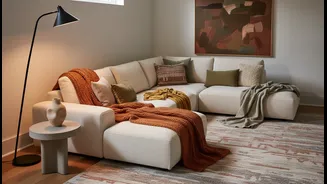
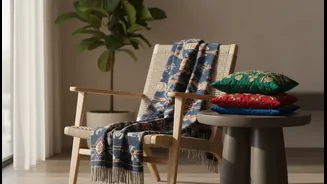
Enter the 'collected home'—an aesthetic that celebrates individuality, layers, and evolution. This approach isn't about a specific style, like minimalism or maximalism, but rather a philosophy. It's the idea that a home should tell a story, reflecting the owner's life, travels, and personal tastes. Instead of a room that is 'finished' in a weekend, the collected home is built slowly, piece by meaningful piece. It's a space that features a mix of old and new, high-end and budget finds, and objects that hold sentimental value. The goal isn't perfection; it's character, warmth, and authenticity.
More Than a Style, It's a Mindset
Several cultural shifts are driving this trend. A growing desire for individuality in an era of mass production is key; people want spaces that are uniquely theirs, not a copy of a showroom floor. There's also a significant move towards sustainability in interior design. This includes rejecting 'fast furniture' in favor of high-quality, durable pieces, and a renewed appreciation for vintage and upcycled items. This approach reduces waste and gives homes a sense of history. By choosing items over time, consumers make more intentional decisions, investing in things they truly love rather than just filling a space.
How to Cultivate a Collected Look
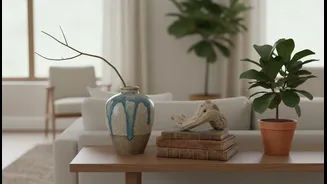
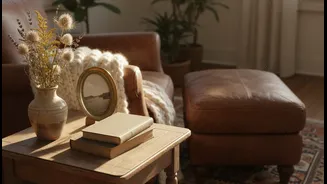
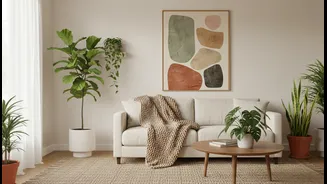
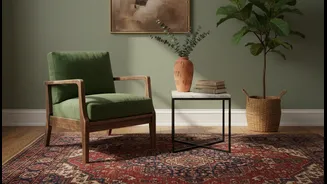
Creating a room that feels built over time is a patient process. The key is to start with foundational pieces you love, even if the room feels sparse at first. Don't be afraid to mix different styles, eras, and materials. A modern sofa can look fantastic next to a vintage wooden trunk, and different metal finishes can coexist harmoniously in the same room. Layer textures to add depth and warmth—think woods, linens, velvets, and stone. Most importantly, embrace things that have personal meaning, whether it's a piece of art, a family heirloom, or a souvenir from a memorable trip. The most interesting rooms are those that reflect a life fully lived.
The Art of Imperfect Harmony
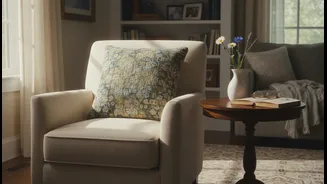
The beauty of a collected home is that it's never truly finished; it evolves as you do. It allows for flexibility and change, creating a space that feels dynamic and alive. This approach frees you from the pressure of adhering to strict design rules or fleeting trends. Instead of aiming for a flawless, static display, the focus shifts to creating a comfortable, inviting, and deeply personal environment. It’s about achieving balance, not rigid uniformity. A collected home feels lived-in, not just looked at, and that intentional imperfection is what creates its unique charm and enduring appeal.