





The Resurgence of the Overseas Buyer
For years, NRI property purchases were often linked to emotion—a desire to own a home in their country of origin. Today, that sentiment is backed by strategic financial thinking. Industry reports show that NRIs are becoming one of the most influential
buyer segments, with their share of total real estate investments climbing significantly. In 2025, it was estimated that NRIs would contribute nearly 20% of India's total real estate investments. This influx of capital is not just a fleeting trend; it represents a structural change where overseas buyers are actively shaping project designs, marketing strategies, and even the types of amenities offered by developers. In the luxury segment, particularly in major cities, NRIs now account for nearly a quarter of all transactions in premier projects.
Favourable Economics: Why the Sudden Rush?
Several key economic factors have aligned to make Indian real estate exceptionally attractive for NRIs. Chief among them is the currency advantage. A strong dollar, dirham, or pound against a weaker rupee means NRI purchasing power is significantly amplified, allowing them to afford larger and more premium properties than they could just a few years ago. This financial arbitrage makes luxury homes in India seem more affordable compared to properties in global cities. Beyond currency, India's robust economic growth and the real estate sector's resilience offer compelling returns. While mature markets in the West may offer lower yields, prime Indian cities deliver healthy rental yields of 3–4% and capital appreciation of 7–8% annually, a combination that is hard to match elsewhere.
From Investment to Aspiration: Shifting Motivations
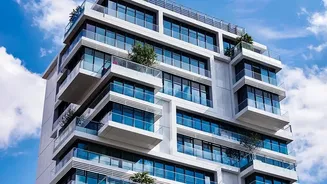
While financial returns are a major driver, the motivation for buying has become more nuanced. For many, it's about more than just an asset; it's about securing a long-term base in India. This could be a future retirement home, a place for aging parents to live comfortably, or a holiday home that keeps them connected to their roots. This has led to a noticeable shift in preferences. NRIs are increasingly seeking premium, well-managed properties in gated communities that offer a global standard of living, security, and modern amenities. Developers have taken note, recalibrating their offerings to include everything from concierge services to seamless online booking platforms and post-possession property management tailored for absentee owners.
Hotspots and Preferences: Where the Money Is Flowing
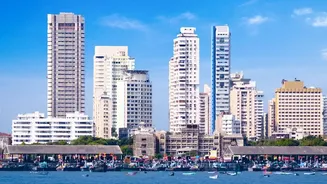
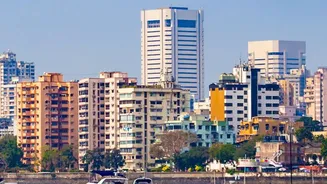
The bulk of NRI investment is concentrated in India's major metropolitan hubs, which are seen as safe bets for long-term growth. Cities like Bengaluru, Mumbai, Pune, Hyderabad, and Delhi-NCR are top favourites due to their strong economic fundamentals, IT and corporate presence, and well-developed infrastructure. In Mumbai, for instance, there is strong demand for luxury properties in established South Mumbai neighbourhoods as well as rapidly developing areas like Thane and Navi Mumbai. Bengaluru remains a top choice for its consistent rental demand from the IT sector, while Hyderabad attracts buyers with its relatively affordable entry prices and strong infrastructure growth. A newer trend is also emerging: growing interest in Tier-II cities like Jaipur, Lucknow, and Coimbatore, which offer lower entry costs and high potential for capital appreciation as infrastructure improves.
The Ripple Effect on the Domestic Market
This wave of NRI demand has a significant ripple effect on the broader market. It fuels the growth of the luxury and premium housing segments, encouraging developers to launch high-end projects with world-class amenities. This, in turn, contributes to urban development and job creation. For domestic buyers, the impact is mixed. On one hand, the increased construction and focus on quality can elevate the overall standard of living. On the other hand, the surge in demand from cash-rich overseas buyers can put upward pressure on property prices in prime localities, potentially making them less accessible for local salaried individuals. This dynamic highlights the growing influence of global capital on local housing trends and affordability.