



The 'Use-First' Philosophy
The concept is brilliantly simple: designate a specific container or area in your refrigerator for produce that needs to be eaten soon. This isn't for your long-lasting potatoes or onions, but for items approaching their expiration or those that spoil
quickly. The goal is to make these items highly visible, reminding you to grab them for your next meal or snack. By creating this designated zone, you prevent food from getting lost in the back of the fridge, ensuring it gets eaten instead of thrown away. It’s a proactive approach to managing your kitchen inventory and cutting down on food waste.
Choosing and Placing Your Box
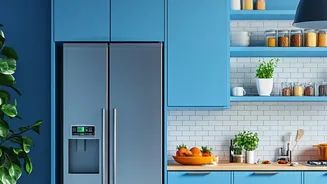
Your 'use-first' box doesn't need to be fancy. A clear, open-top container is ideal because it allows you to see everything at a glance. Repurposed plastic shoeboxes or any appropriately sized bin will work perfectly. The most important rule is placement. Position the box at eye-level on a front shelf. This prime real estate ensures the contents are the first thing you see when you open the refrigerator door, making you far more likely to use them. Avoid placing it in a crisper drawer, as the 'out of sight, out of mind' principle is what we are trying to overcome.
Prioritizing Delicate Produce
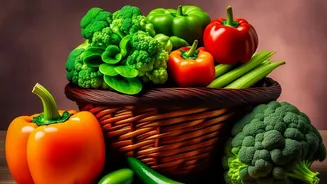
Some vegetables are simply more fragile than others. Leafy greens like spinach and lettuce, fresh herbs, mushrooms, and sweetcorn have a much shorter shelf life than hardy root vegetables. These items should be your top priority for the use-first box. Berries, asparagus, and broccoli also benefit from being front and center. A good habit to adopt is to evaluate your groceries as you unpack them. Anything that you know will wilt or soften within a few days should go directly into the box, signaling that it should be part of your meal plan sooner rather than later.
The Importance of Open Packs
Just as crucial as delicate items are the partially used ones. A half-chopped bell pepper, the rest of a can of corn, a handful of spinach from a large bag, or a few stray mushrooms are common culprits in kitchen waste. Once a package is opened, the contents are more exposed and will degrade faster. These items are perfect candidates for your use-first box. By corralling them in one visible spot, you create an easy-to-grab assortment for your next omelette, stir-fry, or soup. It prevents these valuable odds and ends from drying out or being forgotten.
Making It a Weekly Habit
To make this system work, integrate it into your routine. After every grocery trip, take a few minutes to assess what you bought. Wash and prep items that will make them easier to use later, like rinsing greens or slicing carrots. Place delicate produce and any leftovers from the previous week into the box. Then, as you cook throughout the week, make it a habit to check the box first. See it as your personal 'what's for dinner' inspiration kit. Regularly sweeping the fridge for items nearing their end and adding them to the box also helps maintain the system.
Putting Your Box to Work
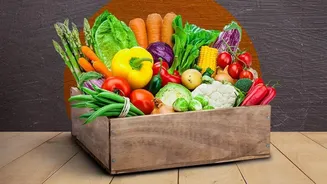
Having a box full of ready-to-use produce is one thing; using it is another. Think of the box as a pre-made medley for quick meals. A collection of chopped vegetables can be turned into a frittata, roasted for a side dish, or tossed into a soup or stew. Leftover greens can be wilted into pasta dishes or blended into smoothies. Even a small assortment of veggies can be the base for a quick fried rice or stir-fry. The key is to see the box not as a collection of leftovers, but as the foundation for your next easy, healthy meal.