



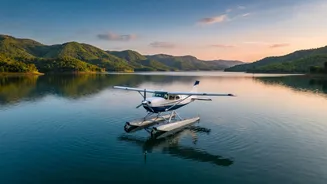
A Vision For Water-Based Travel
The Ude Desh ka Aam Nagrik (UDAN) scheme is the government's flagship program to enhance regional air connectivity and make air travel affordable for the masses. While initially focused on connecting unserved and underserved airports, the scheme has expanded
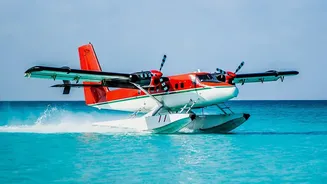
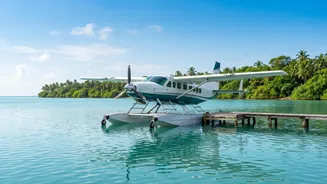
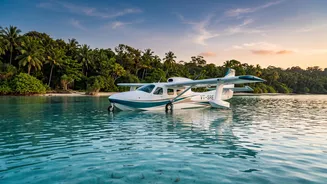
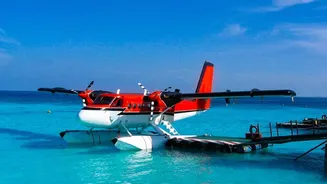
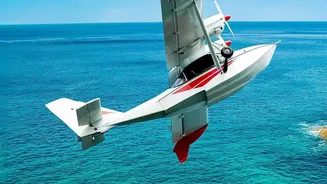
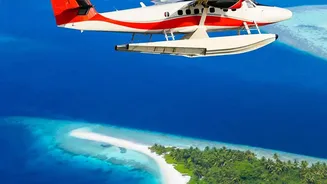
to include helicopters and, most captivatingly, seaplanes. The logic is simple: India has a vast 7,500-kilometre coastline and an extensive network of inland waterways. Seaplanes, which can take off from and land on water, offer a unique solution to connect areas where building a traditional runway is either impossible or impractical. This opens up countless remote islands, backwaters, and lakeside locales to the national travel map.
The Pioneering Test Cases
India's first major modern experiment with commercial seaplanes launched in October 2020, connecting the Sabarmati Riverfront in Ahmedabad to the Statue of Unity in Kevadia, Gujarat. Operated by SpiceJet's subsidiary, SpiceShuttle, the service aimed to cut a four-hour road journey down to about 45 minutes, offering tourists a novel and fast way to reach the iconic statue. However, the service faced significant operational challenges, including high costs and maintenance logistics, which led to its suspension. Despite this, the route served as a valuable, if difficult, proof-of-concept, highlighting both the immense potential and the practical hurdles of seaplane operations in India.
Unlocking the Andaman and Lakshadweep Islands
The true promise of seaplanes lies in connecting India's island territories. In the Andaman and Nicobar Islands, where travel between islands like Port Blair, Havelock (Swaraj Dweep), and Neil (Shaheed Dweep) relies heavily on time-consuming ferries, seaplanes are poised to be a game-changer. New services are being planned to connect various parts of the archipelago, drastically reducing travel time and offering stunning aerial views of the coral reefs and lush islands. Similarly, trial operations have been conducted in Lakshadweep, aiming to connect the mainland city of Kochi with islands like Agatti, Kavaratti, and Kalpeni. This would eliminate the need for long overnight ship journeys, making the pristine atolls more accessible than ever before.
Expanding Across the Mainland
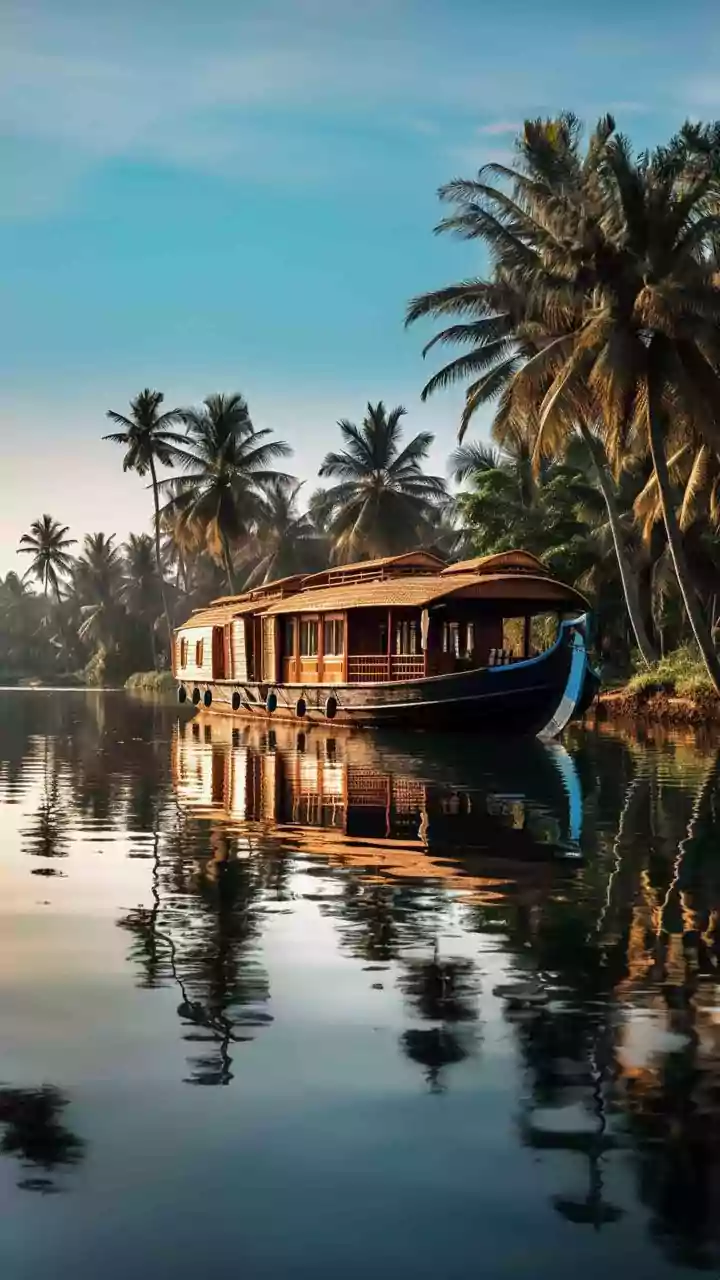
The ambition doesn't stop at the coast. Several states are embracing the potential of water-based aviation. Kerala, with its extensive backwaters and reservoirs, has had 48 seaplane routes approved under the UDAN scheme to connect tourist hotspots like Kumarakom and hill station dams in Munnar. Successful trial flights have already generated significant excitement. Andhra Pradesh is also planning an extensive network to connect religious sites and tourist destinations like Srisailam, Araku, and the Prakasam Barrage in Vijayawada, with the first route expected by 2027. These initiatives aim to not only boost tourism but also provide faster transport options for local residents.
Navigating the Challenges Ahead
Despite the clear benefits, the path to a nationwide seaplane network is not without turbulence. The primary obstacles include high operational costs, the need for specialized maintenance facilities, and a shortage of trained pilots. Operations are highly dependent on weather and sea conditions. Furthermore, building the necessary infrastructure, such as floating waterdromes and jetties, requires significant investment and regulatory coordination. The history of the UDAN scheme itself shows that launching routes is one thing, but sustaining them commercially is another challenge altogether, with many subsidised routes becoming non-operational once support ends.