
A Culinary Evolution
The Indian palate is on an adventure. While Indo-Chinese dishes like Hakka noodles and Gobi Manchurian have long been staples, today’s diner is more curious and globally aware than ever before. Fueled by international travel, social media food bloggers,
and the immense popularity of K-dramas and anime, there is a growing appetite for authentic Asian tastes. This has created the perfect environment for a new culinary trend: the fusion of traditional Indian vegetarian preferences with the diverse flavours of Japan, Korea, Thailand, and Vietnam. It's a movement that goes beyond the old 'Desi Chinese' formula, offering something new yet comfortingly familiar.
The Korean Wave Hits the Veg Menu
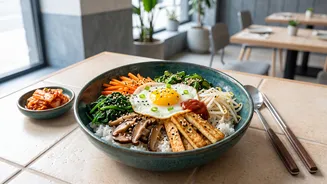
The 'Hallyu' or Korean Wave has brought more than just K-pop and skincare to India; it has ignited a passion for Korean food. Initially seen as meat-heavy, chefs and home cooks are now adapting Korean classics for a vegetarian audience. Dishes like Bibimbap, a vibrant rice bowl, are served with sautéed local vegetables and tofu instead of meat. Kimchi, traditionally made with fish sauce, is being reimagined in vegan versions that deliver the same tangy punch. Even street food favourites like Tteokbokki (spicy rice cakes) and savory pancakes are appearing on cafe menus, satisfying a craving for the bold, spicy, and savoury flavours that resonate so well with Indian tastes.
Japan, Beyond Just Sushi
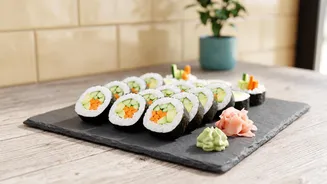
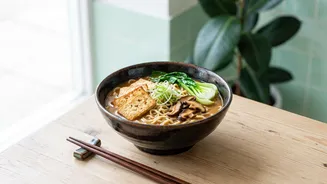
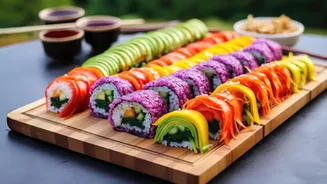
Japanese cuisine's reputation for subtlety and fresh ingredients is also finding a loyal following. While sushi was the entry point for many, the exploration now goes much deeper, especially for vegetarians. Cafés are getting creative, offering thoughtful vegetarian sections that stand on their own. You might find Nigiri made with pickled tomato and cream cheese to mimic the look of tuna, or crispy vegetable tempura that rivals any pakora. Ramen, the soulful noodle soup, is being served with rich, umami-packed vegetable broths. Dishes like Agedashi Tofu (deep-fried tofu in a savoury sauce) and various Donburi (rice bowls) showcase the versatility of vegetarian Japanese cooking.
Innovating with Familiar Ingredients
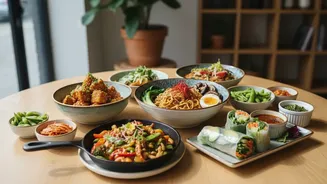
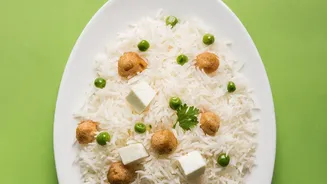
The genius of this trend lies in its intelligent use of ingredients. It’s not about replacing, but about reimagining. Paneer, the undisputed king of Indian vegetarian cooking, might show up in a Korean-inspired spicy stir-fry or as a filling in Japanese-style Gyoza dumplings. Local vegetables like cauliflower, bell peppers, and mushrooms are being used in everything from Thai green curries to the toppings on a Bibimbap bowl. This approach makes unfamiliar dishes more accessible. By grounding exotic flavours with familiar textures and ingredients, these cafés create a dining experience that feels both exciting and reassuring, encouraging diners to step out of their comfort zones.
It's a Vibe, Not Just a Meal
This culinary shift is also about the experience. Modern Indian cafés embracing this trend often feature minimalist, aesthetically pleasing décor perfect for Instagram. They foster a social and exploratory dining atmosphere, where sharing different small plates is encouraged. For a generation of young, urban Indians—particularly millennials and Gen Z—dining out is a social activity. These cafés have become vibrant hubs where friends can gather, explore new tastes together, and participate in a global cultural conversation, one delicious, vegetarian dish at a time.